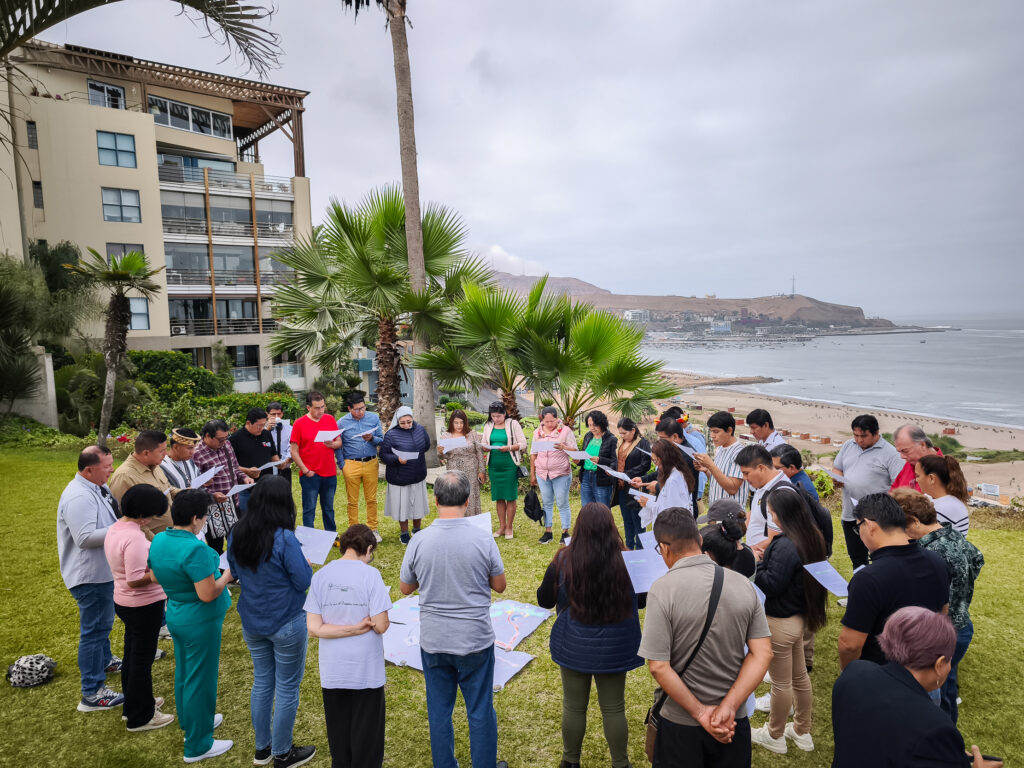
IRI Peru grew and reactivated chapters in Pucallpa, Tingo María, Aucayacu and Huánuco and launched a new chapter in Chachapoyas, bringing together Catholic, evangelical, Bahá’í and civic partners to create new platforms for engagement with authorities in regions facing rising illegal mining and deforestation. At its 4th National Meeting of Local Chapters, IRI Peru convened a national-scale gathering of representatives from its local and regional chapter network, alongside Indigenous and civil-society partners, Amazon journalists and the national team, to take stock of Peru’s governance crisis and the expansion of illegal economies, and to set shared 2026 priorities focused on awareness, training and civic participation in the 2026 elections. Strategically, the meeting functions as a coordination hub – it aligns messages and campaign tools across diverse territories, strengthens peer-to-peer learning between front-line regions, and converts dispersed local efforts into a more unified national presence capable of influencing public debate, media narratives and electoral accountability.
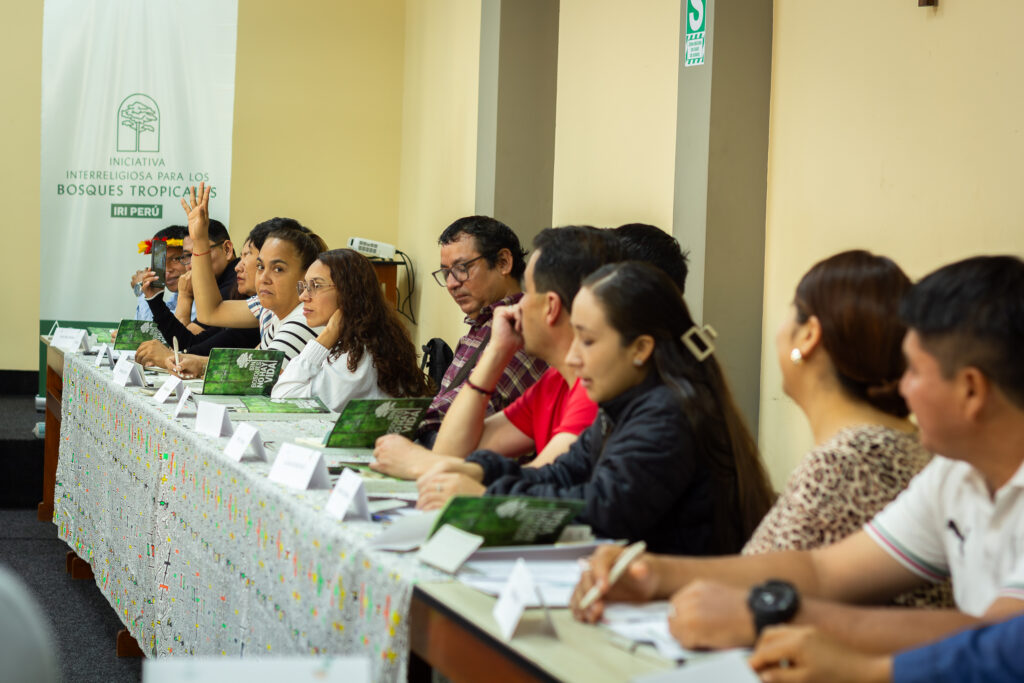
The agenda named illegal gold mining (estimated at US$12 billion per year) as a major driver of deforestation and a threat to institutions and community wellbeing, and equipped chapters with analytical tools on forest loss and risks to defenders, so local leaders can translate national-level diagnosis into concrete regional workplans and candidate-facing demands. IRI Peru also launched IRI Chulucanas in Piura to respond to rapid loss of seasonally dry tropical forests (about 17,000 hectares in three years) driven by urban expansion, agricultural pressure, logging for charcoal and firewood, and growing illegal economies. The launch convened 120 leaders across multiple faith traditions and institutions, gained visibility through diocesan channels and local radio, and initiated early dialogue on engaging authorities.