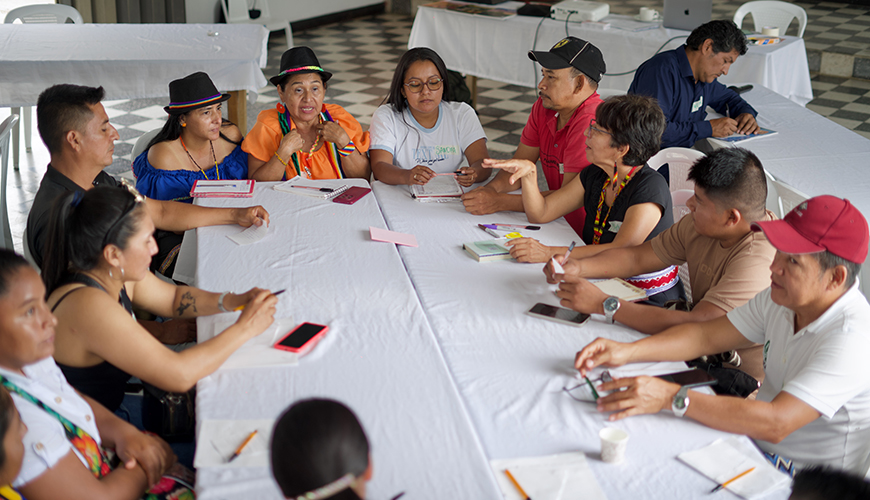
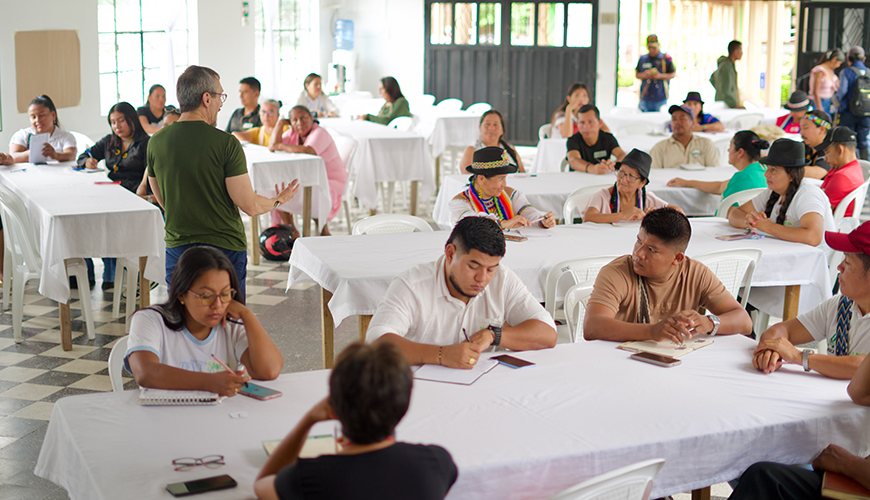
The Interreligious Initiative for Tropical Forests (IRI-Colombia) and the Etnollano Foundation formalized a strategic alliance aimed at strengthening the self-government of indigenous peoples in Putumayo.
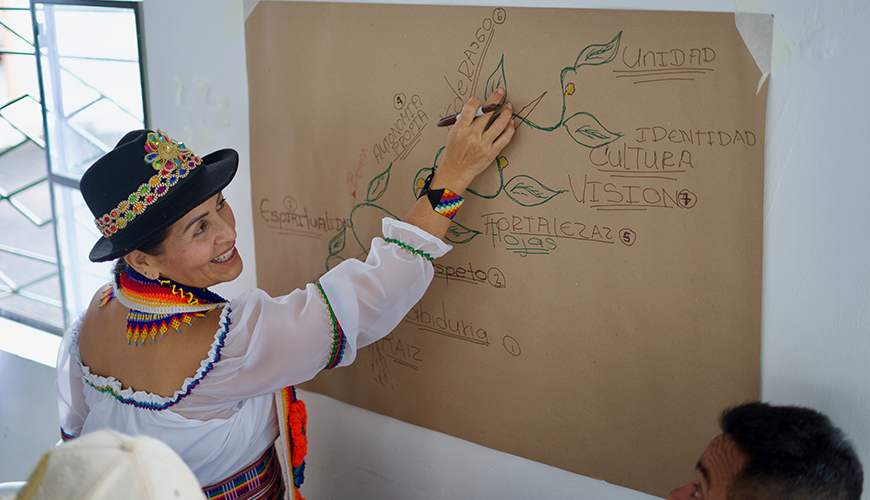
This agreement, consolidated after a key meeting on February 19 in Bogotá, seeks to transform the pedagogical lessons of the training process with IRI’s local chapters in Villagarzón – held on November 13, 2025 – into a long-term political and organizational model, focused on administrative autonomy and the protection of the Amazon biome.
The main focus of this union is to capitalize on previous achievements to project an indigenous governance that is capable of curbing deforestation and restoring the region’s water and biodiverse connectivity.
The work plan is structured in strategic components that range from the generation of mutual trust and the mapping of biocultural connectivity, to technical strengthening for the defense of the territory against threats such as mining. This last point is vital, as it seeks to provide communities with tools for the defense of the territory against extractive activities that violate their autonomy.
Indigenous territories as corridors of life
A differentiating element of this union is its focus on institutional articulation. The alliance aims for mayors and regional authorities to recognize indigenous territories not only as reserve spaces, but as essential ecological corridors for the connectivity of the biome.
By linking spirituality and ancestral knowledge with legal instruments of surveillance and control, IRI-Colombia and Etnollano are committed to the construction of a traditional justice model. This roadmap is part of the creation and strengthening of indigenous territorial entities, ensuring that the leadership of indigenous peoples is the fundamental pillar for climate resilience and the integrity of the Amazon rainforest.
Read the full February edition of the IRIboletín here.