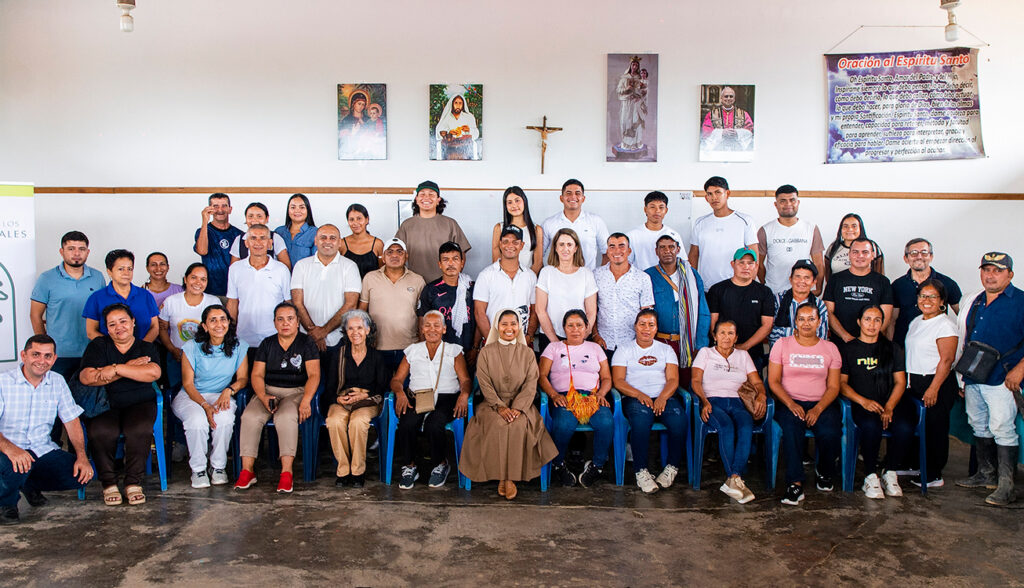
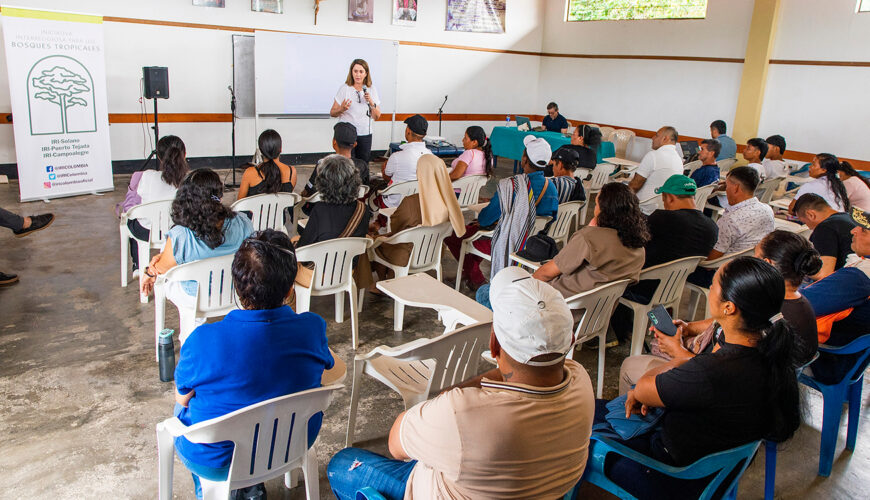
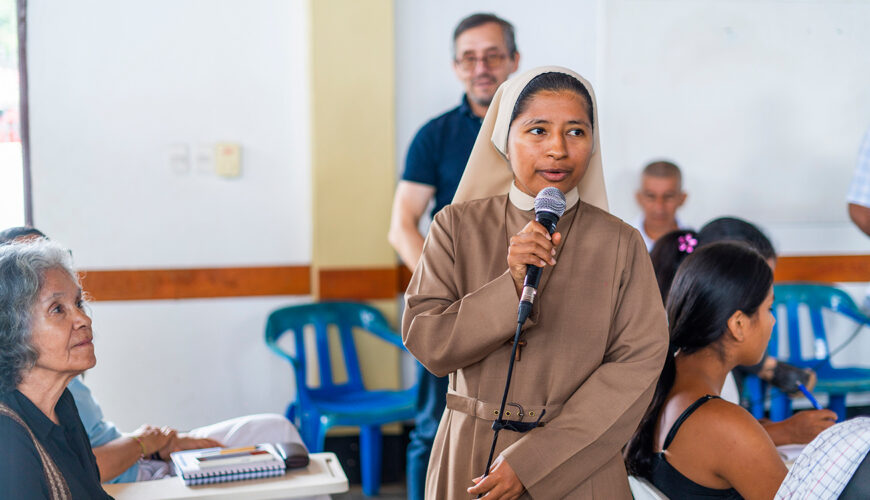
IRI-Colombia kicked off the first training cycle of 2026 with the training of the local chapters IRI- Solano, IRI-Puerto Tejada, and IRI-Campoalegre, located in the department of Caquetá.
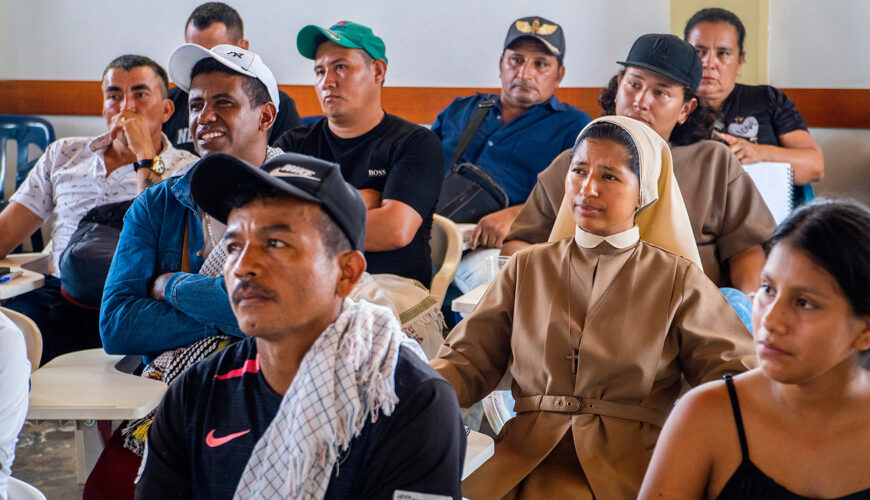
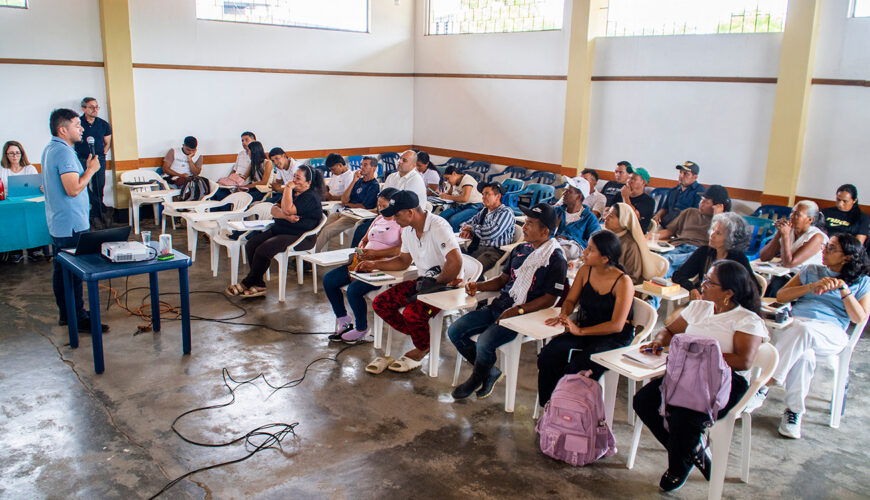
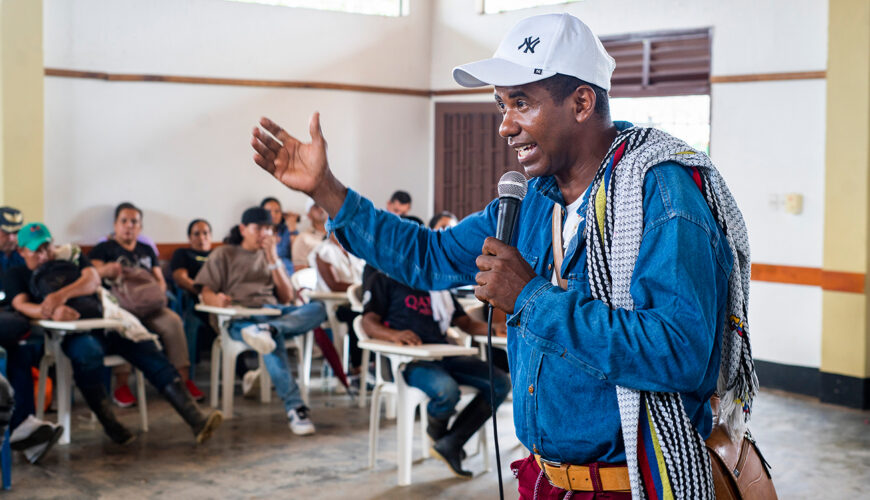
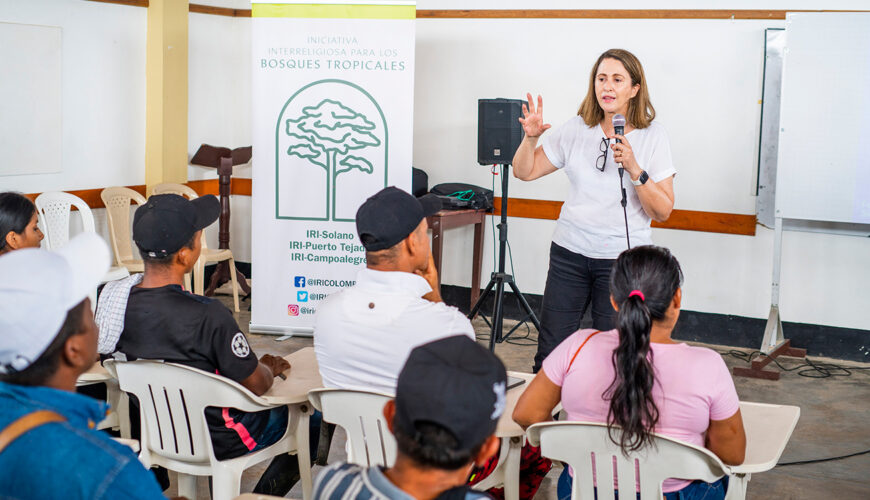
The power of agroforestry to protect and restore the Amazon, the ethical and spiritual dimension of water, and the great biological and cultural value of Chiribiquete were the focal points of this new session, held on March 24 in the municipality of Solano, which was attended by 50 religious and community leaders, as well as council members and young people from the region.
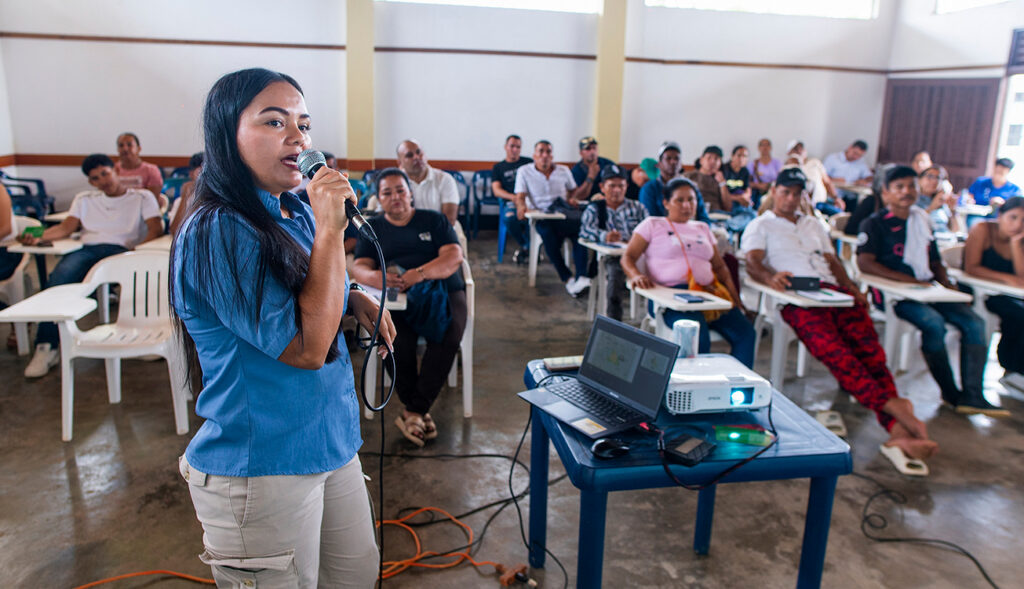
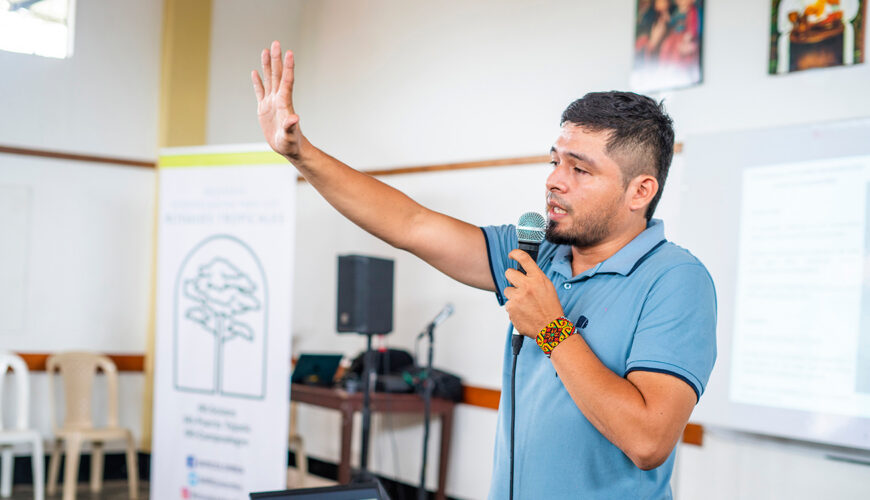
“Within this common home, we find an element that is sacred to all the world’s cultures: water. In many indigenous peoples, such as the Nasa or the Misak, this element is at the origin, in the creation myth,” explained María Esperanza Córdoba, a member of the Assumption Parish in Campoalegre. During her presentation, the lay missionary of La Consolata reflected on the sacredness of this vital liquid and the spiritual dimension of the Amazon as a source of ‘living’ water.
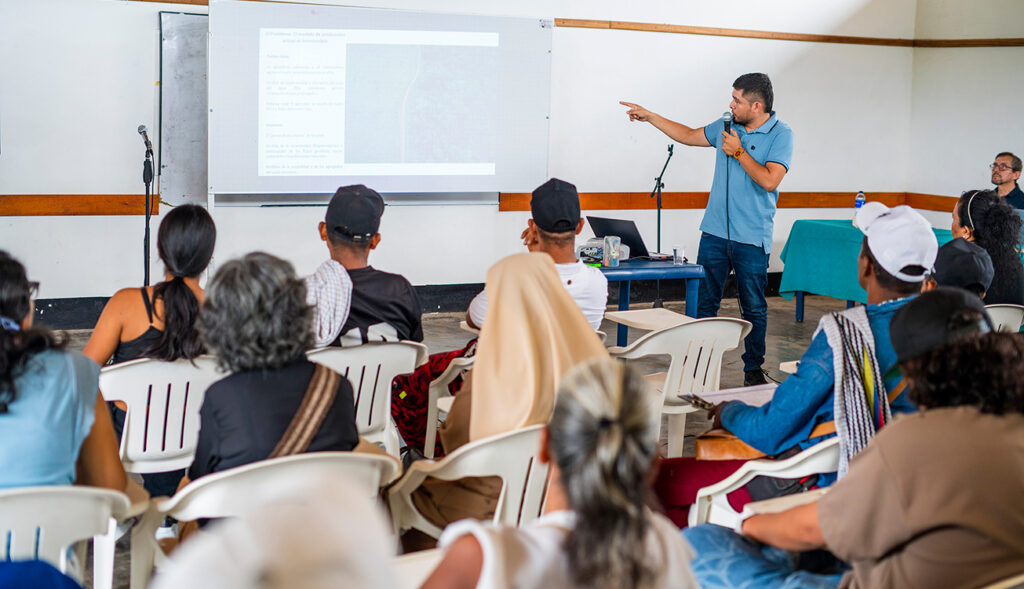
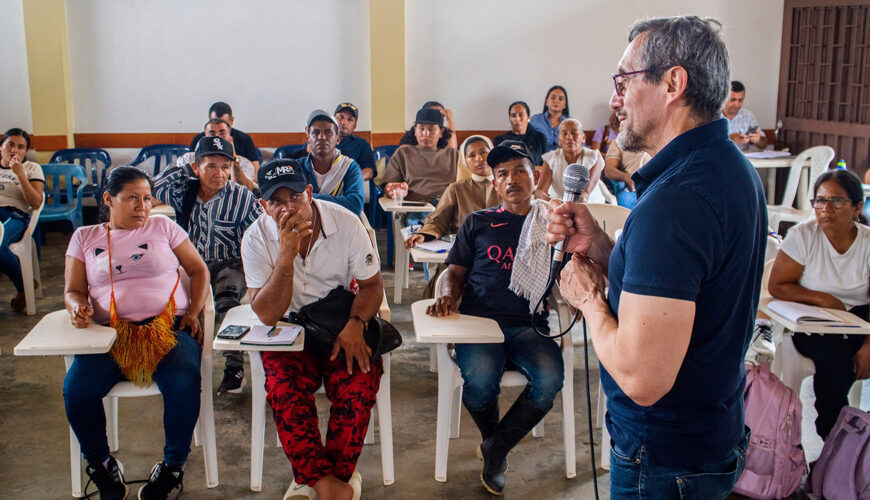
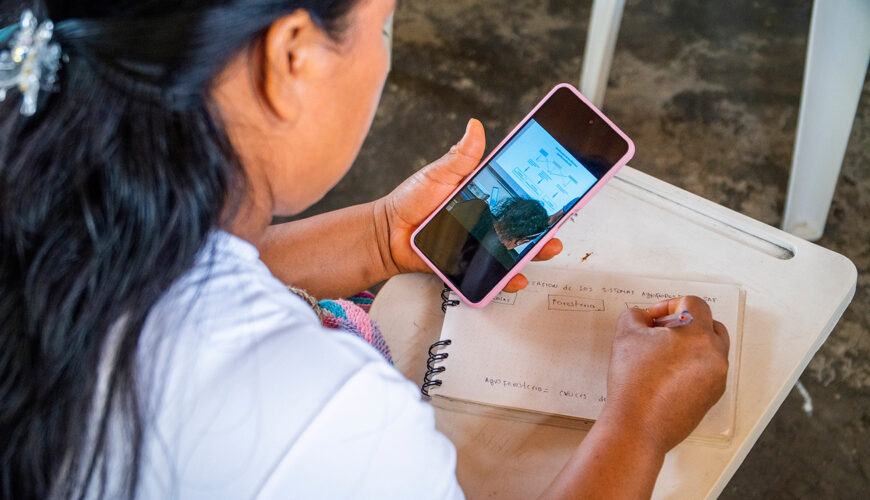
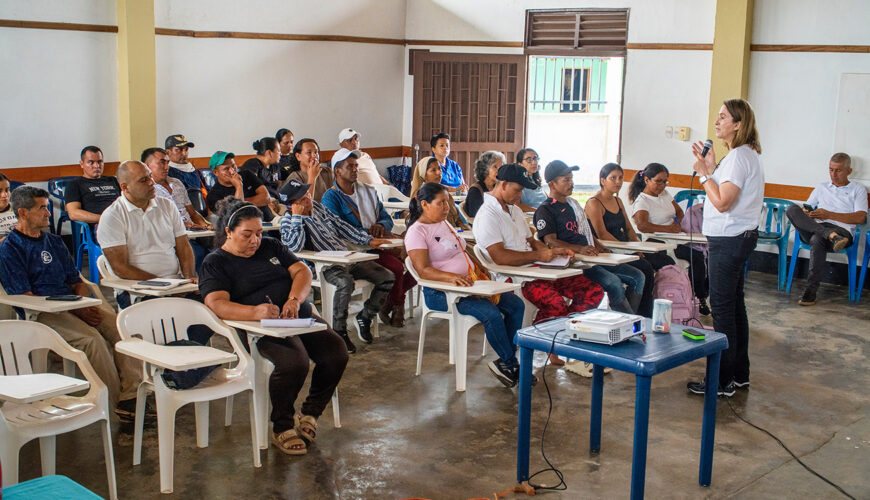
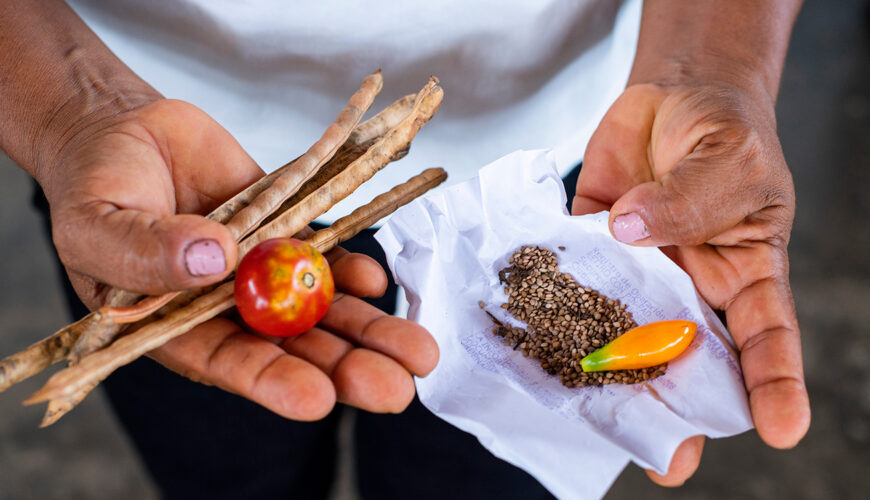
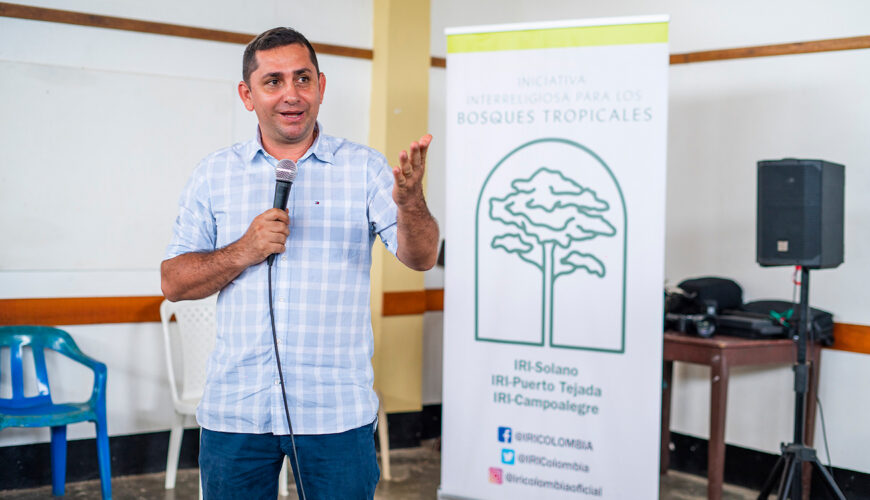
Later, in a workshop led by Mario Angulo González, members of the local IRI chapters in Solano learned about agroforestry, a sustainable production alternative whose main purpose is the management and conservation of natural resources—water, soil, and vegetation. The agroecological engineer from the University of the Amazon addressed topics ranging from the impacts of soil degradation and habitat fragmentation to the classification of agroforestry systems and the main challenges of this sustainable land management system.
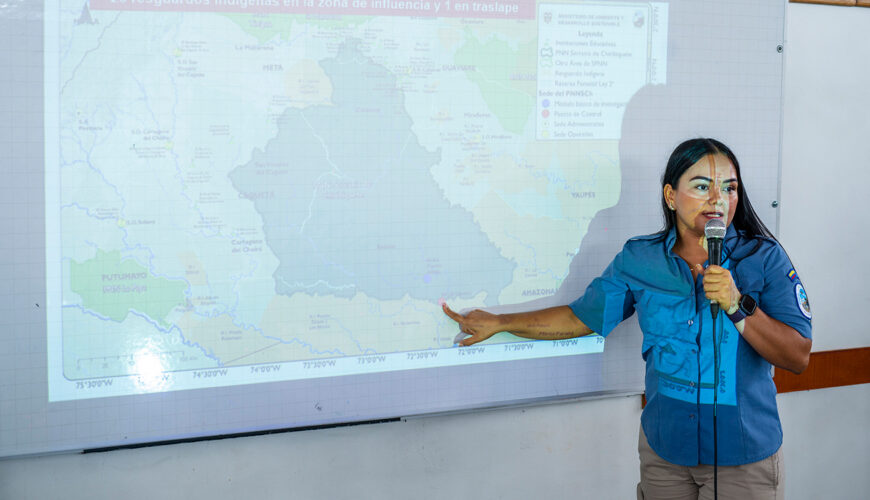
The educational session concluded with a presentation by Yenny Almario, a specialist from the Serranía del Chiribiquete National Natural Park, designated by UNESCO as a Natural and Cultural World Heritage Site.
Almario discussed the biological and ecological richness of this important protected area and its central role in the ecosystem connectivity of the Amazon biome, water regulation, climate change mitigation, and curbing deforestation in the Colombian Amazon.
He also highlighted the cultural significance of Chiribiquete, which has played a central role in the cultural identity and worldview of numerous indigenous peoples in the region, from the arrival of the first human groups in the Amazon to the present day. “The pictorial and rock art heritage discovered in this national park consists of more than fifty enormous murals, with over 70,000 pictorial representations, some of which may be thousands of years old,” he noted.
Training for Action: The Heart of IRI-Colombia’s Strategy
Through the work of its local chapters, IRI-Colombia has highlighted the enormous capacity for social mobilization and ethical training among religious and spiritual leaders, who are key actors in driving cultural and productive changes that contribute to the protection of Amazonian forests and the well- being of communities.
In this context, strengthening the capacities of rural communities and their social and spiritual leaders is a fundamental strategy for promoting development models compatible with the conservation of Amazonian ecosystems.
For IRI-Colombia, this capacity-building is not limited to the transfer of technical knowledge but integrates four complementary dimensions: science, ethics and spirituality, community action, and productive transformation. The latter involves promoting sustainable agricultural models that improve the rural economy without destroying the forest.
With this new cycle, the Interfaith Initiative for Tropical Forests is advancing in the capacity-building of religious and community leaders, so that they may become active guardians of the Amazonian tropical forests.
Read the full issue of the IRIboletin here (in Spanish).
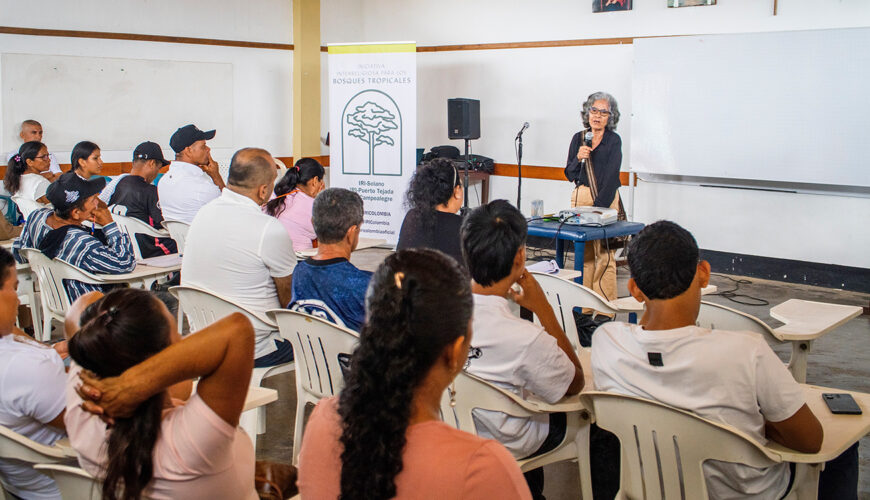
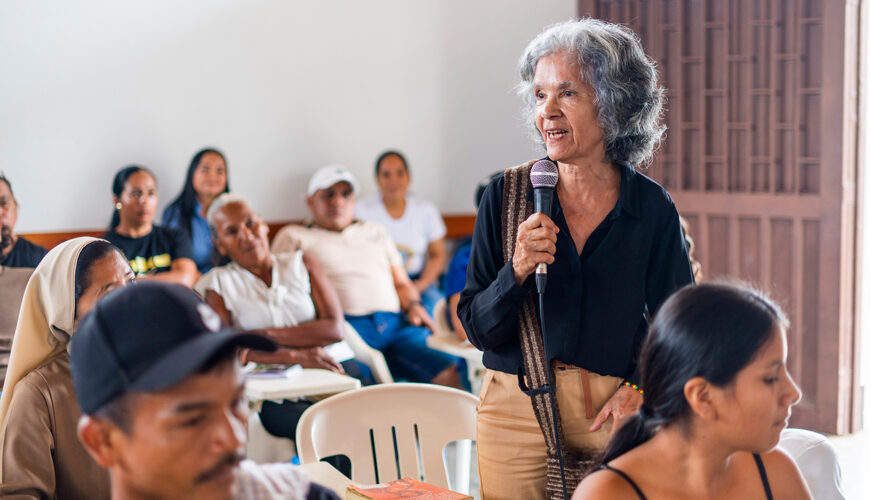
“Today, in the light of God’s word, we know that we are sitting on the edge of a well of living water. And that well, that source, that spring of living water is the Amazon,” María Esperanza Córdoba, lay missionary of La Consolata.