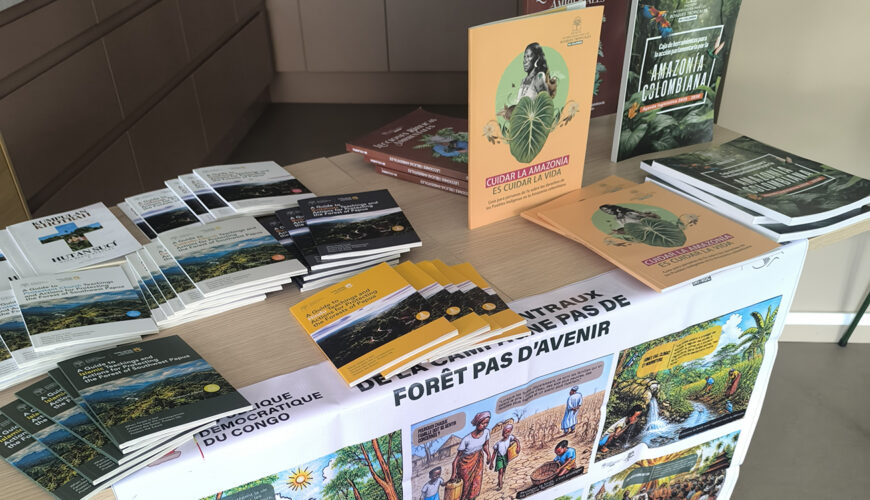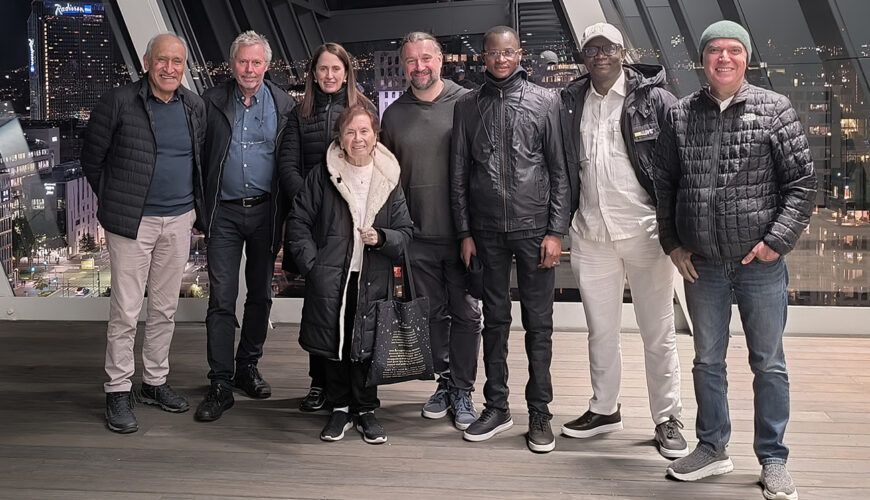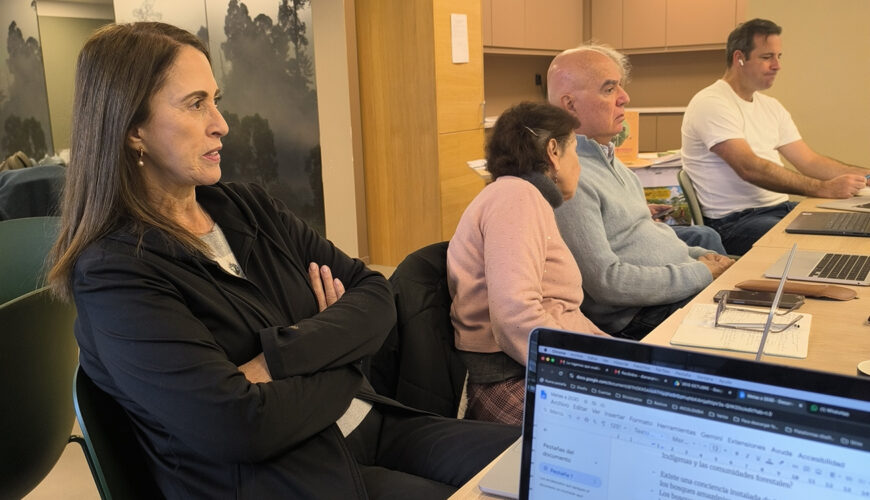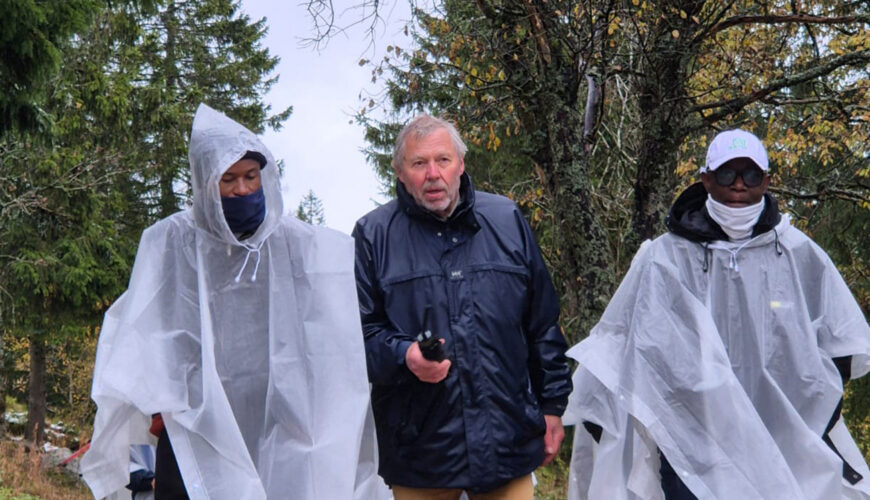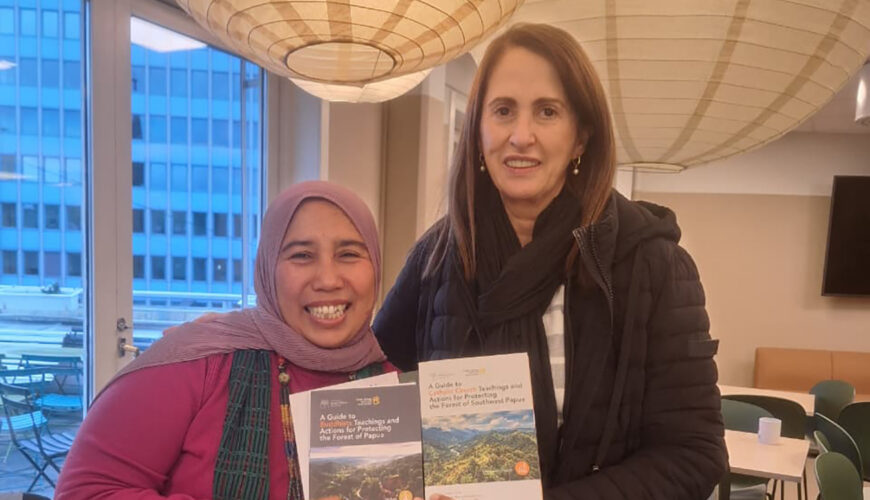
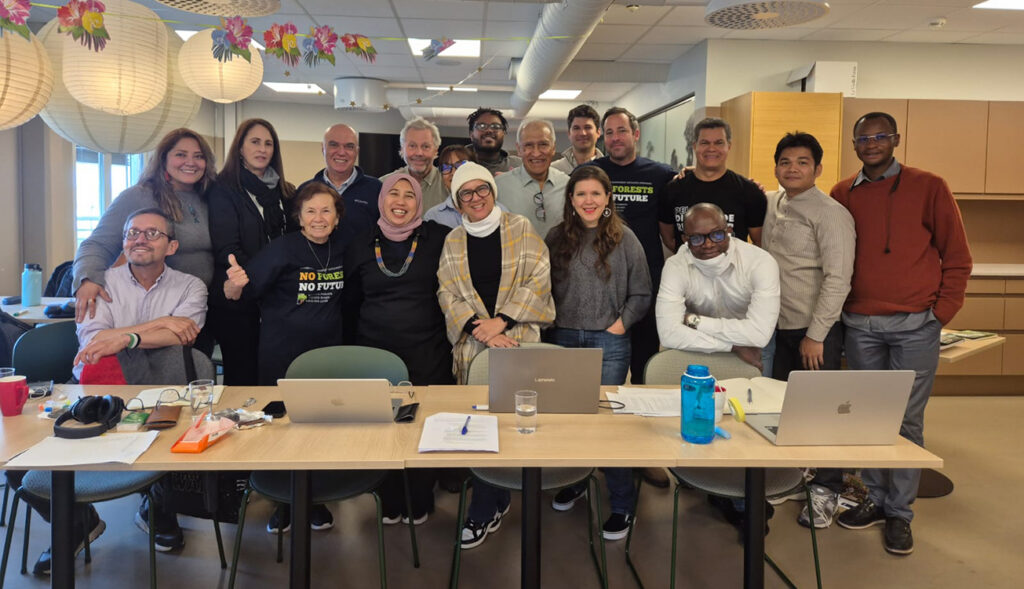
IRI-Colombia participated in the third Learning Exchange, organized by the Interfaith Rainforest Initiative (IRI).
The meeting, held October 7–14 in Oslo, Norway, brought together the global IRI team, representatives from Rainforest Foundation Norway, the directors of IRI’s national programs in Brazil, Colombia, Indonesia, Peru, and the Democratic Republic of the Congo, as well as key members of each of these teams.
The IRI Learning Exchange has been held for more than six years and is designed as a strategic forum where each of the national program teams presents its program’s approach and shares best practices, relevant experiences, and key challenges. In this edition, one of the central themes was the strategies employed by the national programs to identify influential religious leaders and institutions, bring them into the Initiative, and consolidate permanent national networks for action in support of the world’s tropical forests and the defense of indigenous peoples’ rights.
The purpose of these meetings is to better understand the current trajectory of each national program and strengthen their strategies for mobilizing religious leaders and institutions; compare different experiences to determine which are most effective; share practical tools, contacts, and lessons learned; and identify support needs.
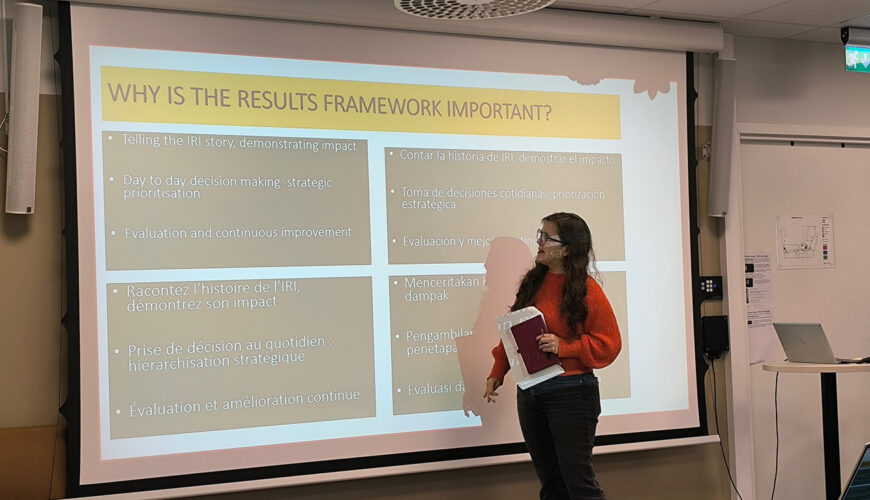
During the first session, the teams from IRI’s five national programs reflected on their priorities for Phase 3—which is currently underway—as well as the most promising opportunities and the main obstacles. They also shared their most significant results and the area of work with the greatest potential for growth.
Throughout the subsequent sessions, participants addressed the main lines of action for the various programs in the areas of training, outreach, local chapters, advocacy, and communications.
IRI-Colombia presented its advocacy and communications strategies. These have enabled the organization to develop successful initiatives—such as the one carried out with members of Congress, which culminated in the creation of the Ad Hoc Commission for the Protection of the Amazon—and to implement effective outreach campaigns to continually expand the reach of the Initiative’s messages, such as “Without forests, there is no future.”
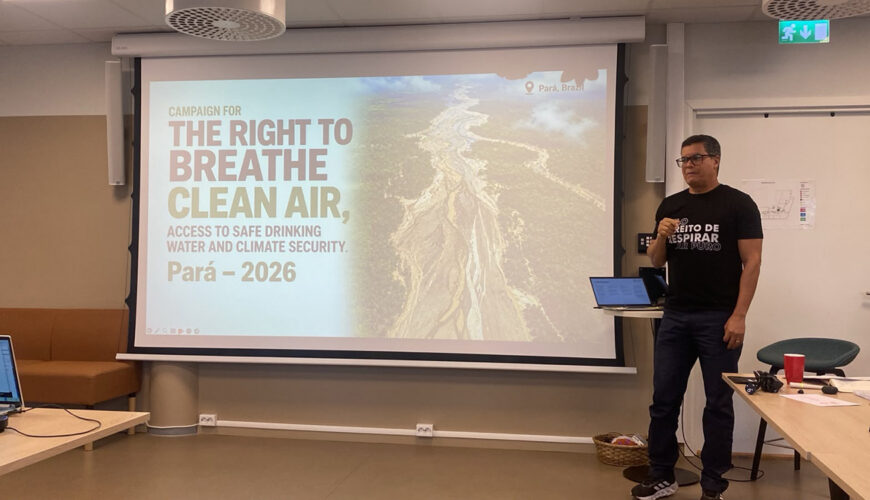
IRI-Brazil, for its part, presented the process of conceptualizing and implementing the communications campaign “For the Right to Breathe Clean Air, Access to Safe Drinking Water, and Climate Security.” In turn, the IRI-Peru team explained its advocacy strategy, which has enabled it to build a parliamentary bloc in support of the Amazon, while IRI-Indonesia shared its experience in developing educational tools. Finally, IRI-Congo discussed the achievements and lessons learned from its strategy for engaging with its advisory board.
Similarly, participants had the opportunity to delve deeper into the lines of work developed by the various national teams, address concerns, and explore the possibility of receiving guidance with the aim of implementing some of the processes that have proven successful.
“We return to Colombia with deep gratitude for this exchange of learning and for the opportunity to share with our colleagues a conviction that gives meaning to our work: faith can mobilize the awareness, leadership, and collective action we need to protect the forests and the life they harbor,” said Blanca Lucía Echeverry, director of IRI-Colombia.
The knowledge, tools, and new connections forged during this meeting will now be brought back to each region to enrich the work of the national programs. This latest edition of the Learning Exchange reaffirmed that, although each country faces unique challenges, IRI’s national teams share a common conviction: the protection of tropical forests requires committed communities, leaders capable of mobilizing support, and partnerships that transform local experiences into collective action.
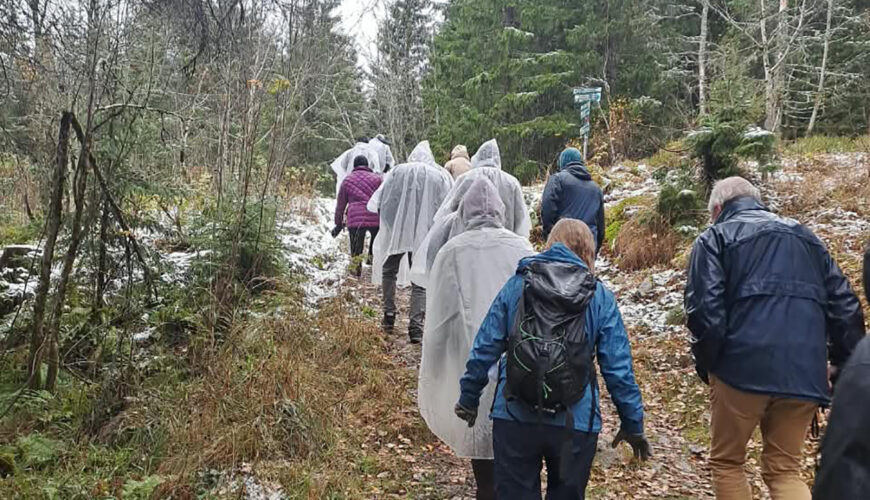
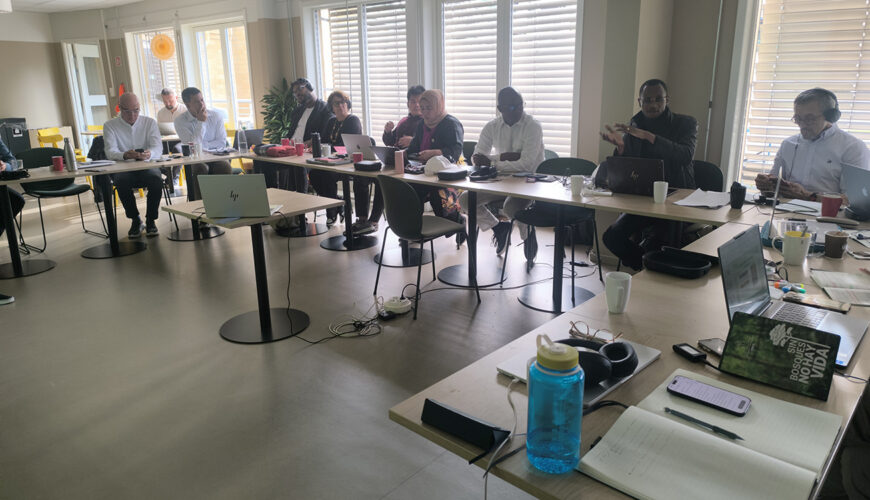
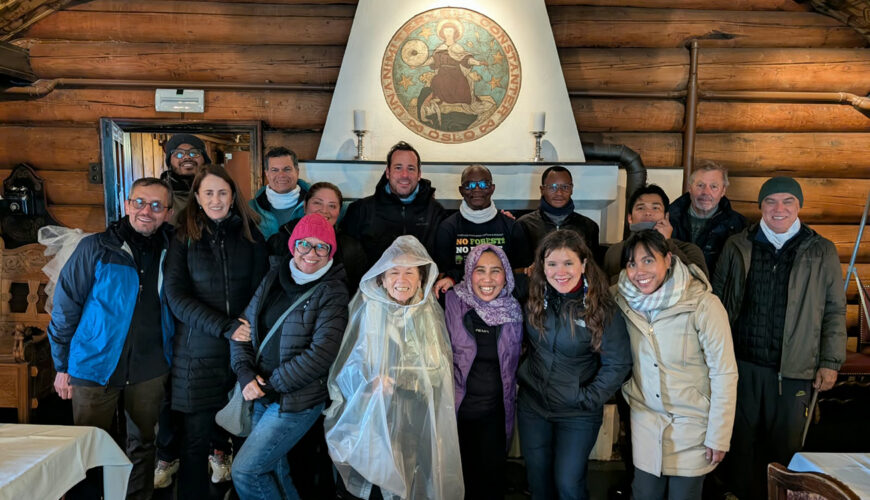 For seven days, the teams from IRI’s five national programs met in Oslo, along with members of the global team and Rainforest Foundation Norway.