The stability of Colombia’s business sector depends on a natural balance that is currently under threat. IRI-Colombia and the Bogotá Chamber of Commerce hosted the webinar “Amazonian Water Risk and Business Sustainability,” a strategic meeting with the private sector designed to analyze how the forest crisis in the Amazon threatens the operational and financial stability of companies in the Andean region.
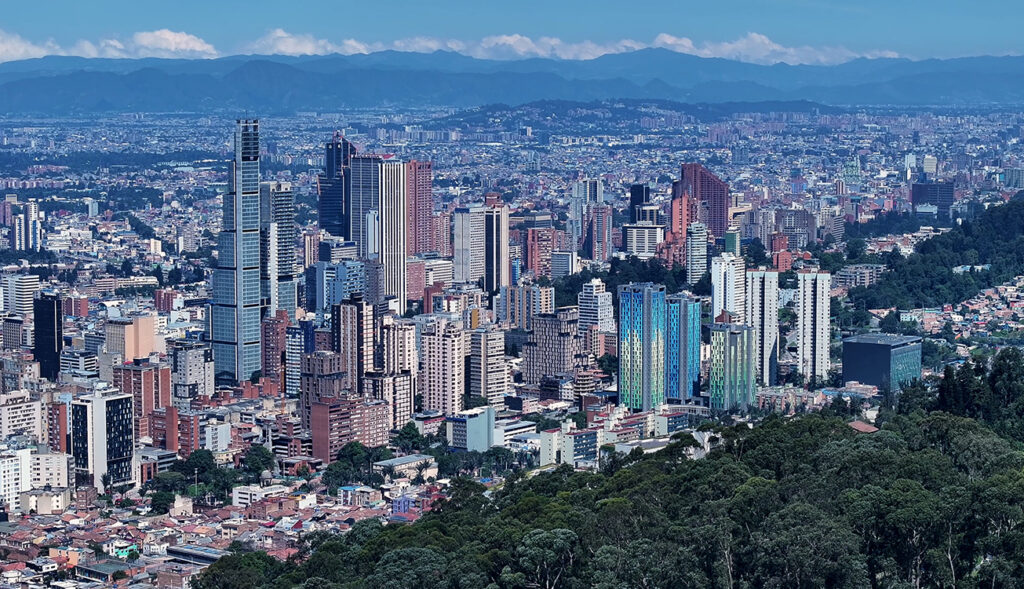
For an entire year, nearly eight million people and some 500,000 businesses in Bogotá were affected by water rationing. The shortage was caused by a combination of the El Niño phenomenon, rainfall deficits, and climate change, which led to a drastic reduction in the moisture that feeds the Chingaza System, including that originating from the Amazon.
The flow of moisture between the Amazon and Andean regions, as well as the impact of the Amazon forest crisis on the private sector, were the focal points of the webinar “Amazonian Water Risk and Business Sustainability.”
The virtual seminar, organized by the Interfaith Initiative for Tropical Forests on December 12, 2025, as part of a strategic partnership with the Bogotá Chamber of Commerce, brought together business leaders from the Colombian capital to reflect, alongside experts, on a reality that transcends the environmental: the health of the Amazon biome is the foundation of the country’s economic security.
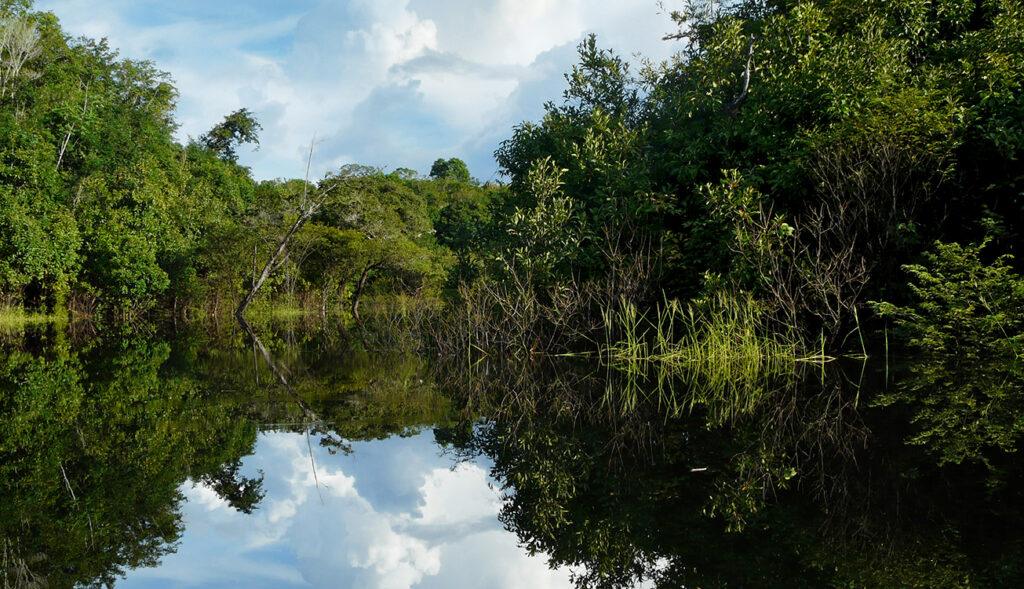
Throughout the presentations, the speakers mapped out a landscape in which the Amazon, the Andes, and cities are connected by a single water system. A network that, when disrupted by deforestation, alters not only natural landscapes but also the material conditions of production, energy, and urban life.
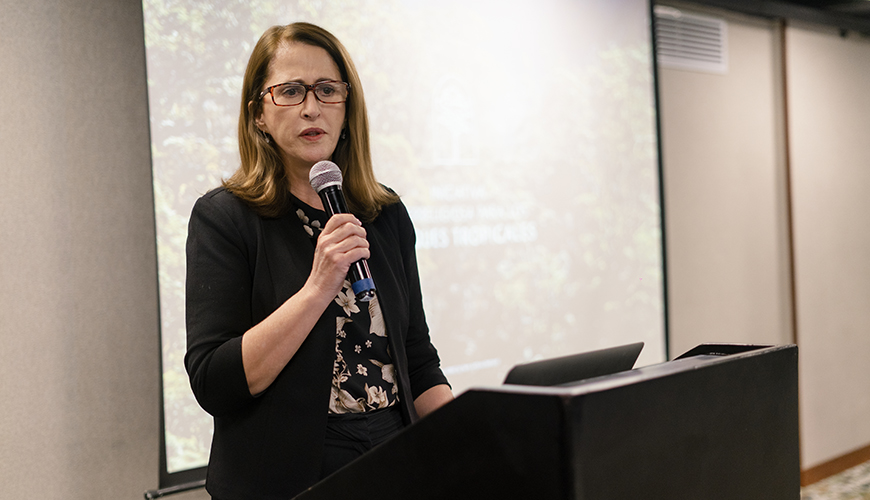
“The Amazon is in every raindrop that waters crops, in every glass of water we drink, and in every kilowatt of energy that lights homes and powers factories and industries,” emphasized Blanca Lucía Echeverry.
The director of IRI-Colombia was tasked with launching this educational initiative, created with the aim of bridging the gap between the private sector and the Amazon, and raising awareness about the vital interdependence between the Amazonian and Andean regions—an interdependence often overlooked in balance sheets.
In addition to being a matter of ethics and social responsibility—the lawyer and political scientist emphasized—protecting the Amazonian rainforests is a survival strategy to ensure the sustainability and competitiveness of Colombian companies in an increasingly hostile climate. For this reason, the webinar set clear objectives from the outset: to raise awareness among business leaders about the biophysical connection between their businesses and the Amazon rainforest, to identify the systemic risks that deforestation poses to business productivity, and to mobilize advocacy efforts to protect this strategic asset.
The Tug-of-War Between the Biotic Pump and Productivity
“Regions capable of managing their water well will have competitive advantages,” stated Natalia Acero, one of the speakers at the webinar “Amazonian Water Risk and Business Sustainability.”
During her presentation “Making the Invisible Visible,” the leader of the Integrated Watershed and Water Resource Management team at The Nature Conservancy of Colombia (TNC Colombia) discussed the crucial role forests play in the water cycle. She presented scientific evidence on the dynamics of moisture flows that connect the entire planet and the Amazon’s contributions to the Andean region in this regard; she also addressed the risks facing the business sector as a result of the water crisis.
According to the expert, ecosystems such as tropical forests contribute more than half of the precipitation in the water cycle.
This type of moisture is known as green water. It differs from blue water—surface and groundwater available to humans—because it is stored in the soil or vegetation and returns to the air through evaporation and transpiration, a biophysical process characteristic of Amazonian forests.
All actions, regardless of whether they are driven by economic or social demands, shape land use. In turn, this land use affects water availability, explained Acero.
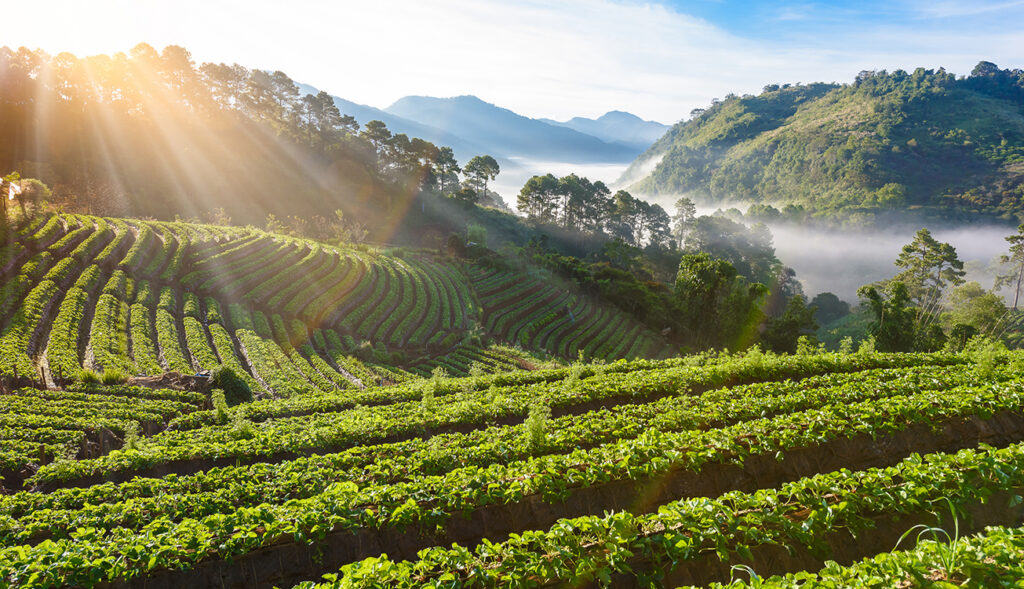
This is the case in the Amazon, where changes to the landscape resulting from deforestation alter the water cycle and create a chain reaction that directly impacts other regions, their inhabitants, and, of course, the private sector.
“Because of the interconnectedness of the hydrological cycle, when deforestation, extensive agriculture, or urban expansion occur in a source area—which generates moisture flows—such as the Amazon, it can alter precipitation patterns in another area,” explained the chemical and environmental engineer, who presented a study conducted by the Julio Garavito School and the Bogotá Water Authority, which analyzed the dynamics of moisture transfer on a global scale.
Finally, Natalia Acero addressed the main risks for companies associated with water risks, ranging from the impact on value chains, production processes and systems, regulations, and, of course, corporate finances. “The most exposed sectors are electricity, tourism, companies related to the dairy sector, and agriculture,” she emphasized.
Translating nature into the language of capital
The webinar shifted to the technical management of these challenges. “The Amazonian water crisis must cease to be viewed as a purely ‘green’ issue or one of marginal activism, and instead be treated as a top-tier financial and operational risk factor,” emphasized Javier Eduardo Mendoza.
During his presentation “When the Territory Joins the Board of Directors: Business Resilience in Times of Water Crisis,” the consultant on sustainability, biodiversity, and climate change warned that global investors today demand absolute transparency regarding nature and climate risks. This requirement forces companies to assess their exposure to climate change to avoid difficulties in attracting capital.
According to the expert—a biologist with a master’s degree in biodiversity management—companies need to adopt resilient strategies that go beyond simple mitigation. He spoke, for example, of the importance of implementing precision irrigation technologies and water-efficient systems, but went further by proposing Nature-Based Solutions (NBS) as the infrastructure of the future. “By investing in Amazonian restoration and conservation, companies not only meet corporate responsibility goals but also safeguard the natural infrastructure that sustains their production,” he added.
Urgency, risk assessment, and the adoption of resilient operational and financial strategies are, according to Mendoza, the pillars of new business management. Those organizations that manage to integrate the protection of the Amazon into their core business will protect the planet while guaranteeing the value of their assets in a market that increasingly penalizes unsustainability.
The water crisis, viewed from this perspective, is a challenge for innovation: whoever manages to secure their water source through conservation will have the competitive advantage in the coming decade.

A paradigm shift: Ethics as an economic driver
The webinar “Amazonian Water Risk and Business Sustainability” not only addressed figures, moisture flow maps, and financial risks but also proposed an ethical paradigm shift that addresses the demands of today’s society.
Drawing on the concept of the economy of the common good, created by Pope Francis, Reverend Loida Sardiñas Iglesias invited business leaders to redefine the soul of their organizations.
This proposal by the Holy Father seeks to transform the economic model from “unbridled capitalism” to one “with a soul.” According to the professor at the Faculty of Theology of the Pontifical Javeriana University, this approach implies an economy of solidarity, communion, and fraternity—one that is inclusive, equitable, and above all, sustainable.
“We need to put people at the center—especially the poor and most vulnerable—along with decent work, care, and the environment,” concluded the priest of the Anglican Episcopal Church, for whom the modern enterprise must transcend the logic of ‘profit maximization’ as the sole driving force to become integrated into the service of life and the common good.
According to this vision, true sustainability occurs when economic activity protects nature rather than depleting it. As Sardiñas noted, there can be no successful businesses in failed societies or collapsed ecosystems. Protecting the Amazon is, under this premise, an investment in the collective heritage that allows the market to continue existing.
“Business must be evaluated in service of the common good and of life,” noted the theologian, linking spiritual ethics with cutting-edge corporate responsibility. Water has no technological substitute, and its ethical management is the litmus test for any leader aspiring to true sustainability, she added.
The webinar “Amazonian Water Risk and Business Sustainability” solidifies the partnership between the Interfaith Initiative for Tropical Forests (IRI-Colombia) and the Bogotá Chamber of Commerce, serving as a vital bridge for the private sector to take a leading role in the defense of the Amazonian tropical forests. This major mission is no longer an optional debate for large corporations; it has become a necessity that permeates the entire business fabric, from small merchants to major industrialists.
Amazonian deforestation is advancing, and the country’s water resilience is being depleted with every hectare of forest lost, putting the health of its economy at risk.
Read the full issue (in Spanish) of the IRIboletín here.
 Reverend Loida Sardiñas, priest of the Anglican Church and professor at the Pontifical Xavierian University.