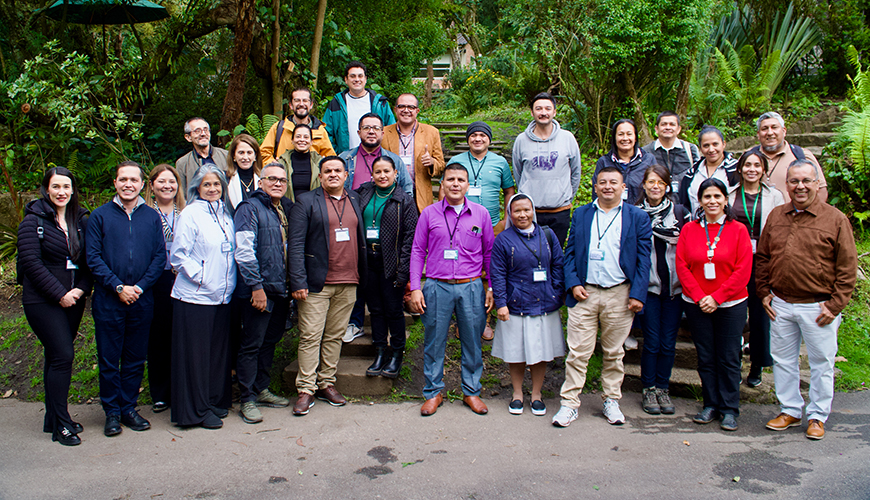

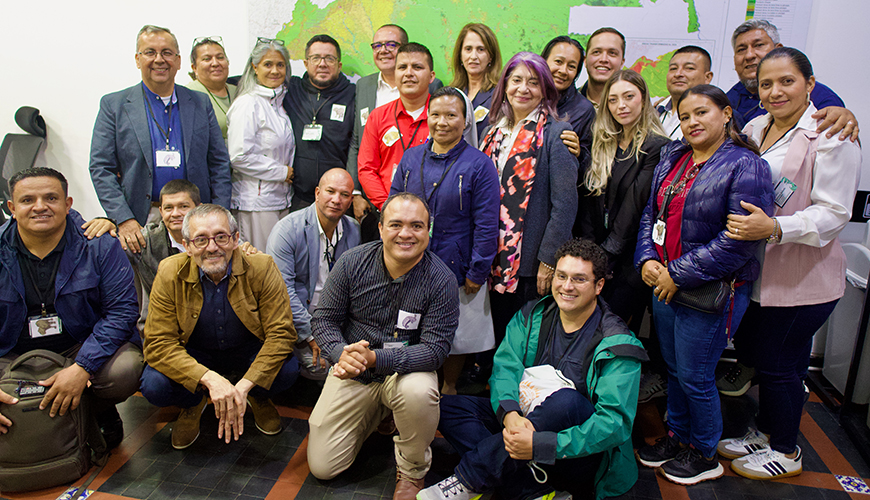
Forty religious leaders from Caquetá, Guaviare, Putumayo and Meta participated in the first Scientific Immersion Day, a space for dialogue between science and faith, created by IRI-Colombia to strengthen the work for the protection of the Amazon forests.
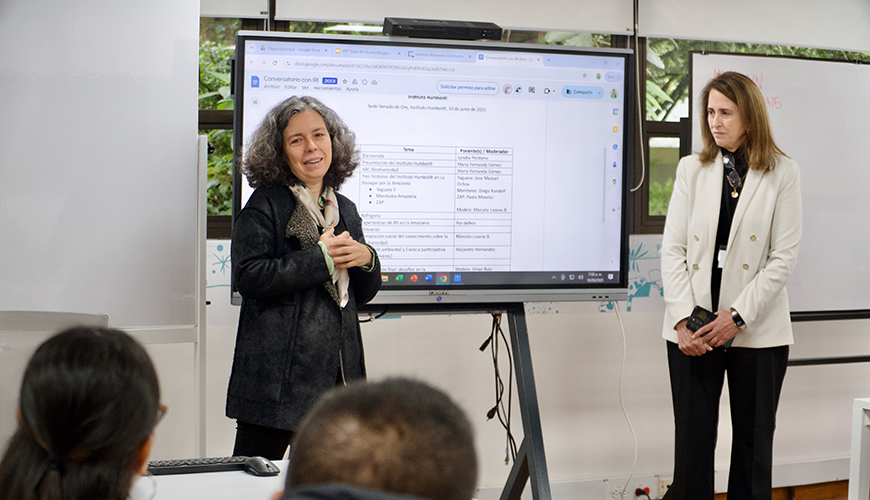
Located in the high Andean forest of the Bosque Oriental de Bogotá Protective Forest Reserve, the Venado de Oro headquarters of the Humboldt Institute is located, the scene of the first session of the Scientific Immersion Day of the Interreligious Initiative for Tropical Forests, held on June 10 and 11, 2025.
This is one of the innovative actions of the strategy for the development of competencies and capacities, which IRI-Colombia proposed to carry out this year. Its purpose is to strengthen the training of religious leaders, journalists and communicators of faith-based organizations, political leaders and decision-makers as defenders of the Amazon forests, through visits to important scientific centers in the country, where research is carried out that promotes the protection of the Amazon and its biodiversity, as well as the well-being of its communities.
On this occasion, it was the turn of forty religious leaders who head the local chapters of IRI-Colombia in the so-called Amazon arc of deforestation.
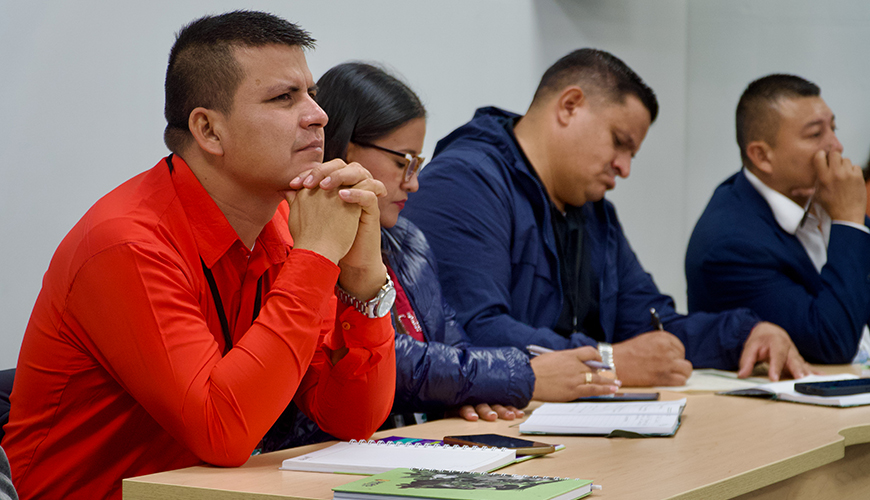
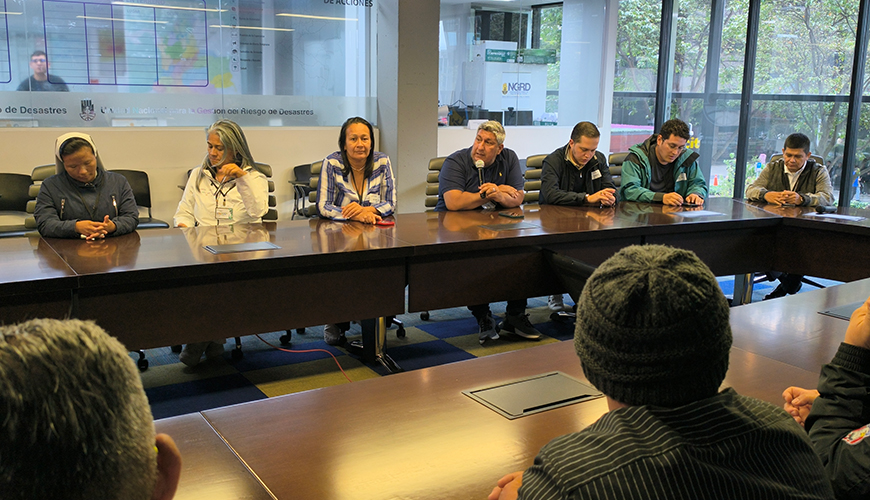
Pastors, priests, missionary sisters, and members of other spiritual communities visited the Humboldt Institute, the Unit for Disaster Risk Management (UNGRD), and the Amazonian Institute for Scientific Research (SINCHI), in Bogotá.
“The world’s religions share a sacred duty to care for creation. IRI-Colombia calls on religious leaders for their moral authority, their spiritual strength and their ability to mobilize consciences in defense of tropical forests, in the face of the deforestation crisis and for the rights of indigenous peoples and communities that inhabit the Amazon,” said Blanca Lucía Echeverry at the beginning of the activity.



Challenges for biodiversity conservation
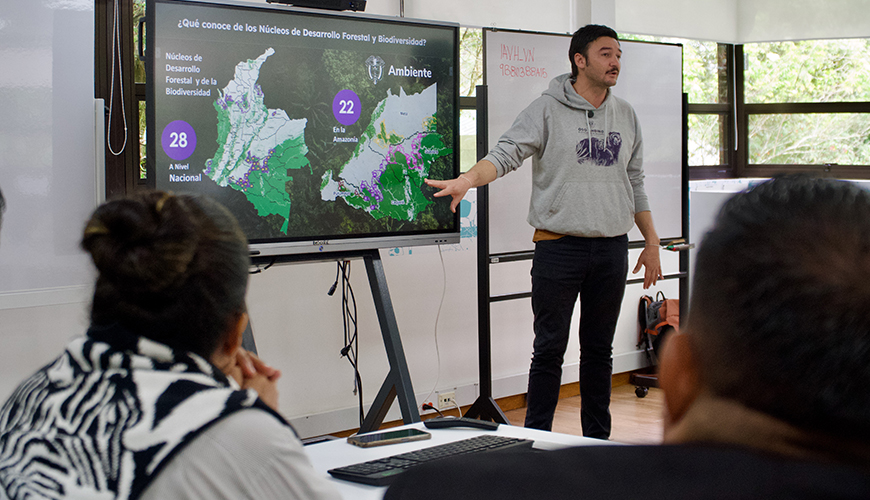
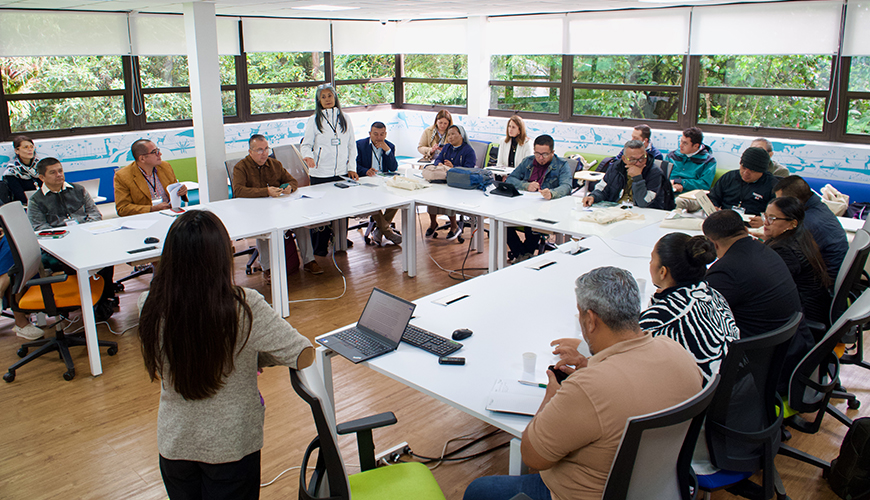
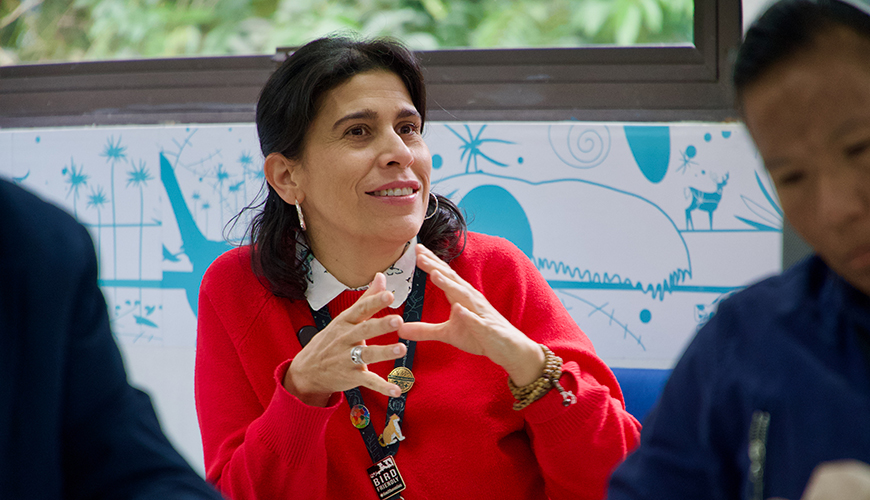
During the first session, held at the Humboldt Institute, Amazonian religious leaders had the opportunity to learn about the work of the institution and some of the projects it develops in the territory, but also to reflect on the challenges for the conservation of biodiversity in the Amazon biome.
The Humboldt Institute studies biodiversity at all its scales and components. “We have a view from species and genetic diversity, to the regional scale, with ecosystems and what we call ecological diversity,” explained Diana Pulido, coordinator of Cooperation and International Affairs.
“Our goal is quite ambitious: that 50% of the areas have effective protection strategies by 2050,” said María Fernanda Gómez about the Conservation of Ecologically Important Areas, one of the missions of the Humboldt Institute, which since last year was chosen as a subregional center of technical and scientific support for Latin America. in terms of biodiversity.
Others are Productive Landscapes, which seeks to incorporate biodiversity into the business visions of the productive sectors; and Urban Landscapes, whose objective is to impact urban-regional occupation models based on the incorporation of elements of resilience and biodiversity.
“One of the main challenges is to generate strategies that promote dialogue between the indigenous communities, who have the governance of this territory, and the peasant communities, to reach agreements that allow these areas to be conserved,” explained the leader of the Governance and Conflict Transformation line, Ómar Ruiz Nieto, about the Llanos del Yarí-Yaguará 2 project. framed in the environmental strategy of the national government, whose objective is to transform the main deforestation nuclei into areas of forest economy and biodiversity development.
Other topics addressed during the day were the integration of monitoring modules, participatory environmental zoning and the social appropriation of knowledge.
The first seeks to link the different institutions that are part of the SINA, with the aim of articulating various actors in the territory to address biodiversity monitoring. The second aims to implement the environmental zoning plan, which arose as a result of the Peace Agreement, based on agreements with the communities that inhabit the territories. And the third aims to address knowledge through transformative reflection with the communities that inhabit the territories.
This process fosters a two-way exchange of knowledge and experiences, which values mutual learning, encourages the participation of different actors and transforms practices and behaviours. “This changes the view not only of that relationship with the other, but of how to do science and how to do research,” said Marcela Lozano-Borda, manager of the Center for Social Appropriation of Knowledge, of the Humboldt Institute.
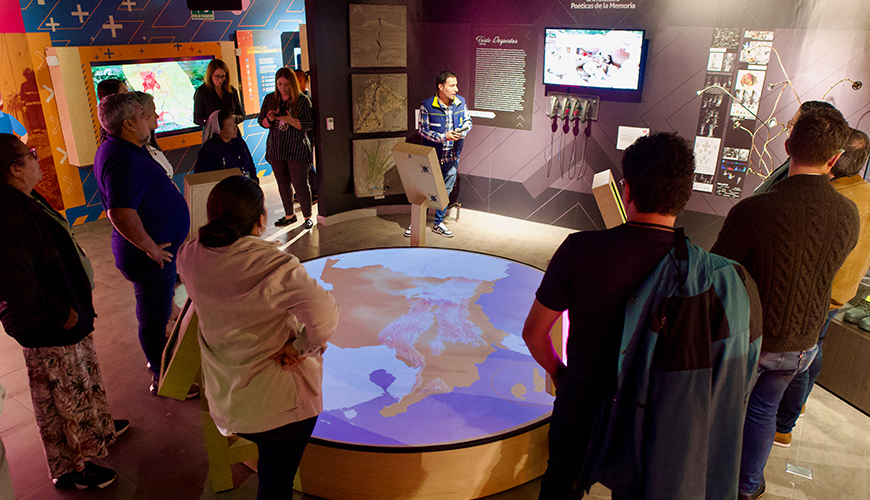 The religious leaders also visited the MAGMA museum, of the UNGRD.

Warning voices
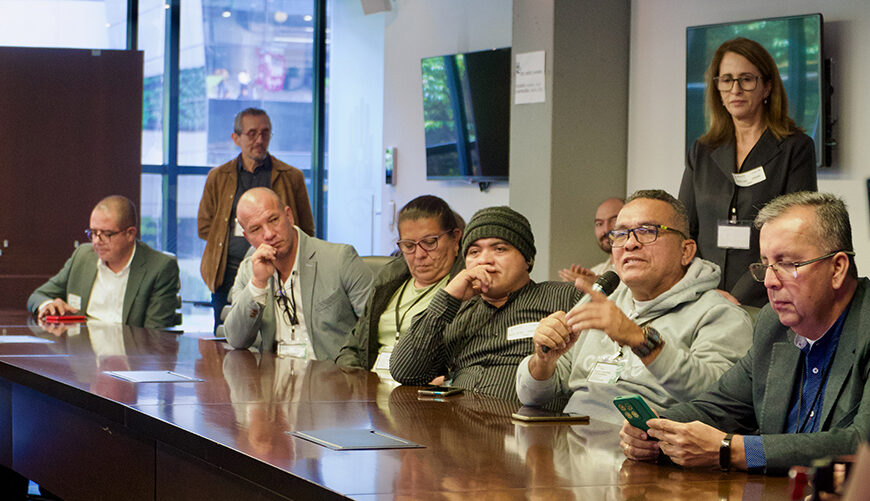
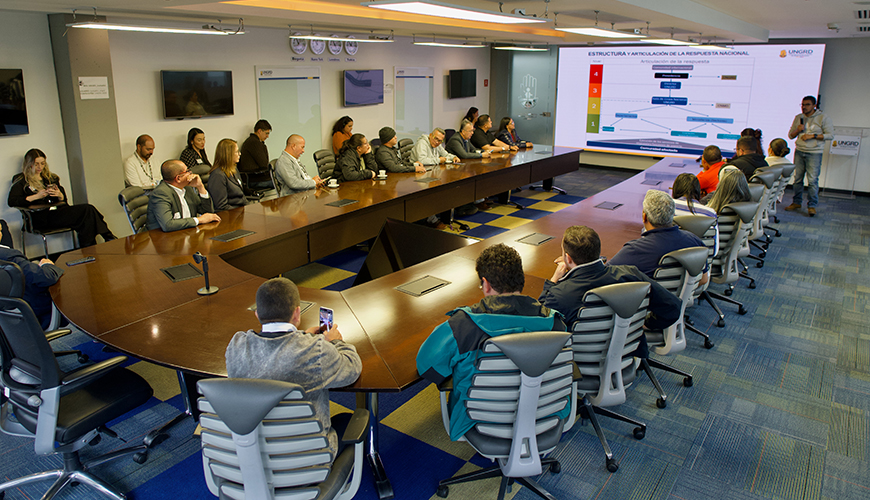
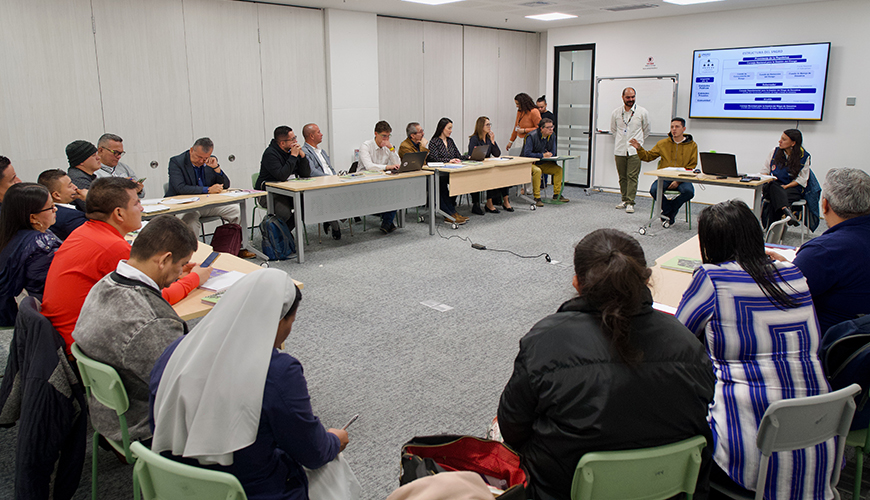
In the second session, the religious leaders visited the National Unit for Disaster Risk Management (UNGRAD), where they also visited the National Crisis Room and the Interactive Risk Museum, MAGMA.
The entity is in charge of coordinating the National Disaster Risk System and articulating the Risk Knowledge, Risk Reduction and Disaster Management committees. “The system is made up of public and private entities such as the military forces, the Red Cross, firefighters, civil defense, and the community,” said biologist Francisco Luque.
During their visit to this institution, the religious leaders learned about various issues related to disasters, such as the operation of the National Disaster Risk System, integrated fire management, early warning systems and disaster risk management plans.
“This is considered a social process. It means that we are all involved. For this reason, religious leaders have a fundamental role,” said Vivian Olarte, environmental engineer of the subdirectorate for Risk Reduction.
Seeing to learn
With a sophisticated set of miniature models of homes and buildings severely affected by earthquakes, floods, landslides and fires, the Magma Museum seeks to draw attention to the importance of disaster prevention.
This is an interactive space dedicated to the risks of land in motion, which aims to contribute to the appropriation and incorporation of Disaster Risk Management in the culture of Colombians and raise awareness about co-responsibility for the implementation of individual and collective actions for the protection of life.
In this space, religious leaders learned about prevention strategies and policies, the main elements of risk and recalled some of the most important emergencies experienced in the country, such as the avalanche in Mocoa, which occurred in 2017.
Likewise, representatives of the different local chapters of IRI-Colombia learned about the National Crisis Room, which comprises the set of tools, organizations and methods that determine how to coordinate the response to an emergency situation.
In the bowels of the Sinchi
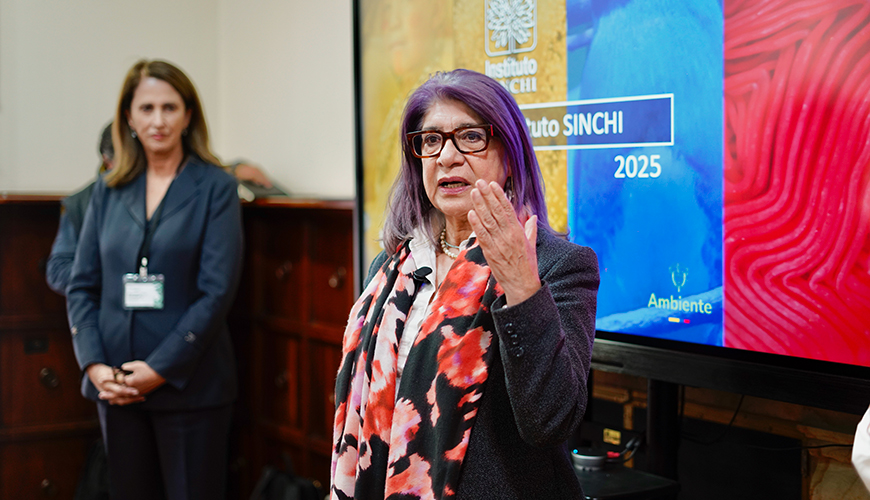
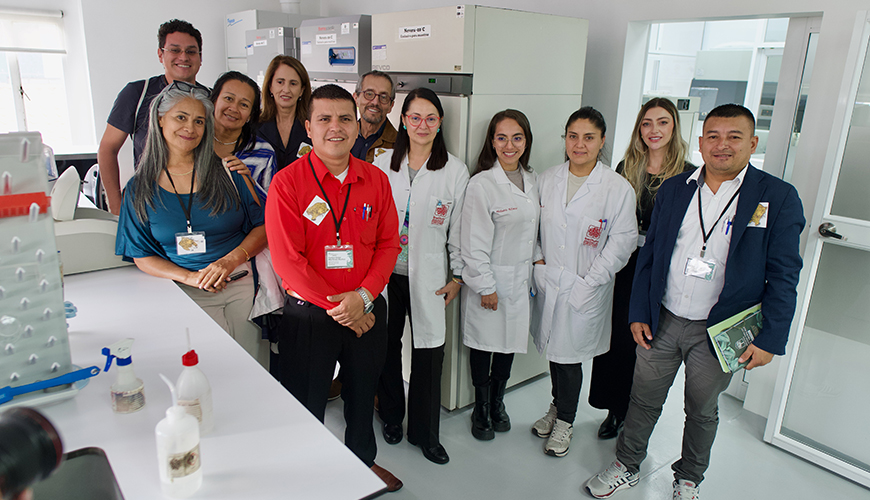
The first Scientific Immersion Day culminated with the visit of religious leaders to the headquarters of the Amazonian Institute of Scientific Research (Sinchi), dedicated to the study of Amazonian biodiversity, at its different levels.
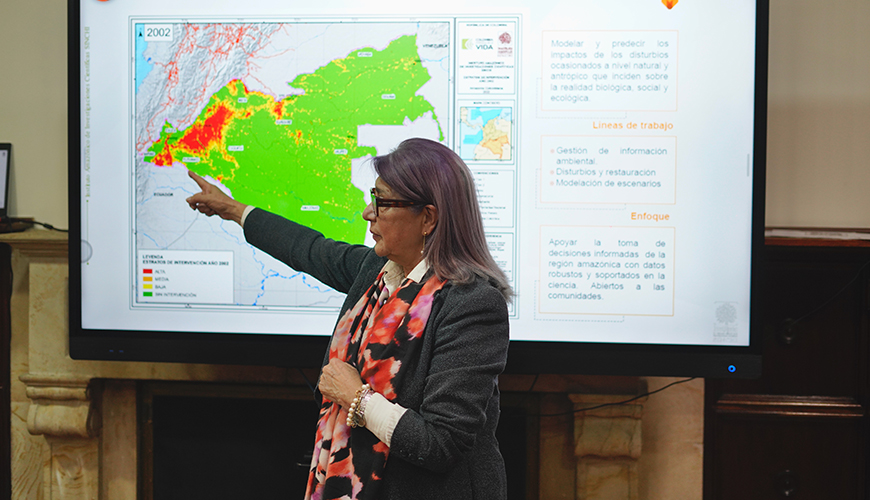
“Based on studies and measurements that are carried out continuously, it has been possible to determine that 80.5% of the forests of the Colombian Amazon remain in a good state of conservation. Sinchi has been present in this region with infrastructure, teams of researchers and biosustainable projects,” said Luz Marina Mantilla.
The director of the Sinchi Institute addressed the physical and ecological conditions of the Colombian Amazon and referred to the importance of religious leaders being aware of the Institute’s projects and connecting with the knowledge that is developed there. “We want you to help us explain to people that the Amazon is not an entity to produce, but to regulate the planet through the global ecosystem services it generates, such as climate regulation and the distribution of fresh water that the Earth has,” he emphasized.
First-hand
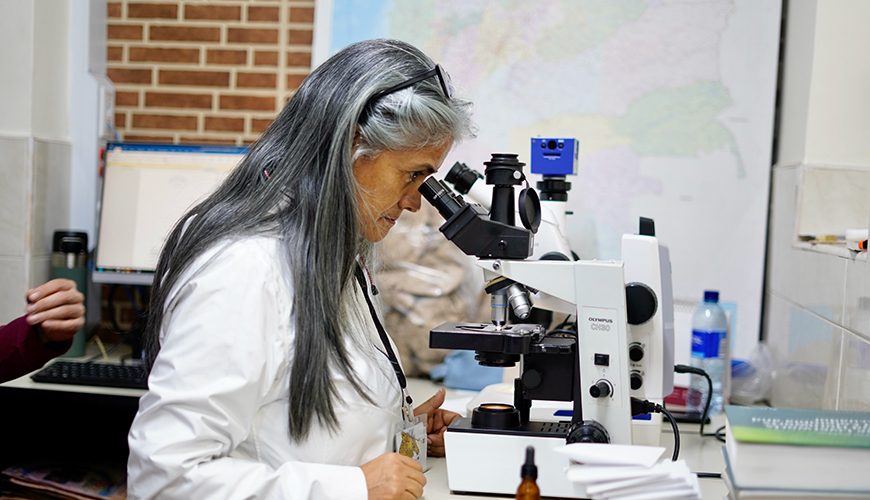
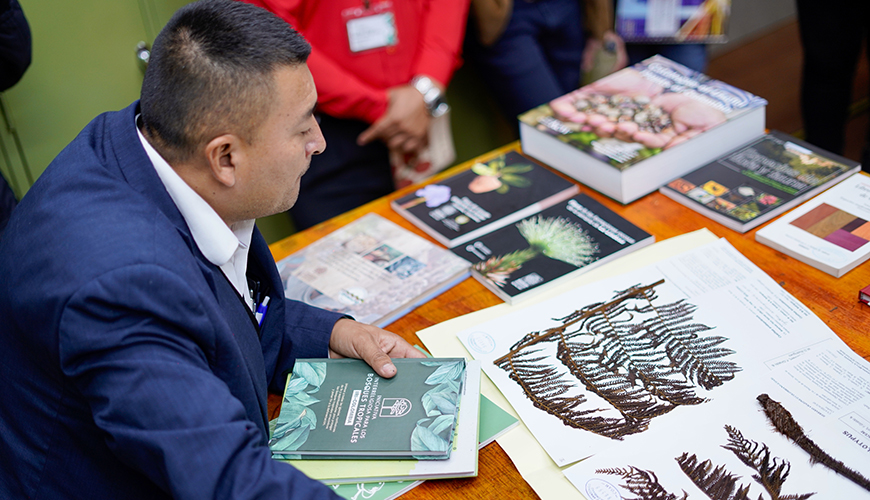
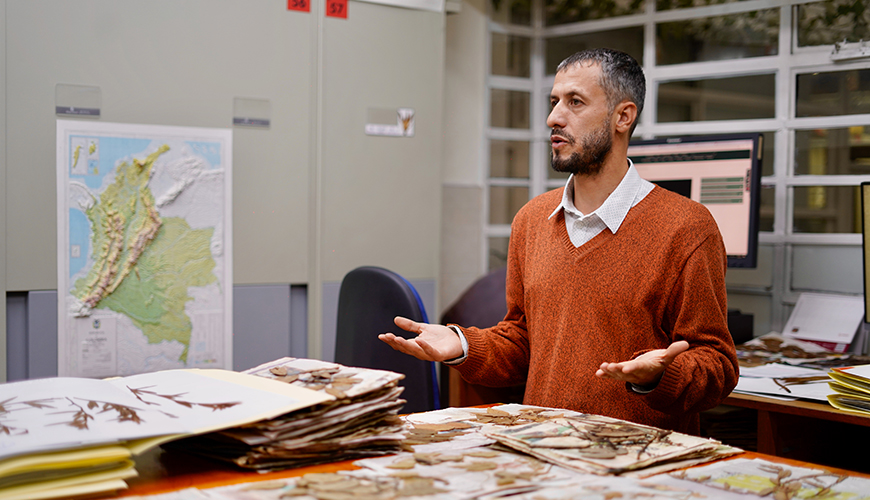
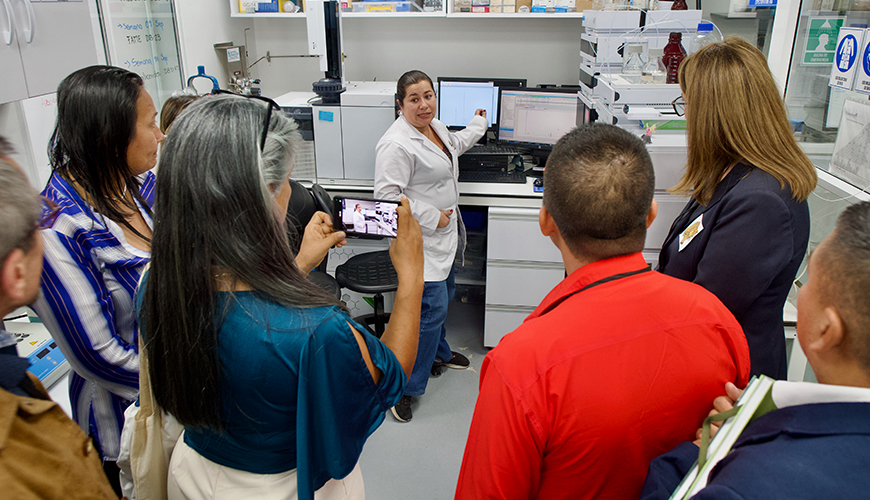
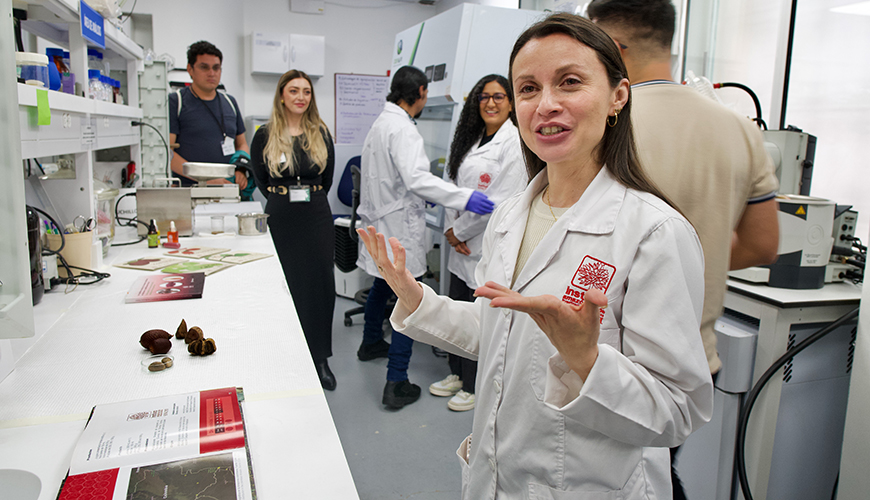
During their visit to Sinchi, the religious leaders witnessed the operation of the laboratories for the Use and Exploitation of Biodiversity, the Herbarium and the Georeferenced Information System and Remote Sensing – GIS and SR.
In the first, scientists such as Marcela Carrillo and Juliana Cardona submit Amazonian fruits such as cacay or moriche to microscopic analysis, to discover the value of their peel, seed and pulp, and determine their nutritional richness. These processes contribute to the development of technology for the benefit of Amazonian communities. Ingredients such as powder, pigments, natural oils and the design of equipment are obtained to promote business with value chains.
In the Biotechnology and Genetic Resources laboratory, where the diversity of flora, microorganisms, fish and amphibians is studied, there was a disappointment when they learned that the golden catfish is one of the most threatened species not only because of illegal overfishing, but also because of the contamination of rivers by mercury.
At the Dairon Cárdenas López Herbarium, the religious leaders learned about a complete collection of thousands of plants from the region and at the offices of the Georeferenced Information and Remote Sensing System, dedicated to the collection, analysis and visualization of geospatial data for research and management of the Colombian Amazon, they learned about the use of Geographic Information Systems (GIS) and remote sensing techniques to understand the dynamics of the territory, including forest degradation, loss of forest cover and its causes.
“The one we have just experienced was a very positive and fruitful day. For IRI-Colombia it was essential that the religious leaders who are part of our local chapters know first-hand how the scientific knowledge that protects and sustains our Amazon is produced, and that they can know and understand more clearly how factors such as deforestation are a lethal threat to our Amazon forests and the well-being of the communities,” said at the end of the day the national coordinator of IRI-Colombia, Blanca Lucía Echeverry.
Read the full edition of El bosque es vida magazine here (in Spanish).