The forum “Congressmen for Life in the Amazon” was consolidated as an ethical, political and spiritual space for the defense of this essential biome. It brought together more than 150 people and a wide variety of voices, with the purpose of tracing urgent routes for their protection and demanding immediate actions to stop deforestation and strengthen territorial governance.
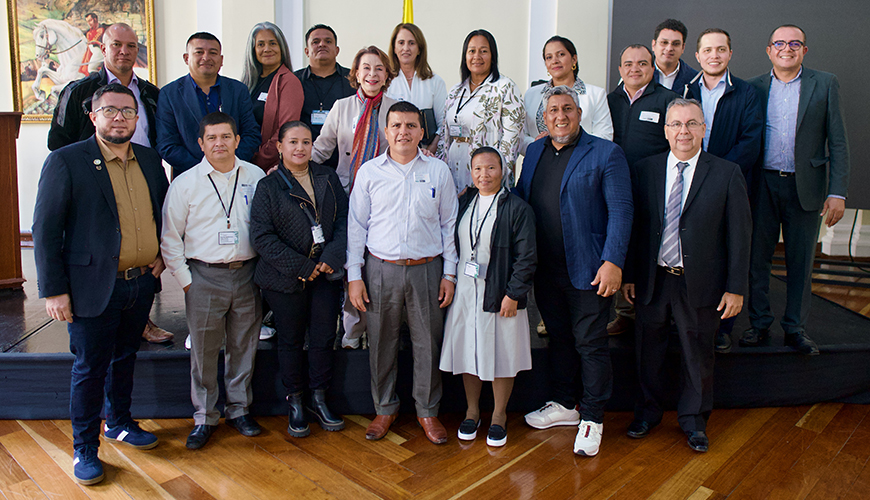
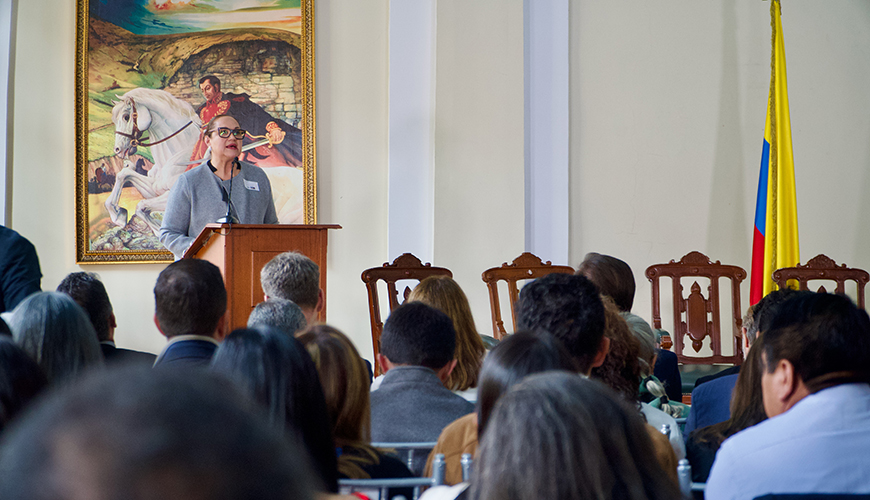
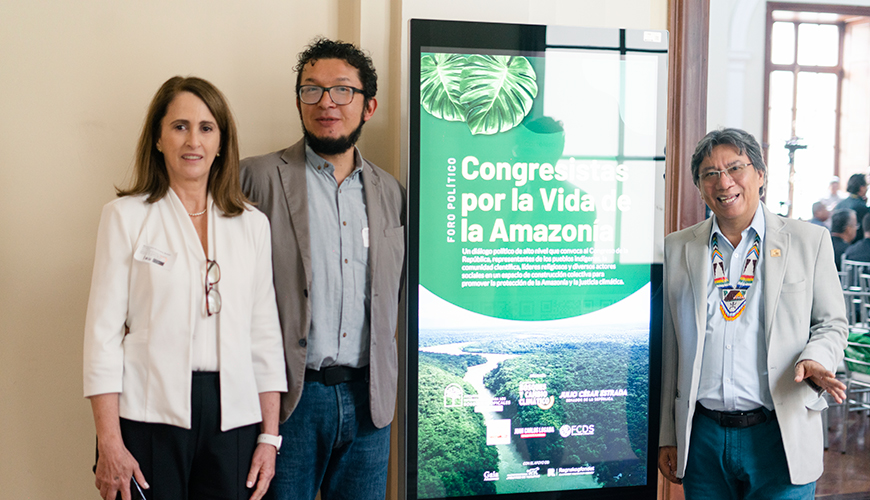
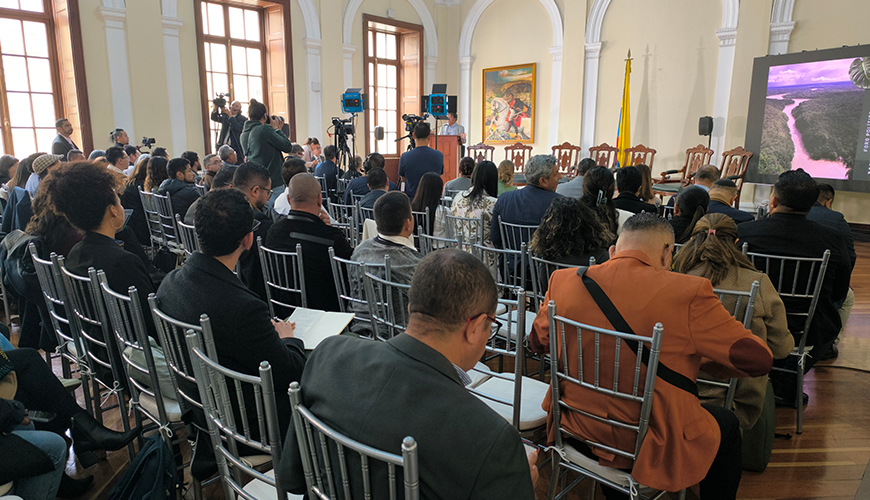
In the heart of the legislative branch, on June 12 at the political forum “Congressmen for the Life of the Amazon”, senators of the Republic and representatives to the Chamber, religious leaders, recognized indigenous, social and environmental organizations, representatives of multilateral organizations, scientists, the media and defenders of life gathered.
This space was created with the purpose of bringing together diverse voices to reflect on the necessary routes to urgently guarantee the protection of this important biome and its inhabitants.
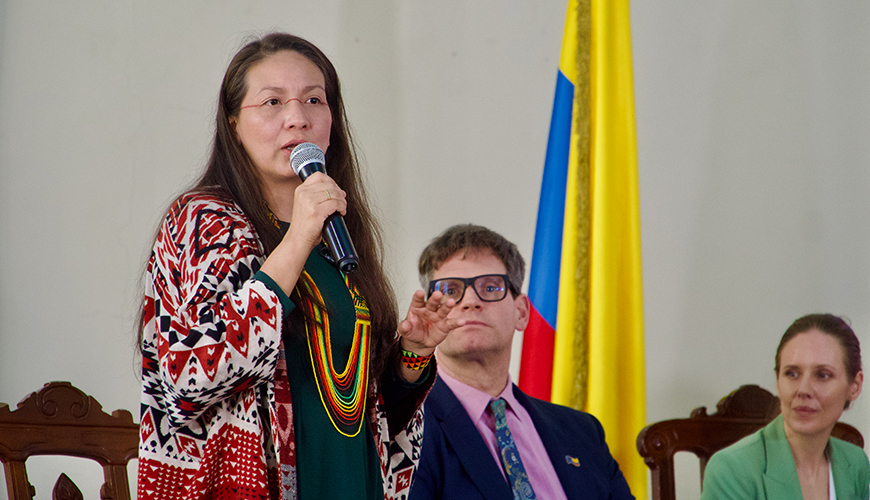
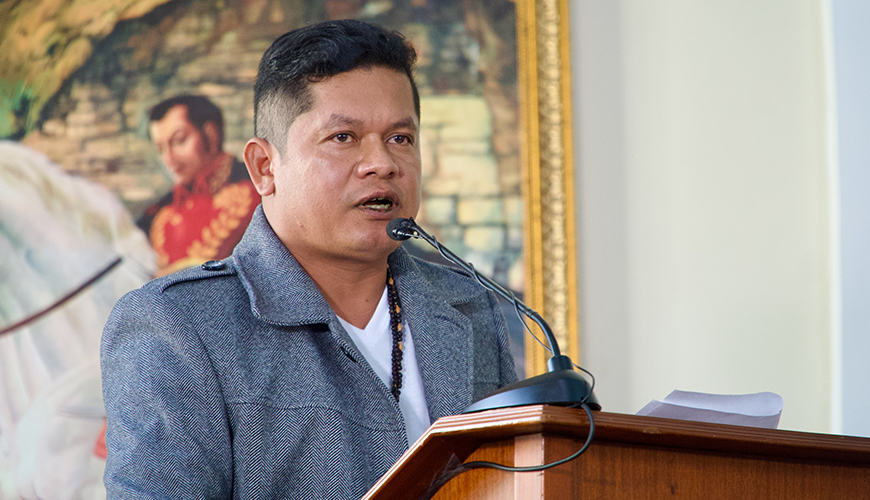
“We are already clear about the problems of the Amazon: deforestation, crime, exploitation of natural resources, cattle ranching, non-concerted or misguided policies. Now is the time to identify what the solutions are and with whom we are going to make them a reality,” emphasized Senator Julio Estrada Cordero.
The congressman, leader of the Guano indigenous people, began the meeting convened by the Interreligious Initiative for Tropical Forests (IRI-Colombia), the accidental commissions on Forests and Climate Change of the Senate of the Republic and the House of Representatives – led by him and Representative Julia Miranda Londoño, respectively – and the Foundation for Conservation and Sustainable Development (FCDS).
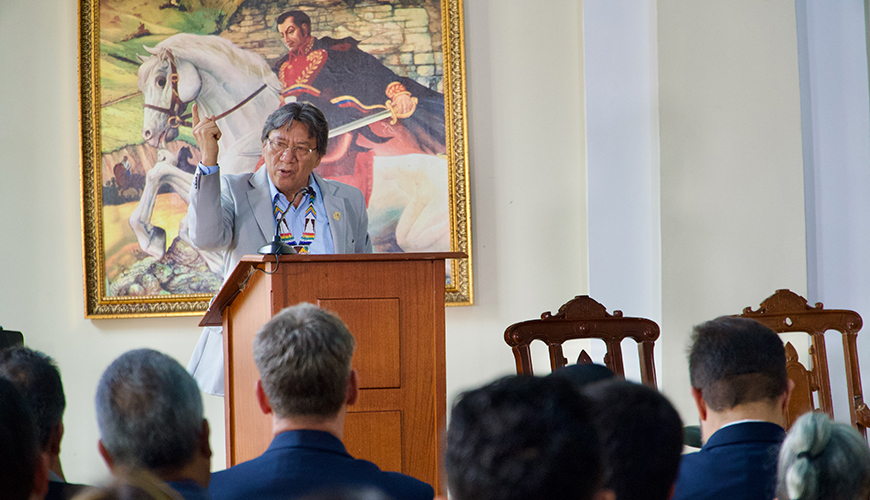
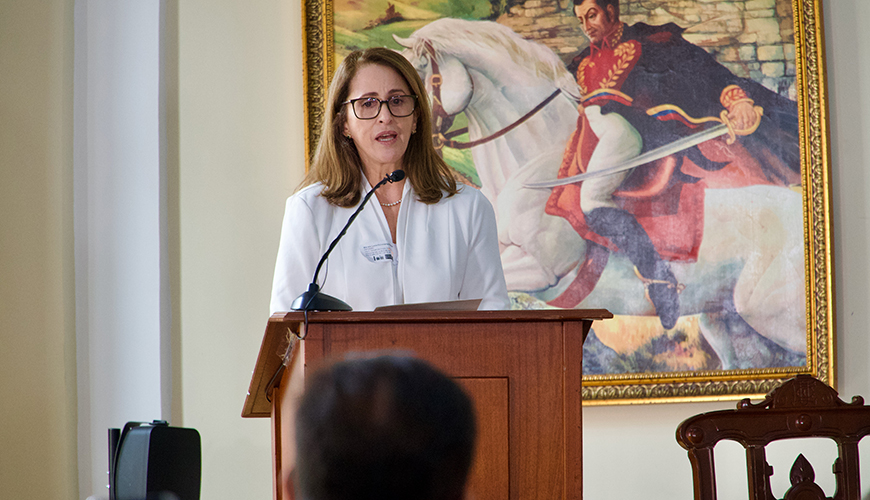
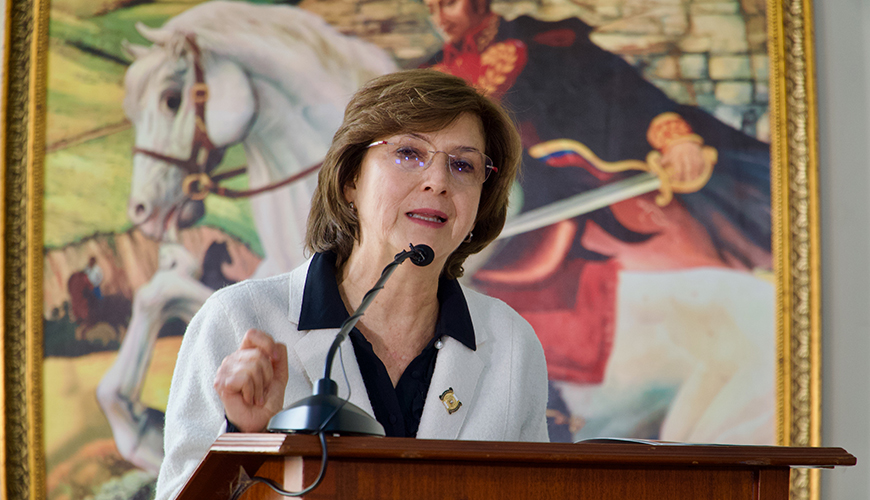
“Today I do not come to talk to you about trees or statistics on deforestation, I come to talk to you about a decision of the country, of a commitment to civilization. Integrating the ethics of care into legislative action and public policies is not an act of institutional faith, but of responsibility in the face of the civilizational crisis we are facing,” said Blanca Lucía Echeverry, who made an urgent call for us to make the Amazon an ethical, spiritual and political priority for the country.
According to the national coordinator of IRI-Colombia, the scientific and economic arguments that have dominated the environmental discourse for decades, although necessary, are insufficient to generate a profound change in the structures of thought and social behavior.
“Ethics and spirituality provide that subjective, cultural and moral dimension that can mobilize consciences, guide collective decisions and reconfigure the relationships between human beings and nature,” added the lawyer.
The Amazon is a miracle!
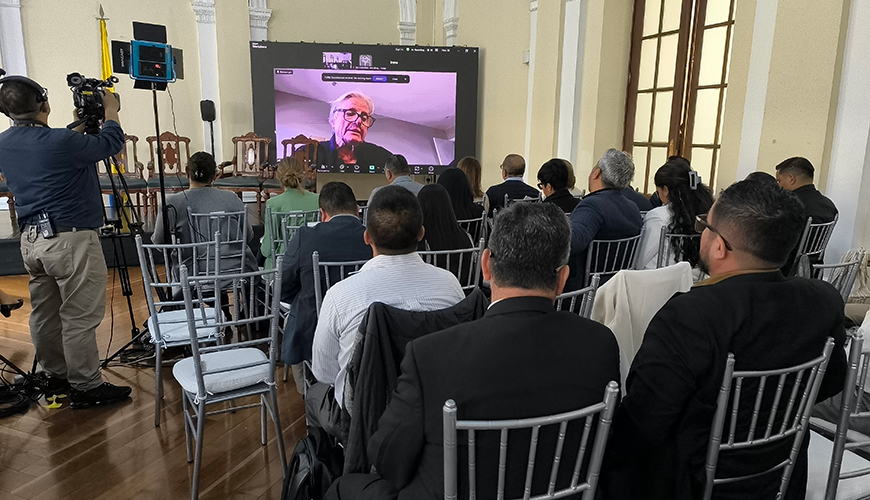
The Amazon, seen from different angles, was the protagonist of this important meeting, held in the Constitution Hall of the Congress of the Republic, which was attended by important personalities such as Dolores Barrientos Alemán and Martín von Hildebrand.
“Environmental degradation has reached 75% of the continents, that is, there is very little territory left that has not been affected by human activity,” said the representative of the United Nations Environment Program in Colombia (UNEP), who took advantage of her speech to refer to the triple environmental crisis facing the planet – climate change, climate change, climate biodiversity loss and pollution – and has pushed different ecosystems into degradation.
For his part, the Secretary General of the Amazon Cooperation Treaty Organization (ACTO) highlighted the urgency of making the region visible as a way of life that connects us all, and the collective responsibility to protect it.
“It is essential to look at it from the point of view of operation. We always talk about the point of no return, but we also have to review connectivity and take into account ecosystem services. The Amazon has been the backyard of each of our countries. But, in reality, it is a miracle,” said the anthropologist and founder of Gaia Amazonas. He also referred to the issues that should be addressed at the Fifth Summit of ACTO Presidents, with a view to achieving a regional position of the nine countries at the next United Nations Climate Change Conference (COP30), to be held in November in Belém do Pará (Brazil).
A Hope for Humanity
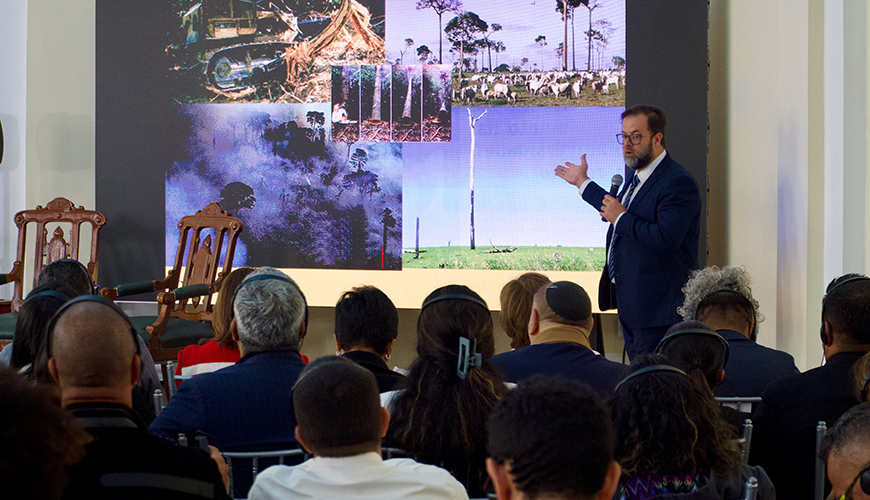
One of the highlights of this colloquium was the keynote lecture “Present and future of the Amazon. A hope for humanity?”, by Gilvan Sampaio de Oliveira.
The Brazilian scientist offered a quick overview of the physical and ecological characteristics of the Amazon biome, its contribution to the global climate and its essential role in regulating rainfall and access to water in South America.
“The Amazon may have a third of the world’s biodiversity, because much of it has not even been discovered yet. We have one of the highest rainfall volumes on the planet and provide about 18% of the world’s fresh water that is discharged into the oceans,” explained the general coordinator of the Earth Sciences Area of the National Institute for Space Research of Brazil.
“There is a very intimate relationship between the forest and the atmosphere. By modifying it, we affect the atmosphere and it reacts by affecting the forest,” explained the Brazilian scientist, who referred to the impact of deforestation and forest fires on climate change and the increase in extreme weather events, such as rainfall and severe droughts, but also on the creation of contexts of exclusion and violence for communities. “In many of these regions, profits are produced for agribusiness, but not for the people. The trend in these areas is that the lower-income population is getting poorer,” he said.
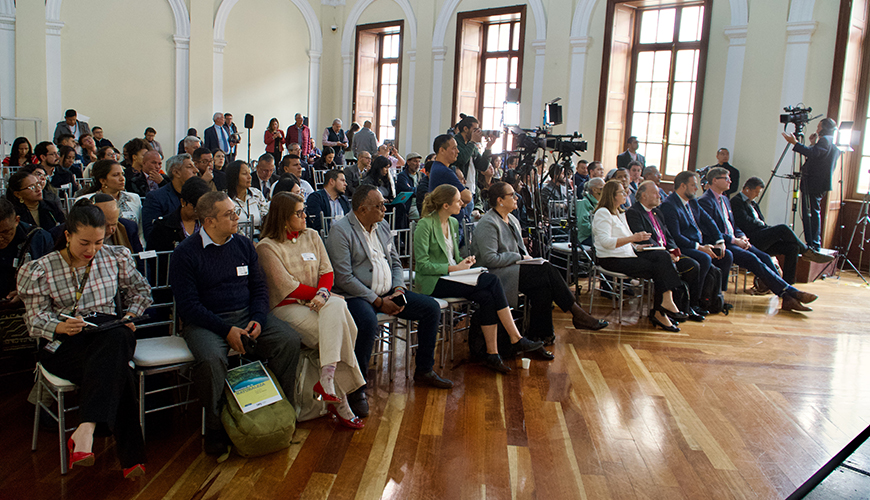 More than 150 people attended.
High alert
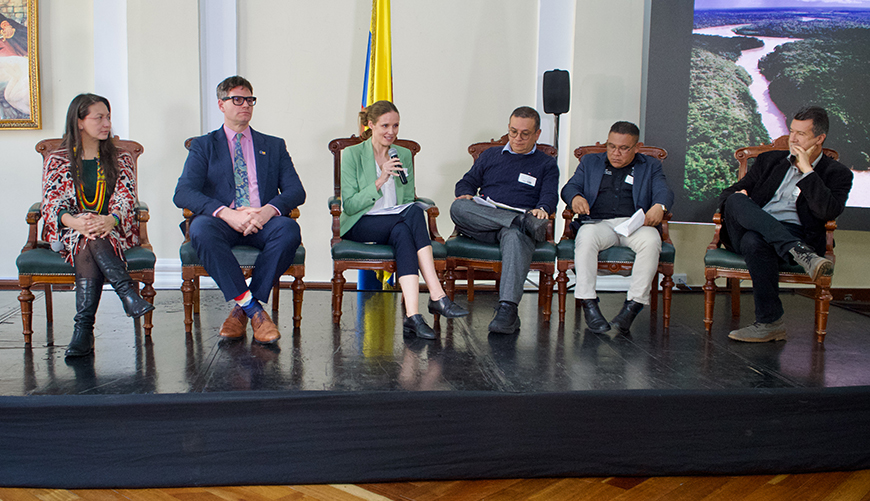
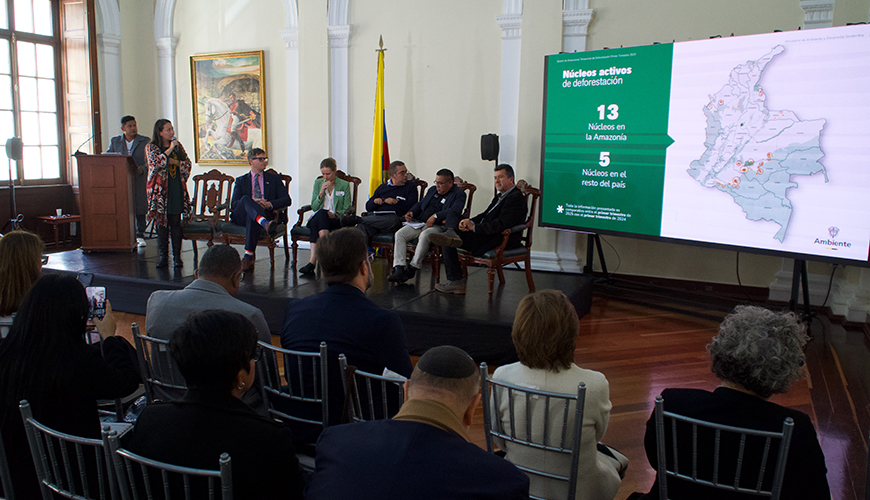
Another highlight of the meeting was the panel “Understanding the pressures on the Amazon and the opportunities for urgent action”, which featured prominent panelists who expressed concerns about alerts, risks and dangers that loom over the region and the indigenous peoples who inhabit it.
The discussion, moderated by indigenous leader Harold Rincón Ipuchima, was attended by the Minister of Environment and Sustainable Development, Lena Estrada Añokazi; the Counselor for Climate and Forest of the Royal Norwegian Embassy, Silje Marie Haugland; the director of the Foundation for Conservation and Sustainable Development, Rodrigo Botero; the director of Gaia Amazonas, Camilo Guio Rodríguez; the coordinator of Territory, Environment and Climate Change of the National Organization of Indigenous Peoples of the Colombian Amazon (OPIAC), Carlos Alberto Gaitán; and the Deputy Head of the Delegation of the European Union, Jörg Schreiber.
“Deforestation has a knock-on impact on the climate, biodiversity, access to drinking water and food security throughout the region, but also a devastating effect on territorial security and the conditions for peace,” said the representative of the Norwegian Embassy, who like the Deputy Head of the European Union delegation referred to Colombia’s challenges in terms of peace, safety and environment.
While the representative of OPIAC highlighted the political actions carried out by this organization to protect the biome and the essential role of indigenous peoples in this task, thanks to their knowledge systems, the director of Gaia Amazonas referred to the use of information systems for the defense of the territory and highlighted the urgency of materializing the Indigenous Territorial Entities.
“It is possible to advance in an exercise of governance, of territorial authority, from the use of information systems tools. Not only to react, but to anticipate. Not only to tell what is happening, but to say what to do with it,” he said.
On the other hand, the director of the FCDS drew attention to transnational crime, “which is concentrated in the countries of the northwest of the biome,” land speculation associated with a problem of money laundering by illicit economies, particularly mining and drug trafficking, and the massive entry of livestock.
“We have a proposal for a law on the traceability of the livestock chain. This is a call to all parties to move forward in the process of discussion and approval of this law. It is urgent. Without traceability, cattle ranching will continue to be a perfect scenario for the consolidation of lands that are being massively appropriated,” he said.
The intervention of the Minister of the Environment and Sustainable Development, Lena Estrada Añokazi, was felt like a balm, revealing that during the first quarter of 2025, deforestation decreased by 33% compared to the same period last year. “There were a little more than 40 thousand hectares deforested; this year the figure is 27 thousand hectares, although the ideal would be zero.”
The minister, leader of the Uitoto people, attributed the high rate of deforestation to the phenomenon of grassland, which stems from land grabbing. “This practice sacrifices the most vulnerable communities that are displaced, whether they are peasants, Afro-descendants or indigenous people,” he said.
The meeting closed with a flourish, with the reading of the final declaration of the forum by Representative Julia Miranda. This became a manifesto of commitment to the integral defense of the Amazon and its effective protection, as a shared responsibility and an ethical, political and environmental imperative.
The Declaration addresses issues such as the importance of safeguarding the fundamental rights of indigenous peoples and local communities, the effective implementation of Indigenous Territorial Entities, the transformation of development models, the strengthening of environmental legislation and strategies for the prevention and punishment of environmental crimes, which ensure the protection of defenders of the territory.
“Our ethical and moral principles with the Amazon, as the Interfaith Initiative for Tropical Forests reminds us, must be the task of every citizen, every person who inhabits this planet, because without the Amazon we have no future,” concluded the congresswoman.
Read the full edition of El bosque es vida magazine here (in Spanish).