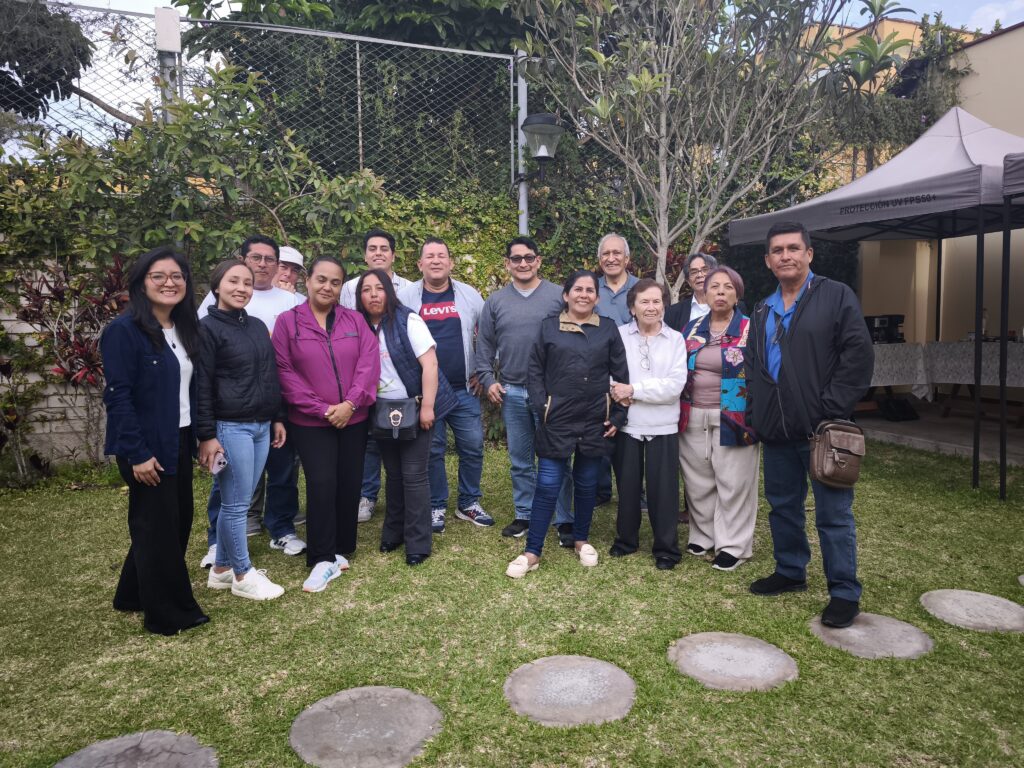

IRI Peru brought journalists from major national outlets (including La República, El Comercio and La Encerrona) into an Amazon immersion press component designed to do more than “raise awareness.” Strategically, the visits help shift Amazon coverage from episodic disaster stories to sustained, evidence-based reporting rooted in territorial reality, giving reporters direct access to communities, institutions and on-the-ground conditions that are often invisible from Lima. By grounding national narratives in first-hand observation and verified local testimony, the immersion strengthens the accuracy and credibility of coverage, widens the range of Amazon voices in public debate (including Indigenous and frontline community perspectives), and increases the political cost of inaction by keeping rights violations and governance failures in the news cycle. One flagship story highlighted a severe public-health and dignity crisis in communities just outside Iquitos living amid waste and lacking basic water and sanitation, tied to a Constitutional Court “state of unconstitutional affairs” ruling and ongoing noncompliance by authorities.
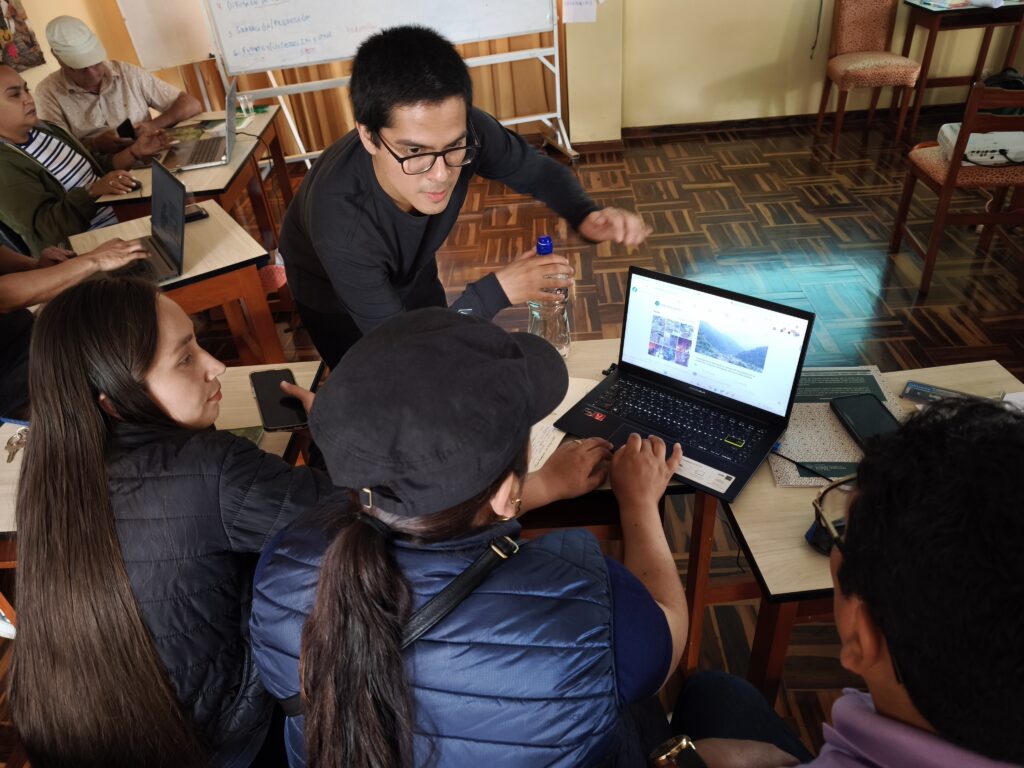
Coverage amplified advocacy led by Bishop Miguel Ángel Cadenas and increased pressure for action, translating local reality into national accountability pressure. IRI Peru also used major faith platforms to deepen movement alignment, including an appearance during the 800th anniversary of the Canticle of the Creatures with Franciscans (400 participants) and a presentation to an ACT Alliance–linked Lutheran development audience framing Amazon climate impacts through human rights. Lastly, IRI Peru convened journalists from nine Amazon multimedia outlets, with combined potential reach above one million, to align editorial focus around “No Forests, No Life” themes, including deforestation, fires, water contamination, and ethical and spiritual framing. The agenda included practical tools for candidate-plan coverage, digital tactics (including AI and TikTok) and coordination with national reporters who joined the Iquitos immersion. Journalists agreed to weave consistent election-season questions into coverage on forests, water safety, Indigenous rights and enforcement against illegal economies at municipal, regional and national levels.