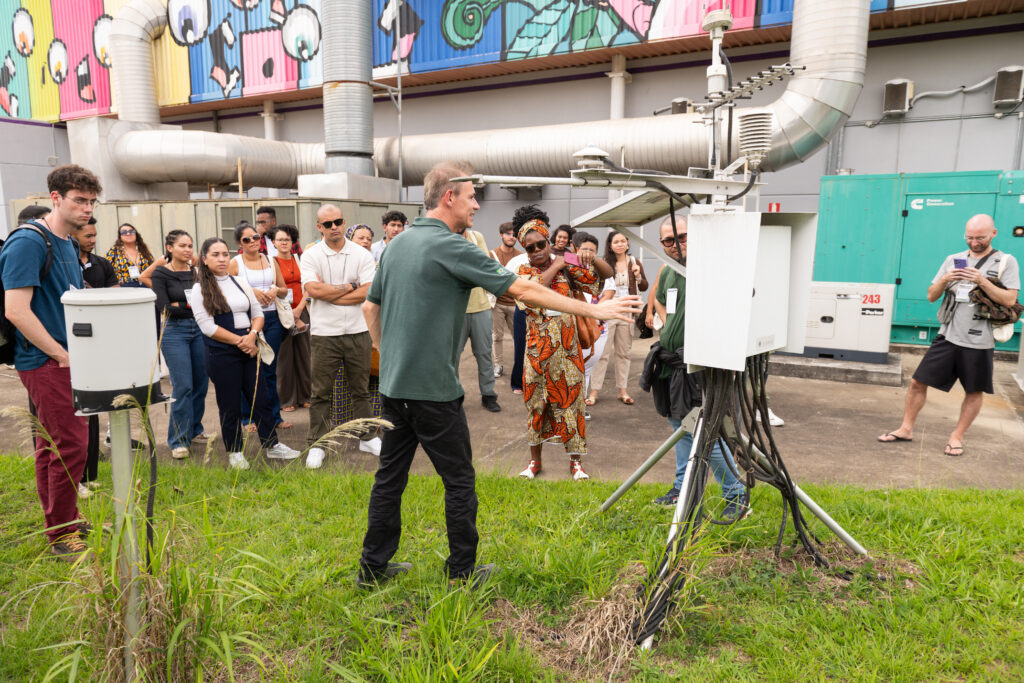
IRI Brazil is deepening a strategy it describes as “science-to-faith formation,” using intensive immersions to bring deforestation, climate and disaster-risk data directly to senior religious leadership in the Amazon. Its 23rd scientific immersion trained 31 Catholic leaders, including representatives from six Amazon states, and secured commitments tied to the Right to Breathe Clean Air campaign, including mobilization for filter distribution and adoption of educational materials from CEMADEN. The 24th immersion convened 53 leaders from major evangelical movements and networks, producing public commitments that ranged from distribution of 500 water filters to a pledge to plant one million trees over 10 years, as well as broad adoption of CEMADEN resources. A 25th immersion brought together 26 evangelical leaders alongside agribusiness representatives, opening a channel for dialogue on rural climate risk and advancing a proposal to reduce burning on rural properties in Rondônia for submission to the SICOOB.

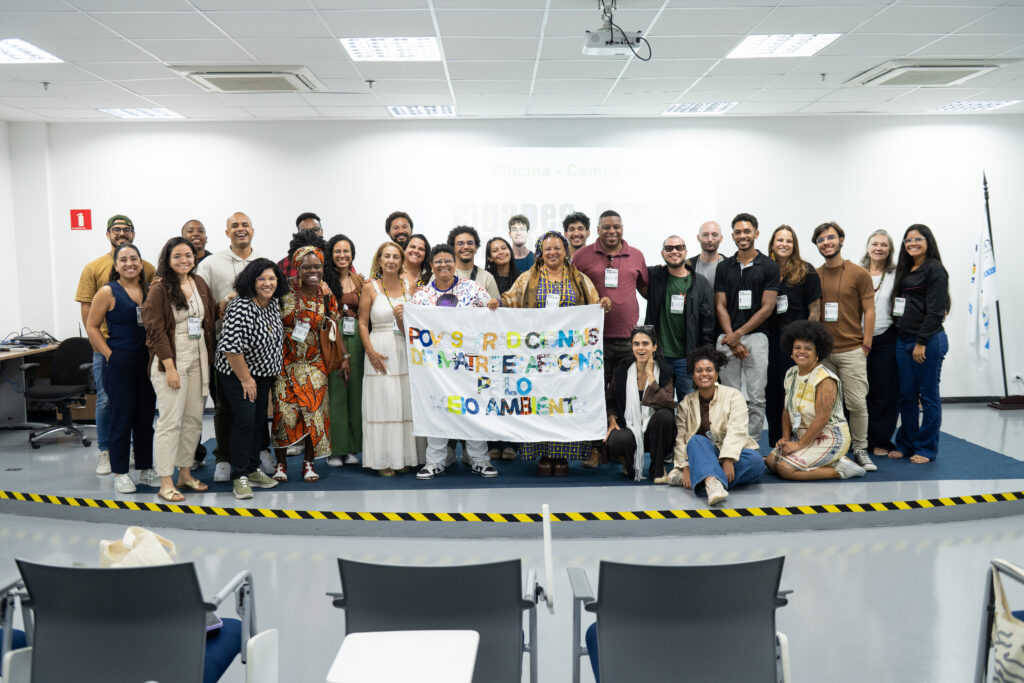
In December 2025, IRI Brazil held additional immersion trainings with INPE and CEMADEN, including sessions with evangelical student movements (notably Cru Campus and ABU) and a formal effort to systematize learning for future cohorts (the 26th and 27th). The 27th immersion broadened IRI Brazil’s interfaith reach, drawing strong participation from Afro-Brazilian traditions and civil-society leaders. The agenda explicitly linked climate science to racial and environmental justice, urban vulnerability and territorial rights. To quantify impact, IRI Brazil has also established a partnership with Ideia Big Data to evaluate the immersions using comparative methodology, interviewing participants alongside a control group that did not attend.
The aim is to measure differences in understanding, engagement and attitudes on priority socio-environmental themes — and to refine the curriculum based on evidence, not anecdote, including which participant profiles respond best to different learning formats. Alongside the immersions, IRI Brazil ran 10 online “Sowing Information” sessions reaching 100 participants, training leaders to use open-data portals related to drought and landslides, deforestation and fires, health risks, hydrology and land-use monitoring.