
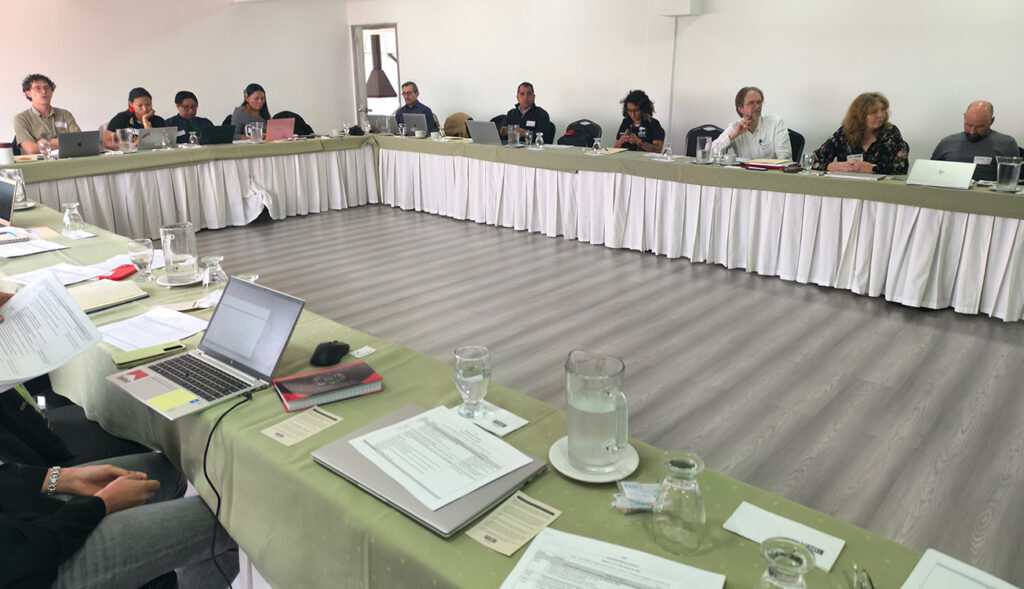
IRI-Colombia participated in the annual meeting of Rainforest Foundation Norway (RFN) partners, held March 2–4 in Bogotá.
This meeting aimed to strengthen strategic dialogue among RFN’s partner organizations, analyze and reflect on key issues—including the Colombian legislative landscape and the drivers of deforestation—and define joint priorities for the 2025–2030 period. These priorities aim to address the Norwegian foundation’s Strategic Objectives and current challenges regarding governance, territorial rights, and forest protection.
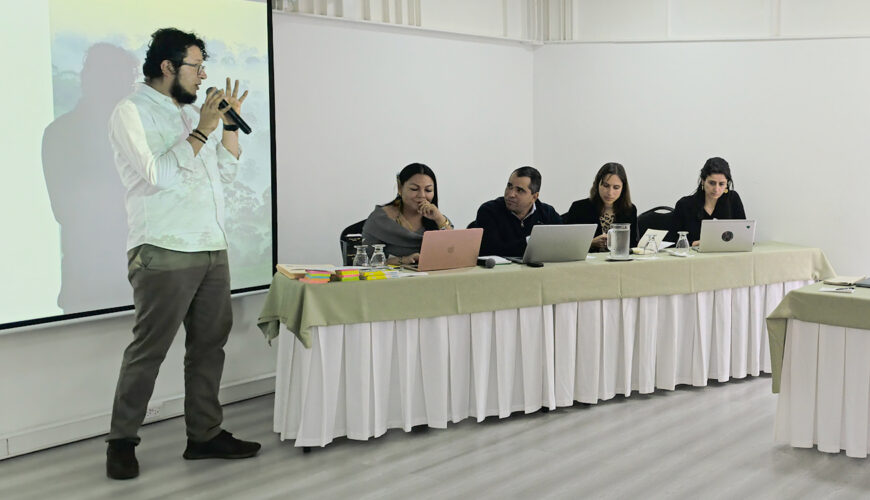
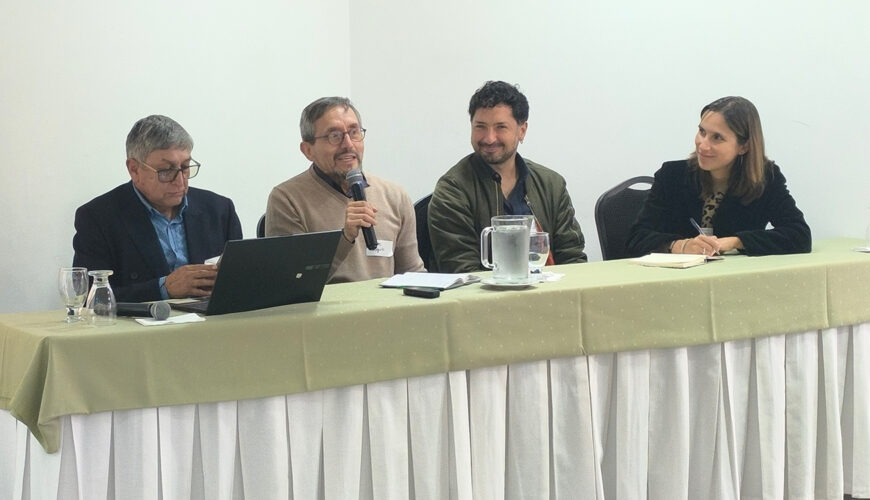
In this context, the first session focused on a series of panels aimed at delving deeper into the current landscape of forest policy and the rights of indigenous peoples in the country. It also addressed the progress, risks, and prospects for territorial rights in Colombia and the Amazon, along with experiences and strategies for action on environmental governance.
Carlos Augusto Lozano highlighted the urgency of incorporating an ethical perspective that allows for an approach to the environmental, aesthetic, and cultural values of the Amazon. “Deforestation is not only an environmental crisis but also a human rights crisis, as it disrupts cultural fabrics and social processes,” emphasized the national advisor for IRI-Colombia in his remarks.
The second day opened a space for dialogue on the lessons learned from the Fundación Etnollano project, the “Seeds of Autonomy” Governance Exchange, focused on indigenous self-governance and forest economies in Peru and Colombia.
This analysis was complemented by a presentation from Rodrigo Botero García, director of the Foundation for Conservation and Sustainable Development (FCDS), who addressed the drivers of deforestation and the main challenges facing the northwestern Amazon. Among these, he highlighted the impact of global geopolitical conflict, the resumption of hydrocarbon extraction; the growing demand for metals associated with the energy transition and the development of artificial intelligence; the expansion of economies operating in a gray area between legality and illegality— such as gold, coltan, and tin mining, among others—due to scarce or nonexistent regulation; as well as initiatives such as the Silk Road.
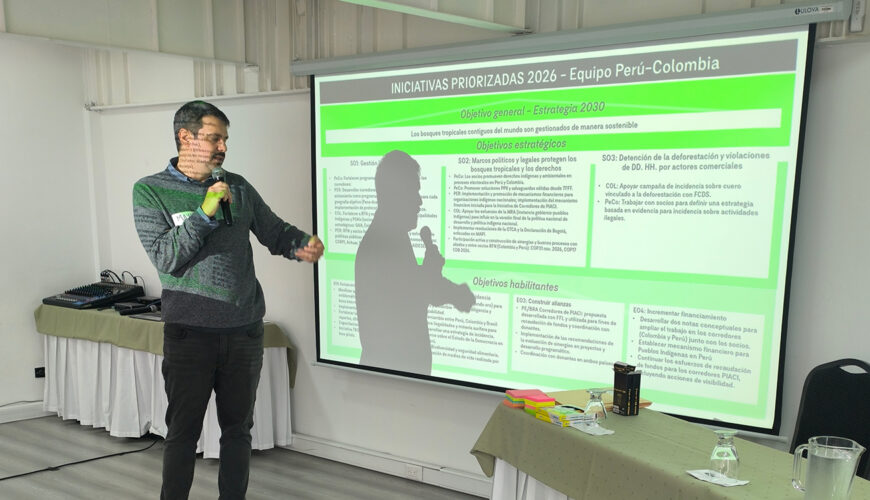
Finally, during the third session, the organizations participated in various workshops focused on both institutional strengthening and strategic coordination. These included a session on gender and protection against sexual exploitation, harassment, and abuse (PEAAS); another focused on identifying each institution’s main achievements; and a third aimed at analyzing priorities and opportunities for coordination on issues such as territorial governance and ETIs, direct financing for Indigenous Peoples, international advocacy, and territorial corridors within the country.
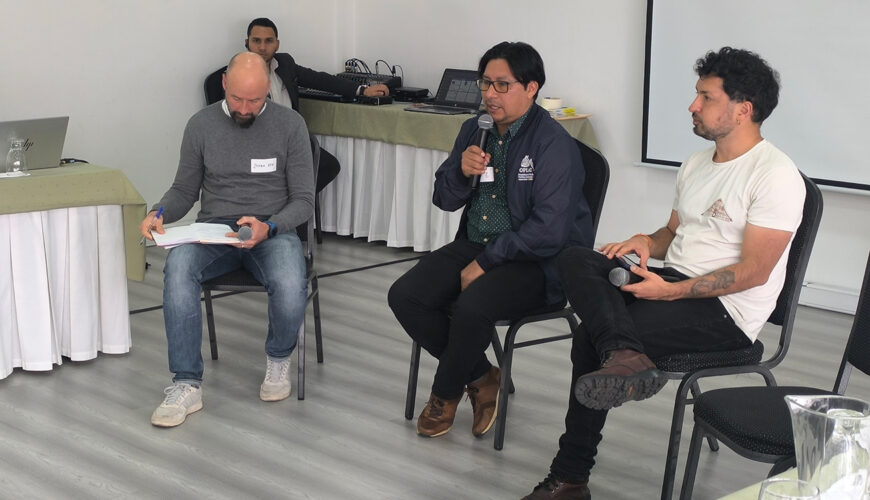
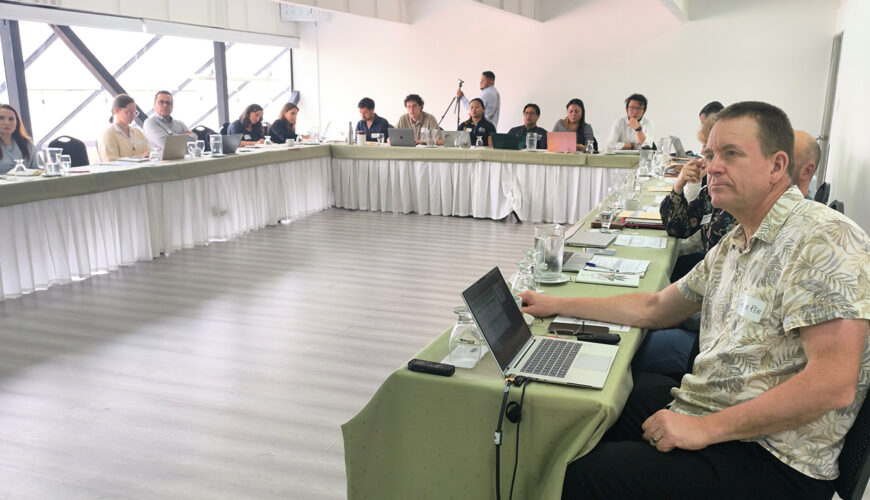 Representatives from FCDS, OPIAC, ONIC, IRI-Colombia, the Etnollano Foundation, and La Silla Vacía attended the RFN annual members' meeting.
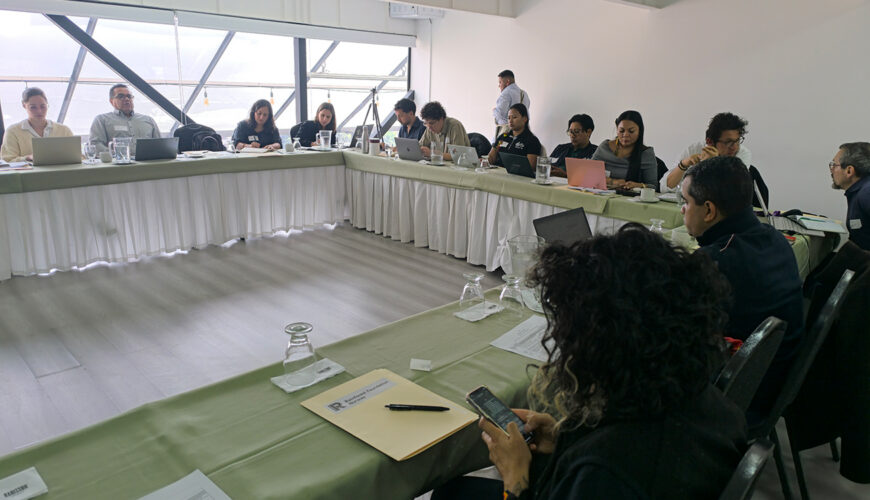
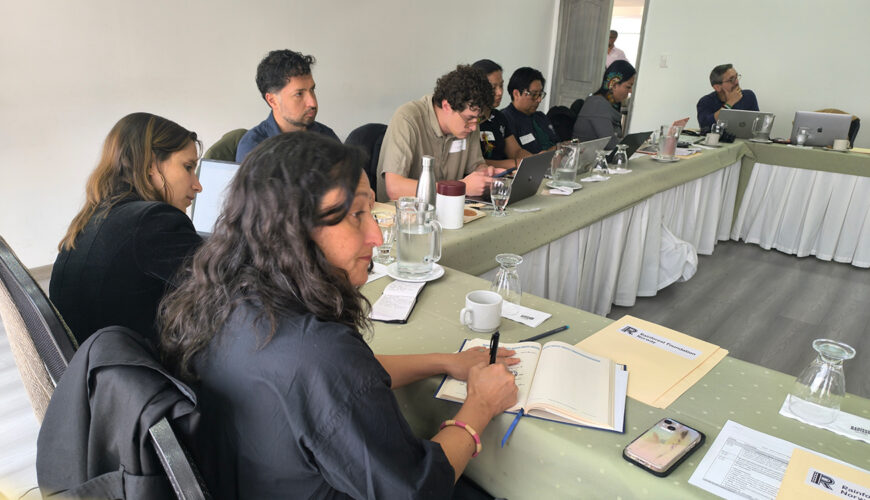
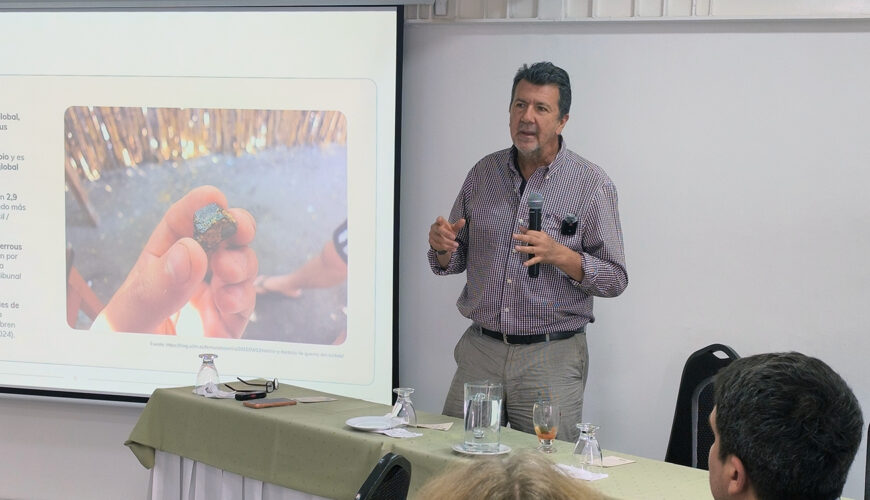
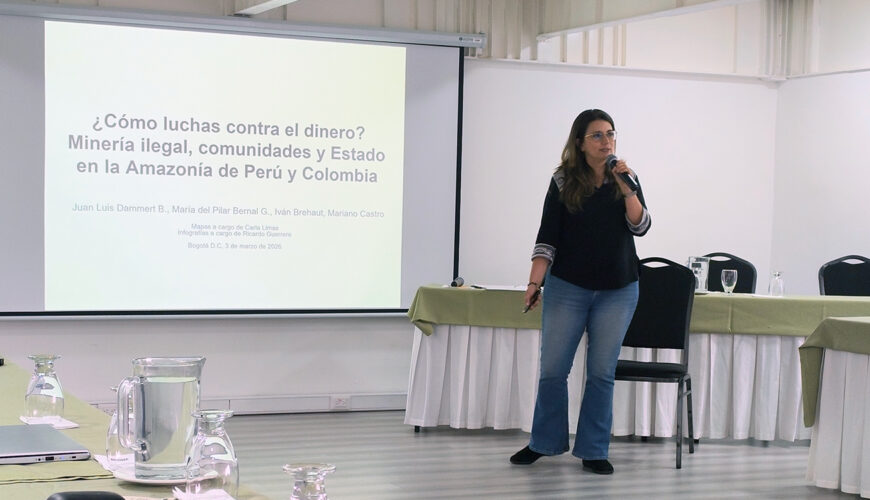
“The discourse surrounding regional economic development policies does not necessarily align with the preservation and protection of these territories,” noted the director of the Foundation for Conservation and Sustainable Development (FCDS).