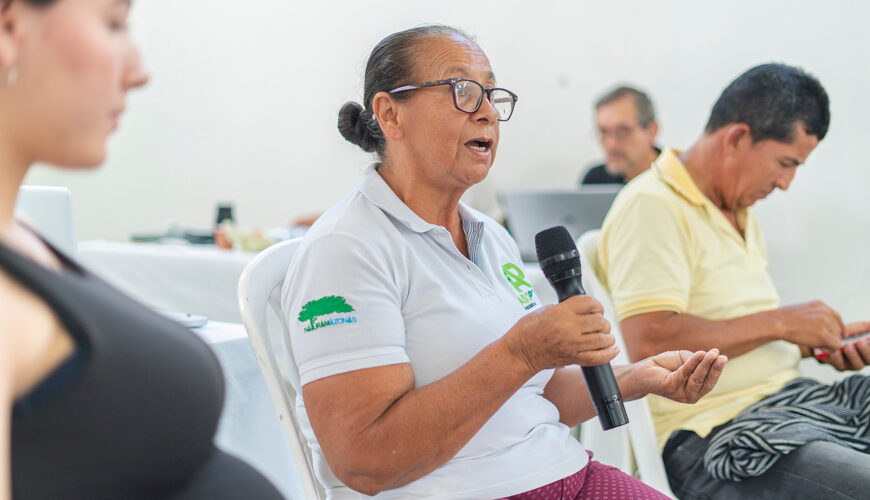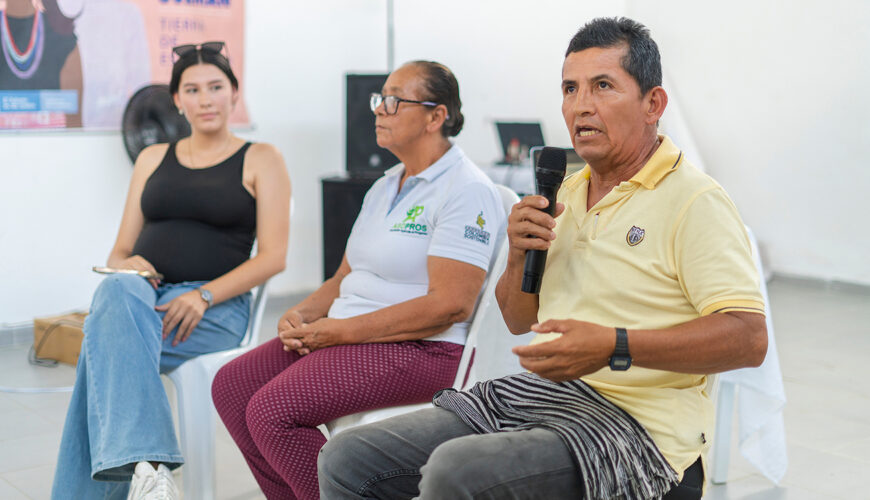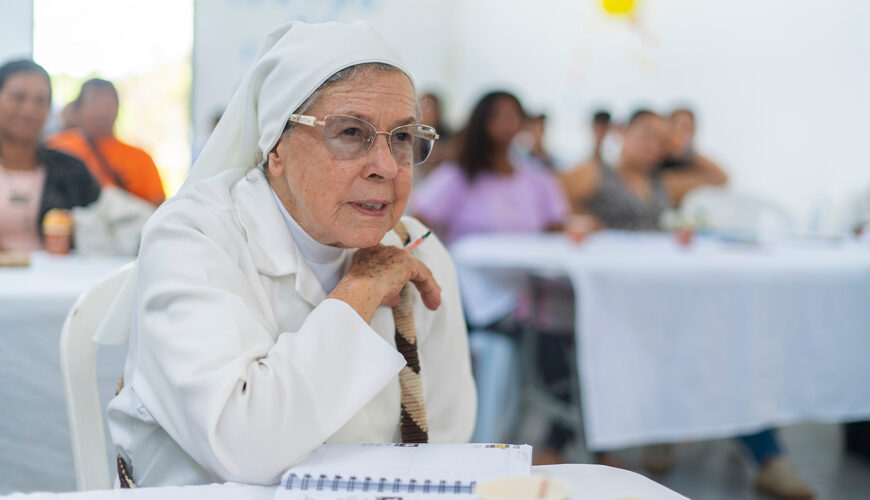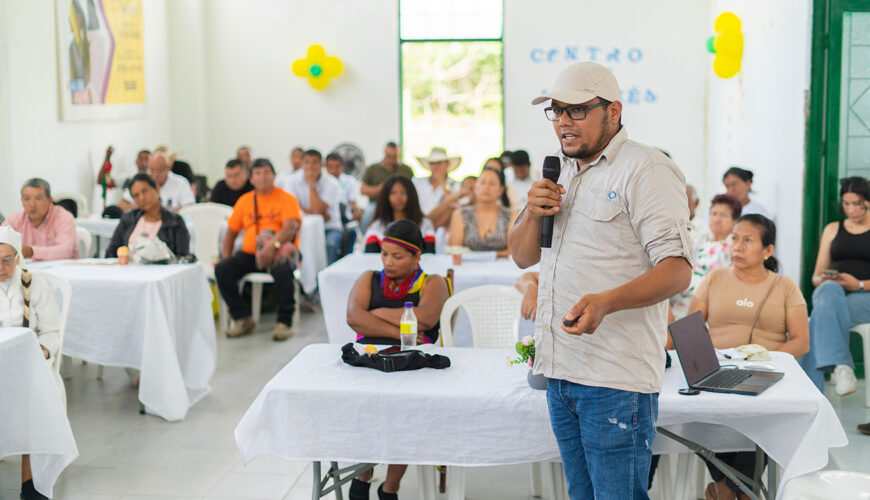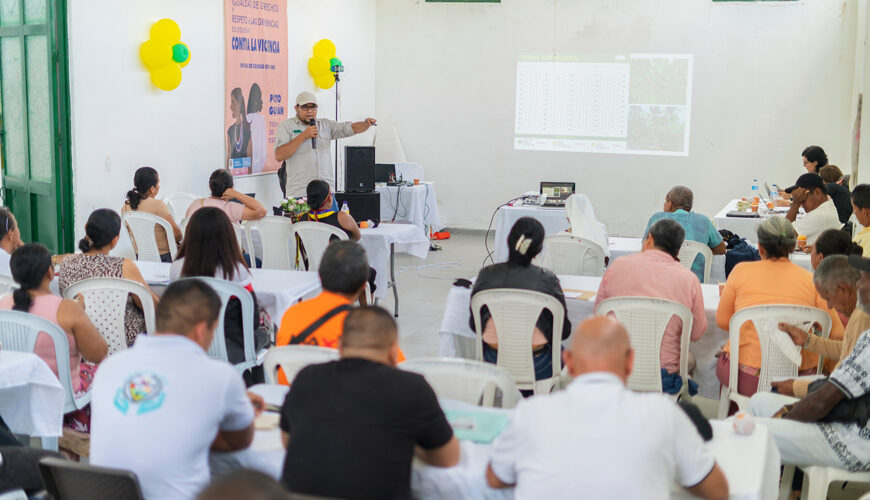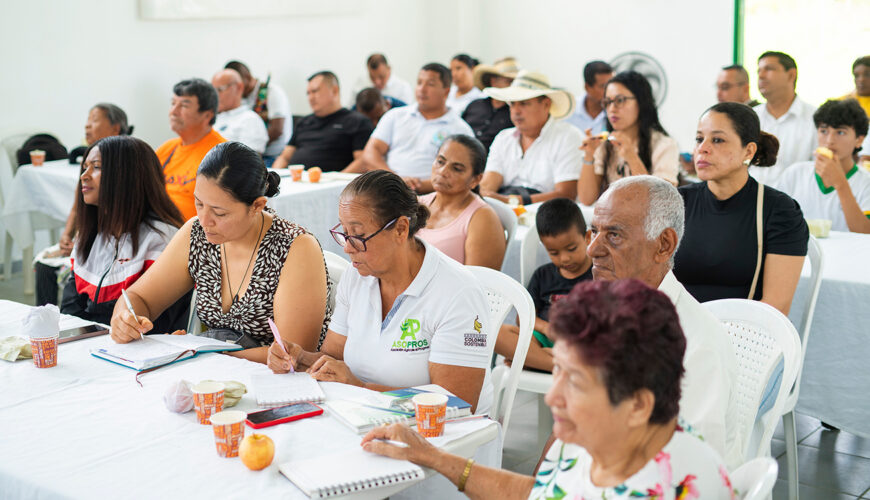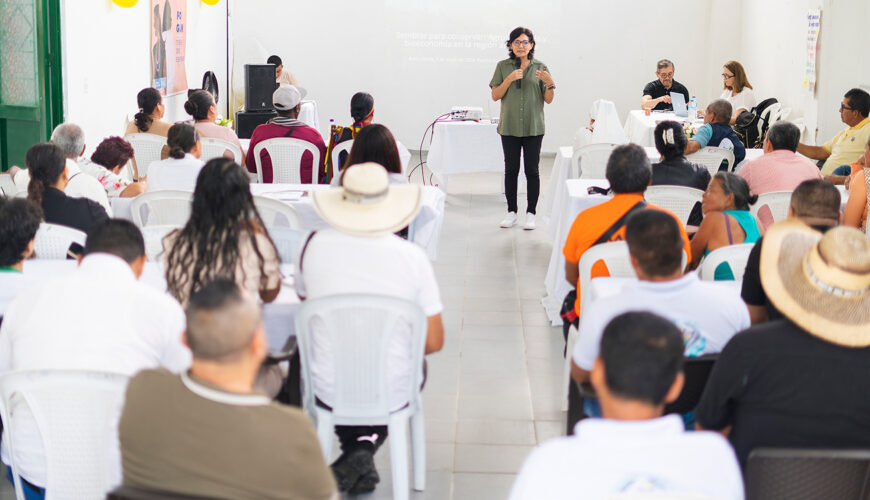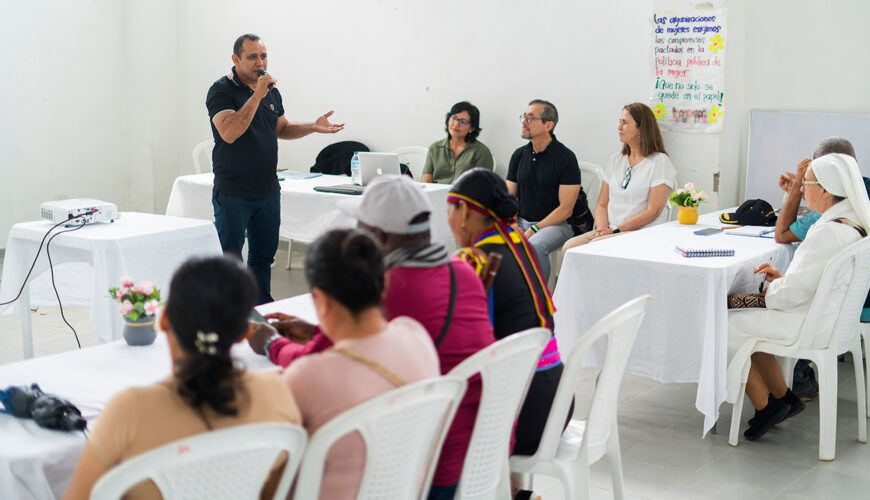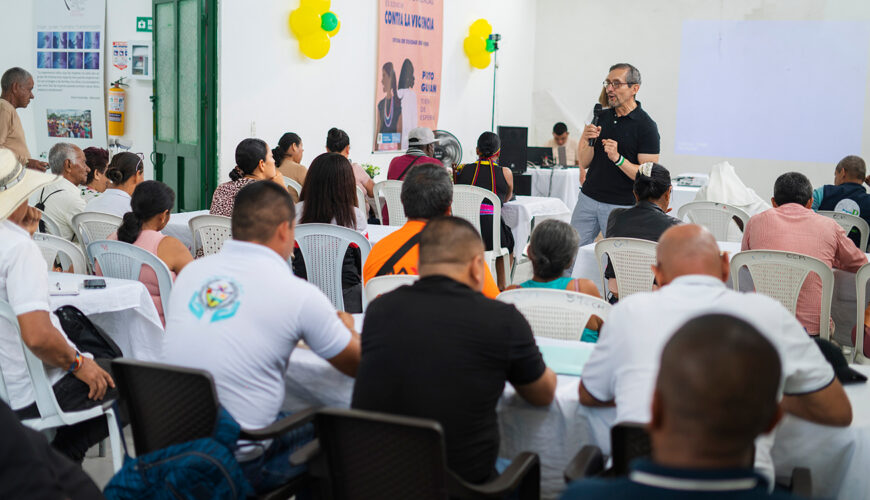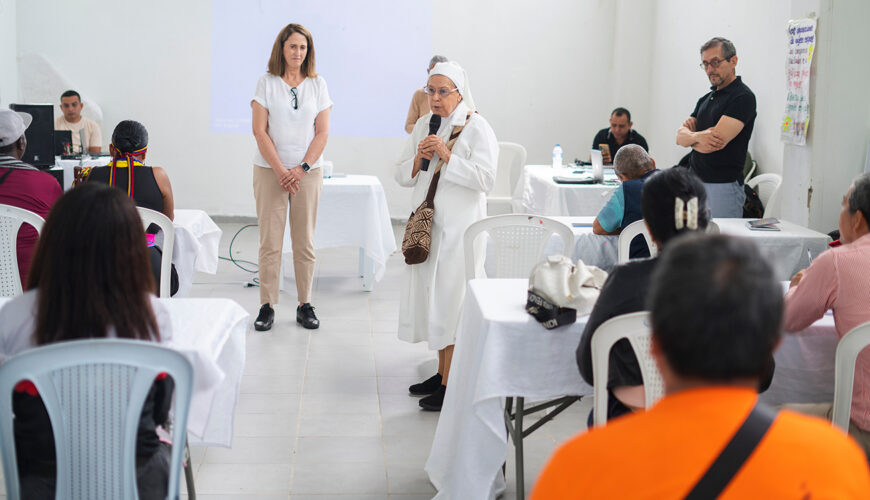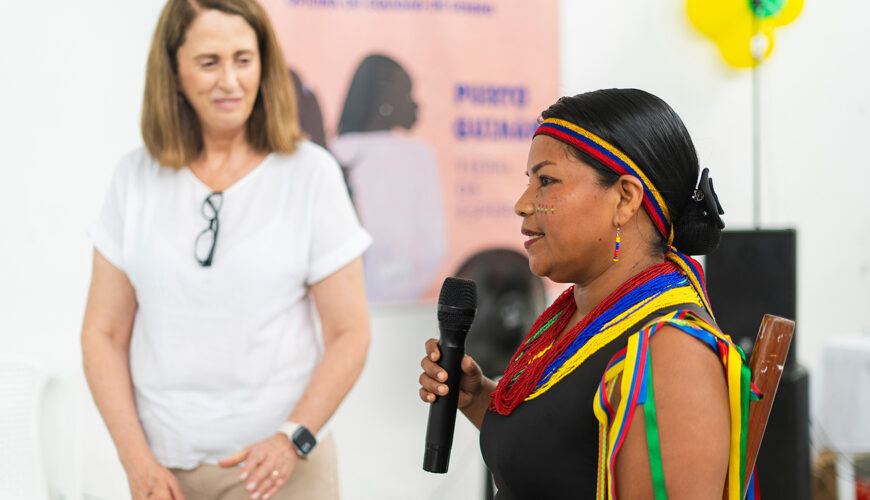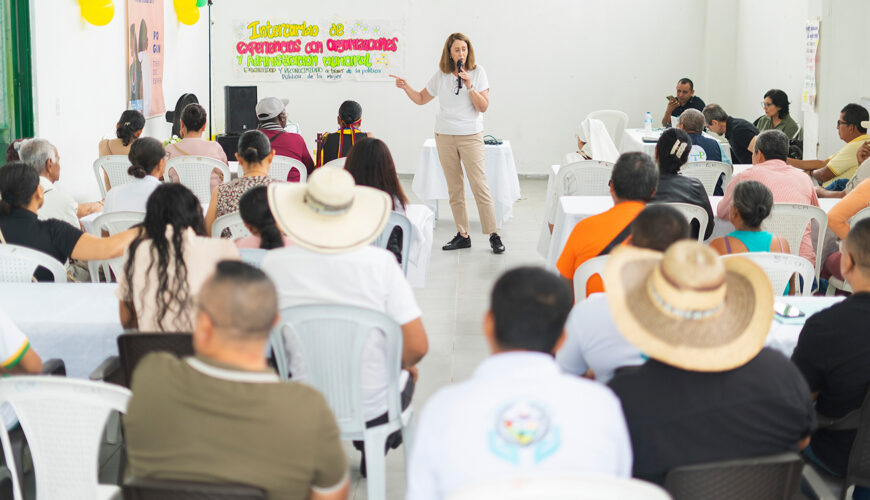
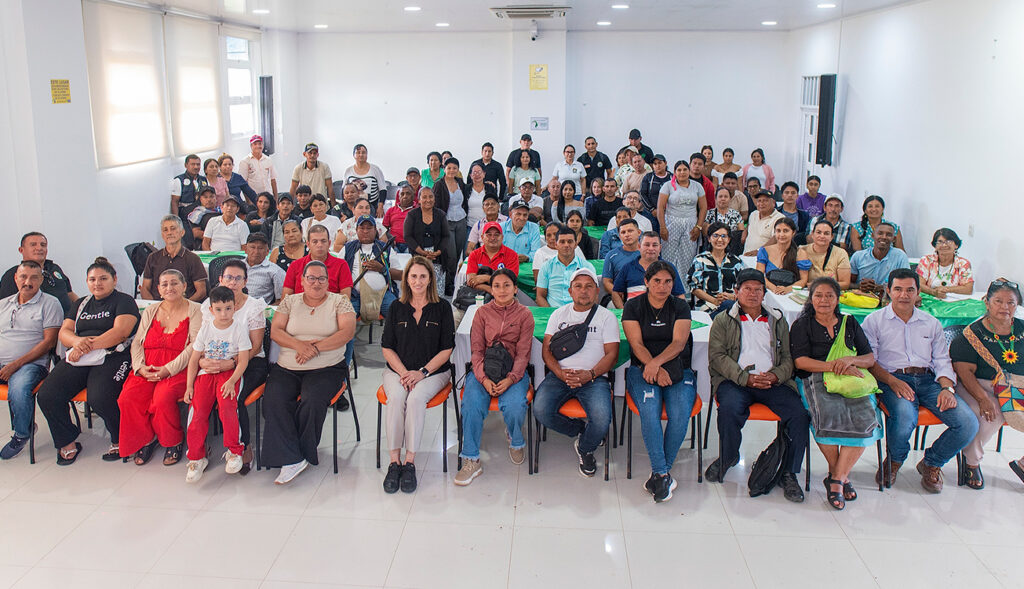
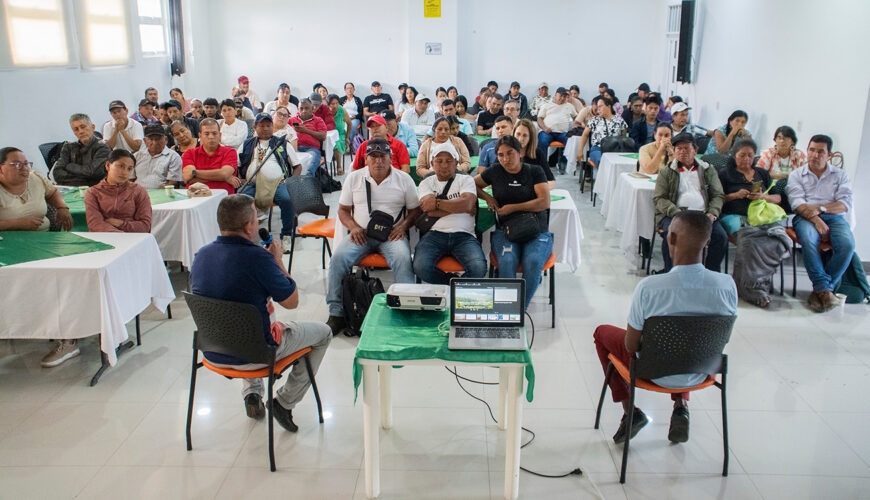
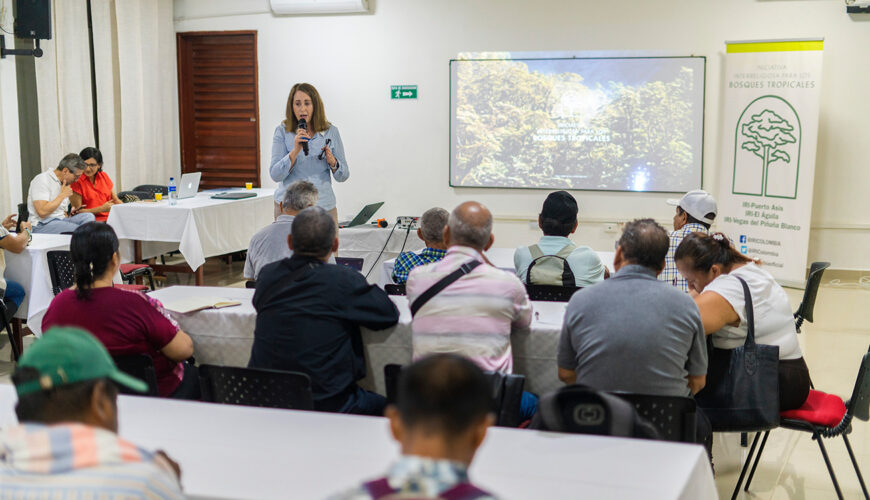
Putumayo served as the gathering place for more than 200 leaders, who participated in IRI-Colombia’s first 2026 training program, focused on agroforestry and the bioeconomy, the Orito Ingi Ande Medicinal Plant Sanctuary, and community experiences with crops through sustainable production systems.
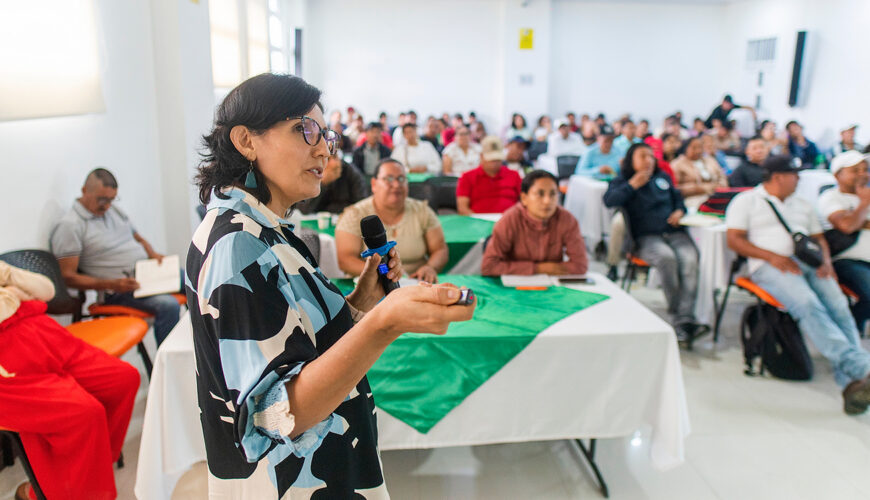
“We seek to strengthen capacities, foster a common language among different sectors, and build a foundation for joint action, because without unity there can be no transformation,” said Blanca Lucía Echeverry. Through these educational sessions, the Initiative aims to transform these leaders into a coordinated force for local advocacy, emphasized the director of IRI-Colombia, who led each of the sessions held on May 5 in Orito, May 6 in Puerto Asís, and May 7 in Puerto Guzmán.
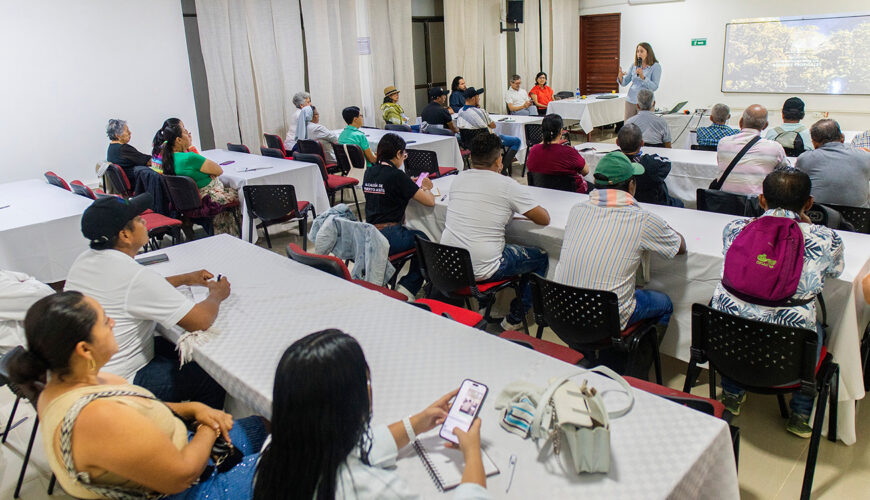
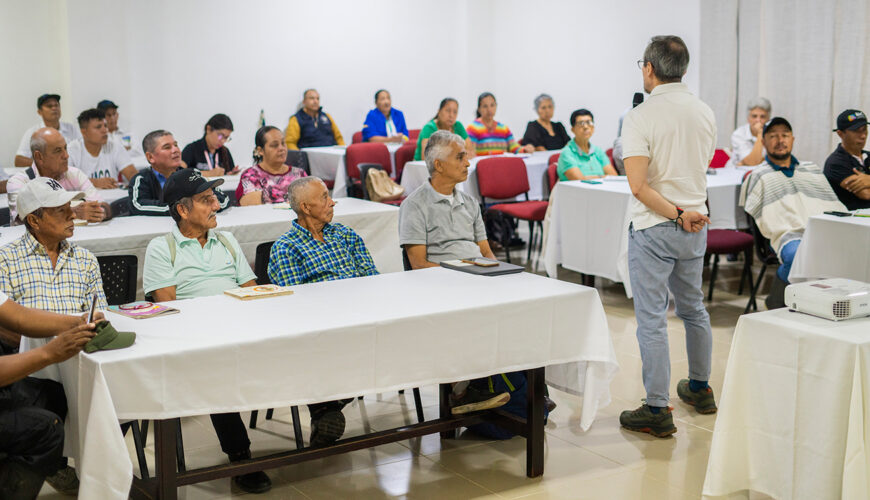
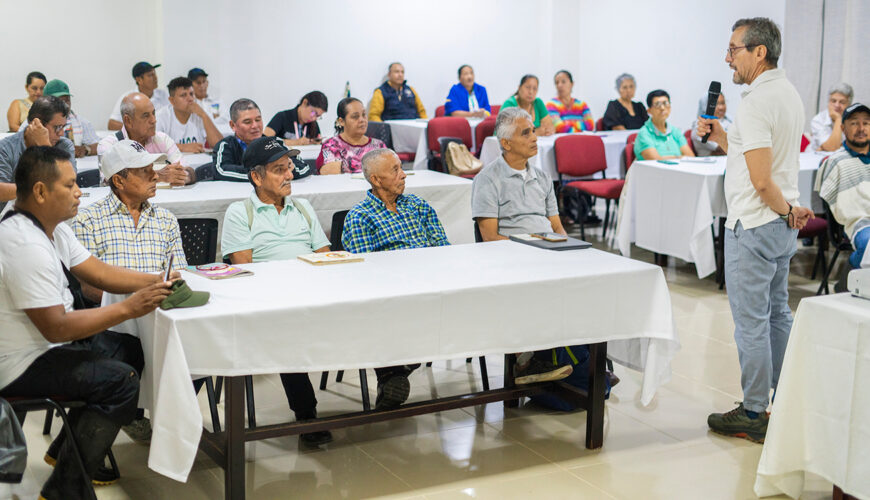
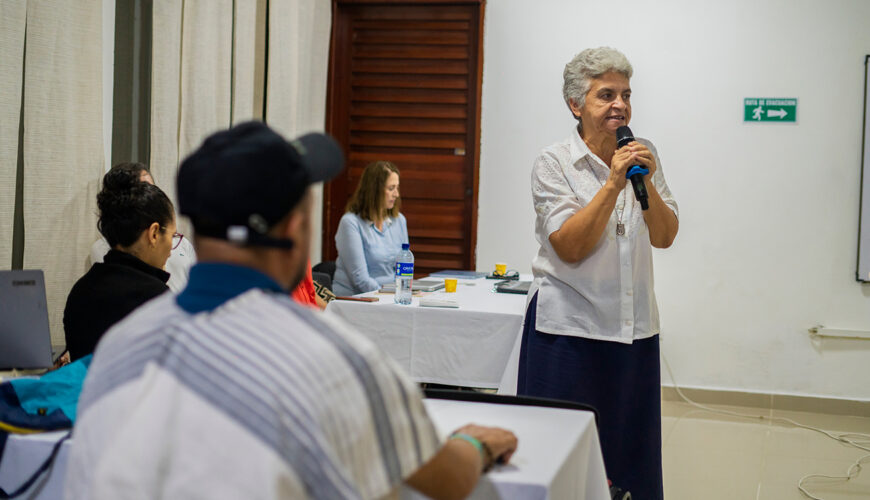
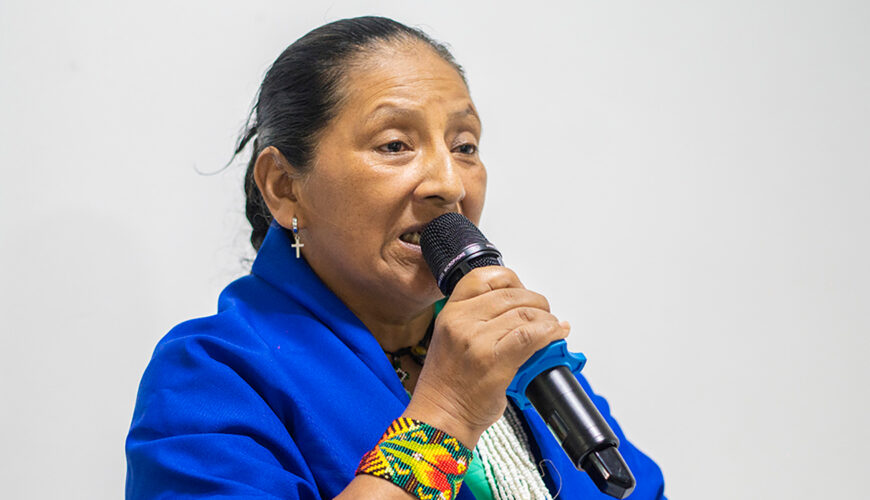
The sessions were attended by religious leaders, presidents of community action boards, indigenous authorities, teachers and school principals, and representatives of peasant associations. All are members of IRI’s local chapters in the three Putumayo municipalities, the Siberia Police Precinct, the townships of Churuyaco and Piñuña Blanco, and the villages of El Águila, Santa Lucía, and Nueva Unión.
“I have been involved in IRI-Colombia’s activities for several years, ever since I was a city councilmember. In these dialogues, we learn from one another, and that is how we strengthen our work for our region,” said Puerto Guzmán Mayor William Castillo Gutiérrez, who, along with city councilmembers Felines Arcos, Alejandro Díaz, Otoniel Morea, Luis Dagua, and Ricardo Parra, participated in the educational workshop.
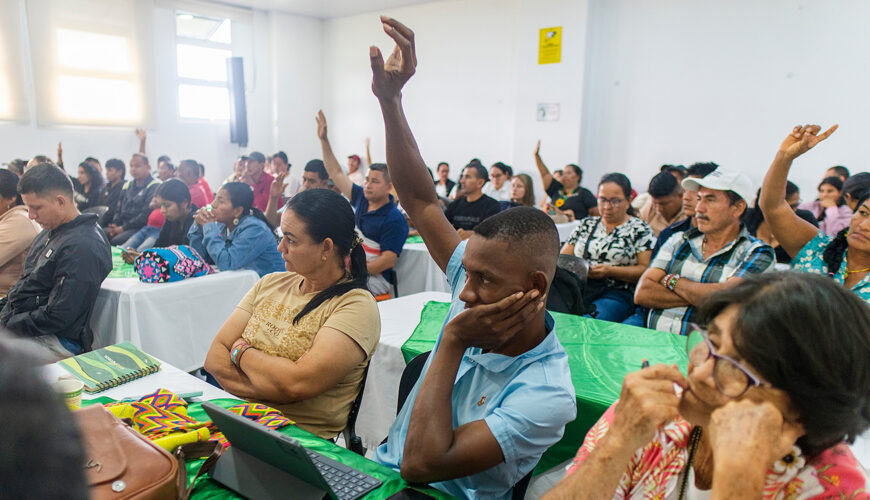
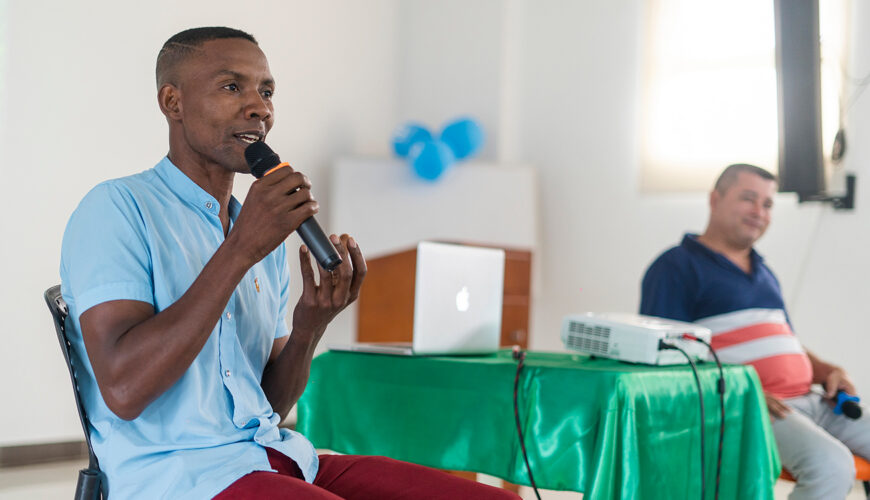
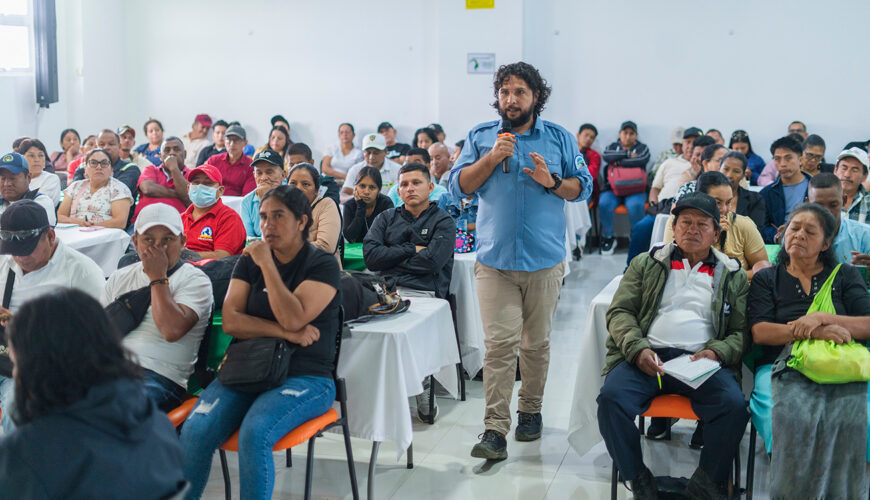
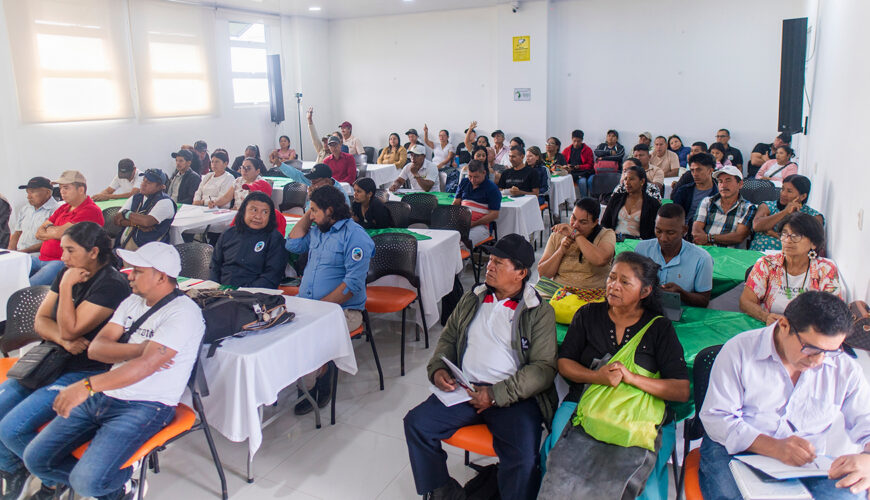
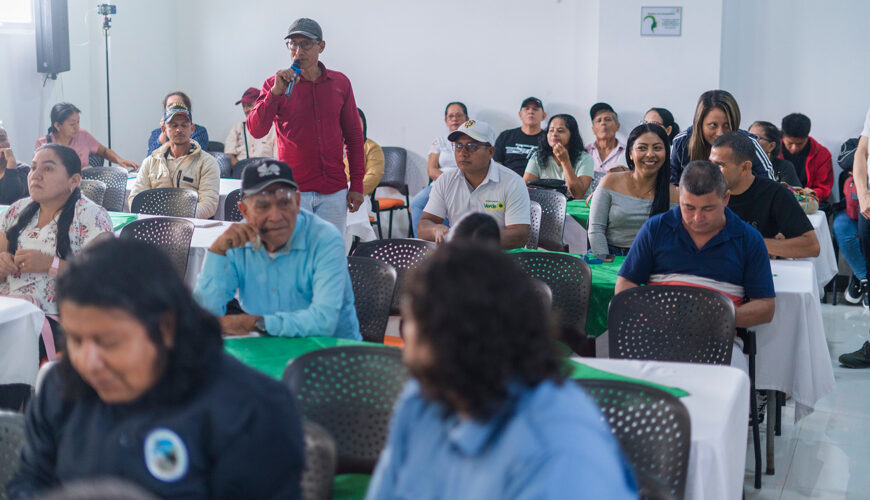
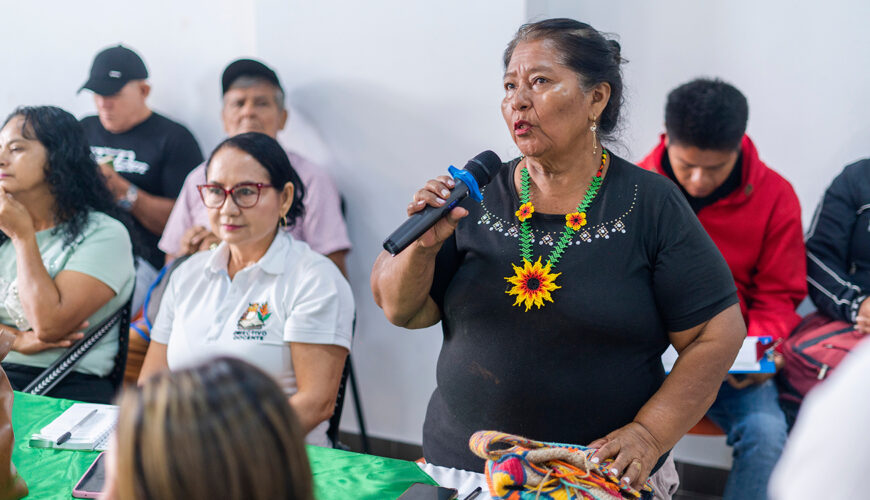
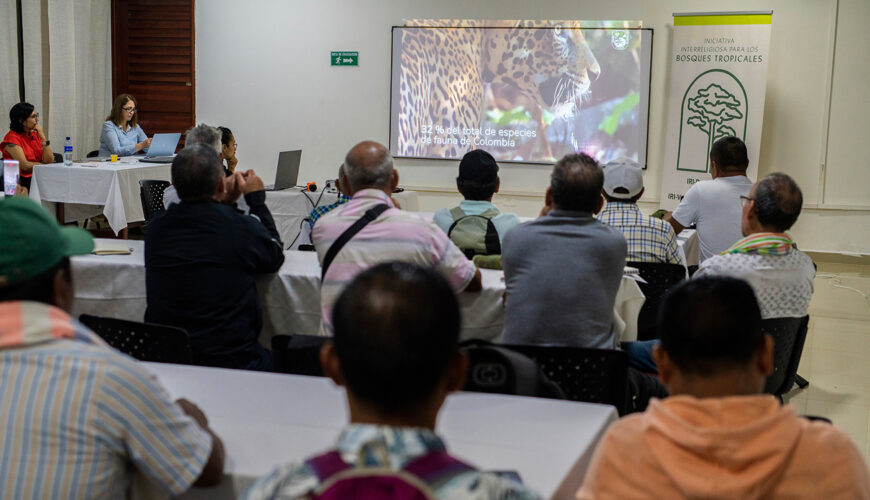
 Training process of IRI-Orito, IRI-Churuyaco and IRI-Siberia.
A Bridge Between the Andes and the Amazon
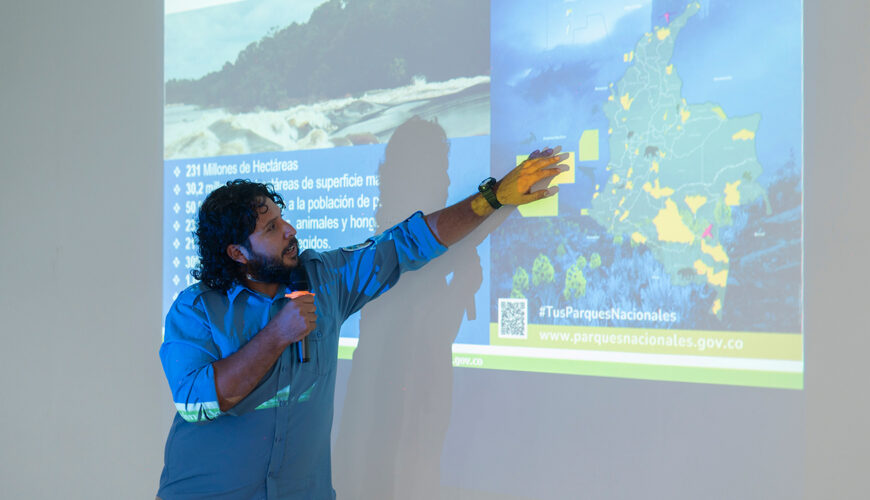
“The Orito Ingi Ande Medicinal Plant Sanctuary is a meeting point between the Andes and the Amazon,” noted Pedro Canamejoy, a specialist with Colombia’s National Natural Parks, who led a workshop on this nature reserve located between the municipalities of Orito, in Putumayo, and Pasto and Funes, in Nariño.
Its name means “our territory” and comes from the Cofán people’s A’ingae language. Along with the Inga, Siona, Coreguaje, and Kamëntsá, this indigenous community is part of the Yagé Cultural Complex, the main driving force behind the creation of this Andean-Amazonian transition zone, which was designated a protected area in 2008.
“Orito Ingi Ande is home to some umbrella species—those at the top of the food chain—which is an indicator of the territory’s health, as it shows that the area has the conditions necessary to support many other types of species,” the expert noted.
Covering an area of 10,204 hectares, the Sanctuary is known for its rich biodiversity and for contributing to the preservation of medicinal plants associated with the cultural practices of the indigenous communities that inhabit the territory. It also helps maintain the biocultural connections between the Andes and the Amazon and acts as a moisture reservoir, thanks to its cloud forests that capture water flowing toward the Amazon basin.
Landscapes That Restore
Agroforestry was the central theme of the IRI-Colombia training sessions in Putumayo, whose main objective was to empower local leaders to take action in favor of restoring the Amazon rainforest and promoting the region’s sustainable development.
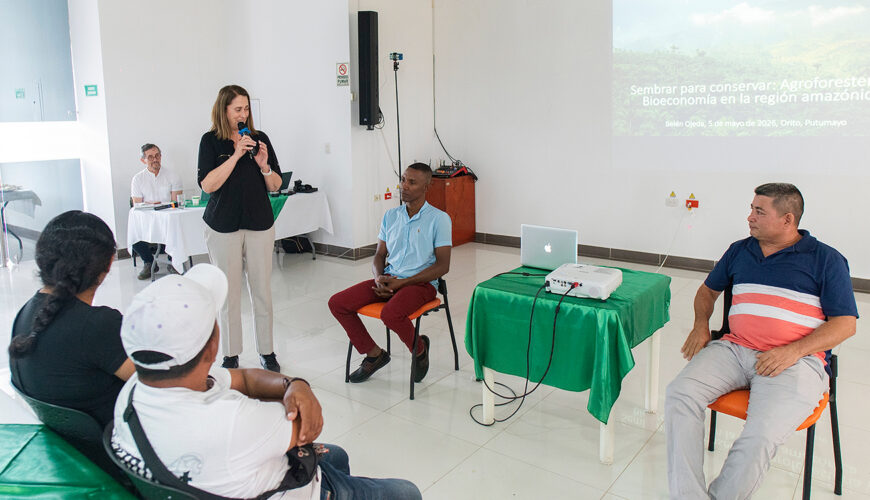
“The regeneration of landscapes begins with the regeneration of the way we think about ourselves,” noted Belén Ojeda Cruz. Guided by the geographer, members of IRI-Colombia’s local chapters delved deeper into this sustainable land management system, learning about its structure, basic characteristics, and key social and environmental benefits—such as food security for communities, climate change mitigation, and the prevention of emergencies caused by extreme weather events.
“Implementing these systems is essential for making our agricultural and productive projects more resilient to climate-related emergencies,” Ojeda added.
During the workshop, the expert in Landscape Ecology and Nature Conservation also discussed the geographic and ecological characteristics of the Amazon basin, the Colombian Amazon, and the Putumayo forests, as well as deforestation trends in the region.
“Knowledge of the area, the selection of land and plant species, and crop planning are essential to the implementation process,” explained Yamid Mera, coordinator of Amazon Ecological Restoration for Conservation International Colombia’s Naturamazonas program, who presented some agroforestry initiatives in the municipality during the training session in Puerto Guzmán.
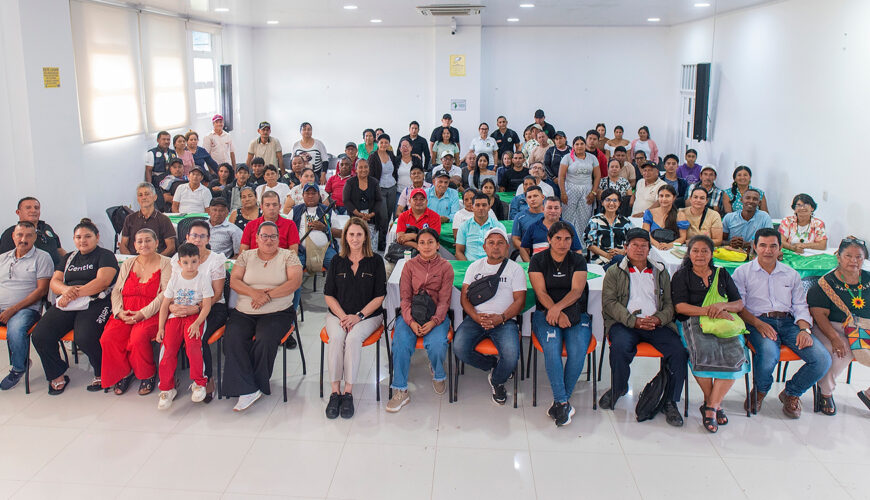
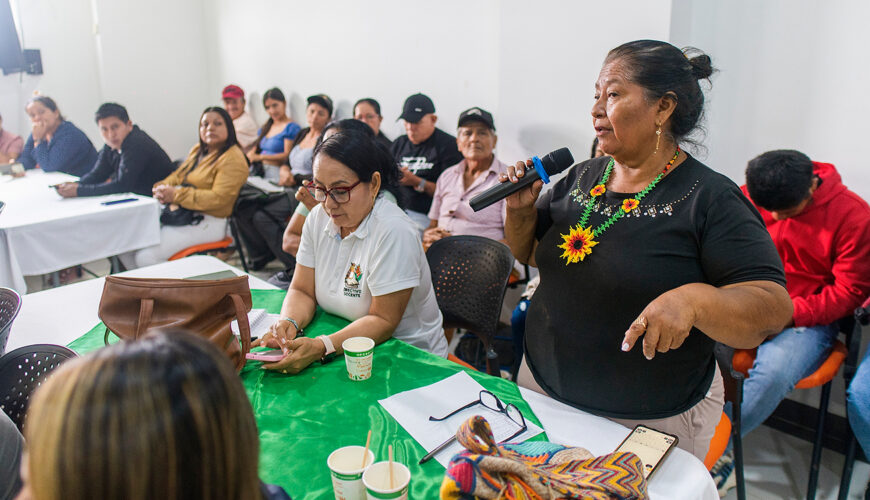
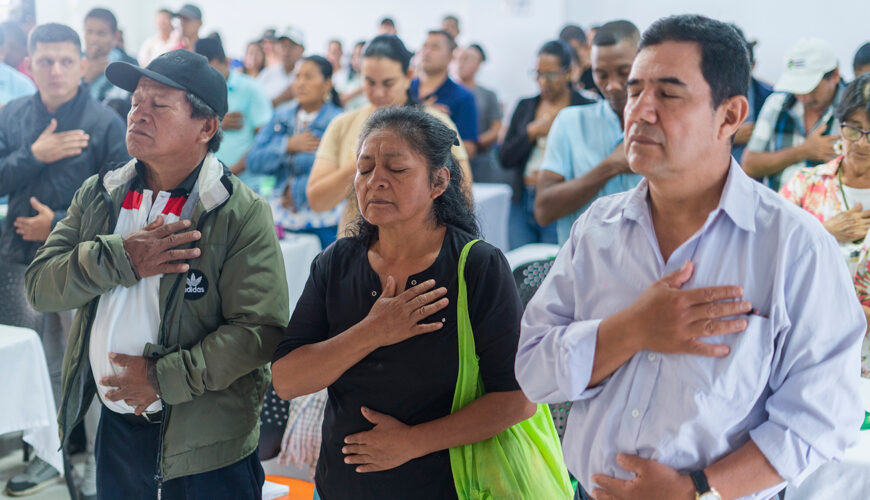
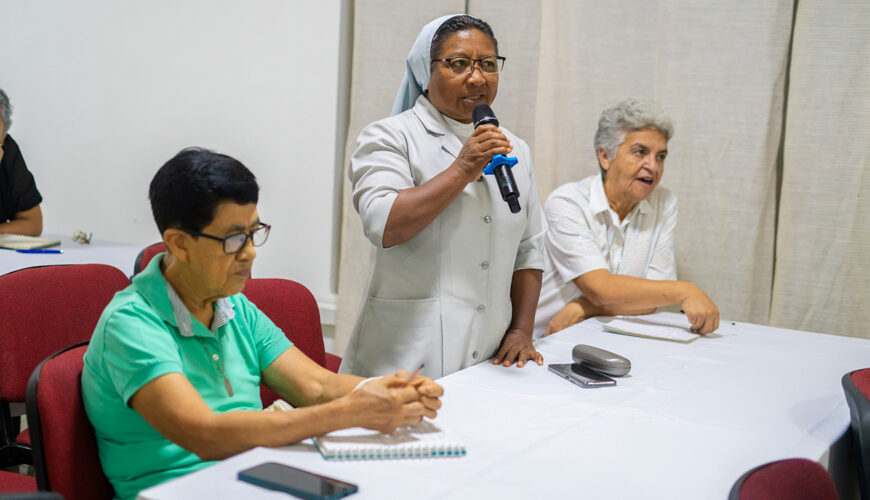
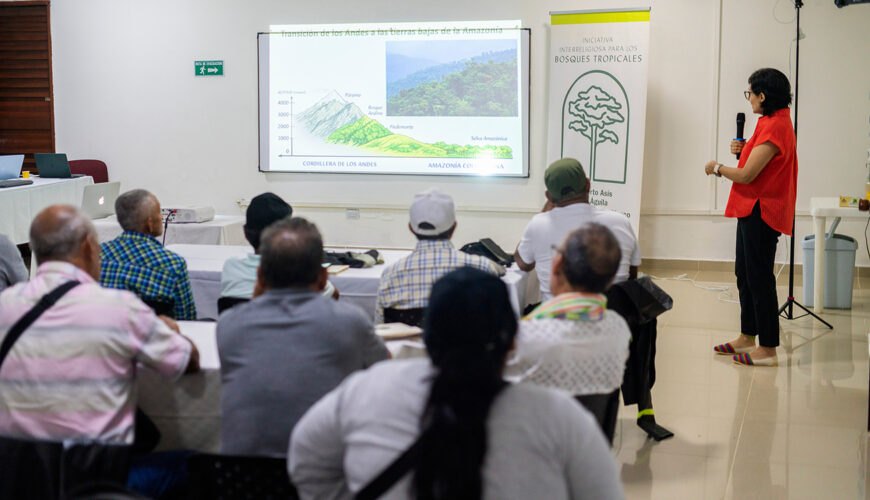
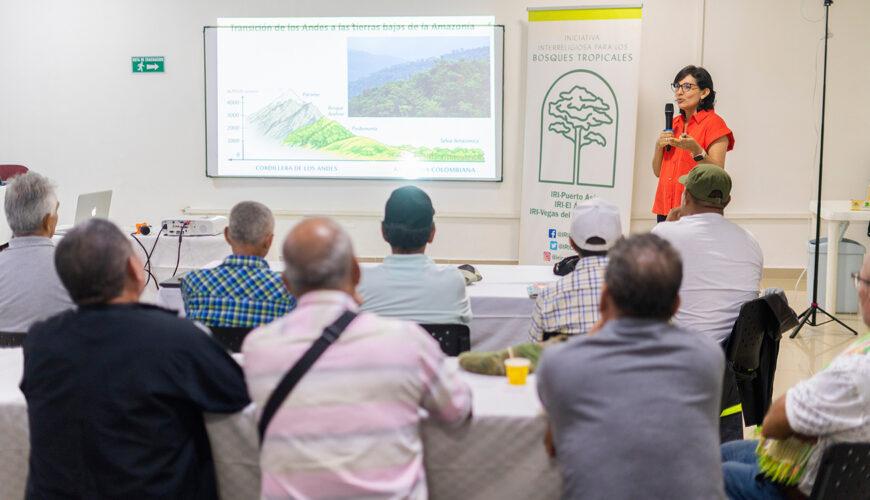
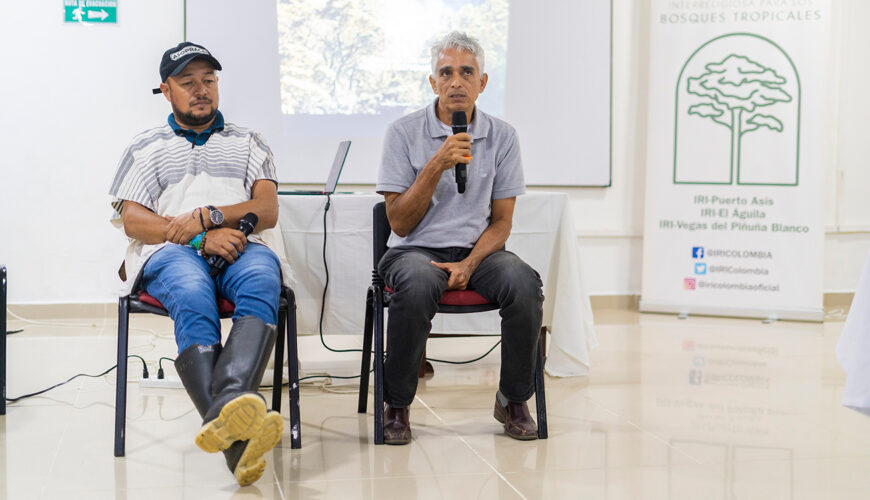
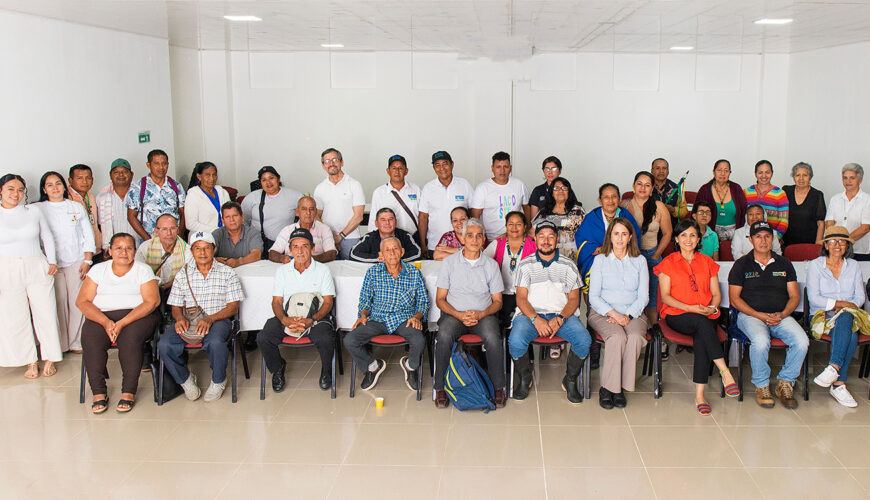 Training process IRI-Puerto Asís, IRI-Piñuña Blanco and IRI-El Águila.
Stories from the Field
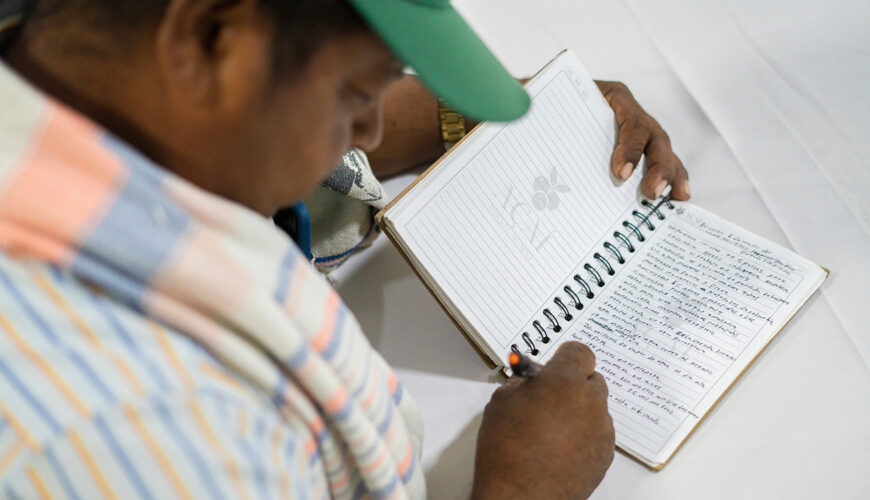
With the aim of providing members of its local chapters with a more realistic view of the process of implementing agroforestry systems—including the challenges involved and the positive impact on both communities and the territory—IRI-Colombia invited representatives from various farmers’ associations.
In Orito, Alexander Caicedo, legal representative of the La Ruta del Chocolate tourist farm, and James Andrés Uribe, president of the Orito Cacao Producers Association (ASOPROCAO), shared their experience with sustainable cacao production.
In Puerto Asís, the event was attended by Yimi Roa, from the Association of Açaí and Palm Heart Producers and Harvesters (ASOPRACAI), and Olver Antonio Carbonel, from the Association of Sacha Inchi Producers of the Municipality of Puerto Caicedo (ASOPROSAOP) and the Putumayo Multi-Activity Agribusiness Cooperative (COOMULTIAGROP), who spoke about the development of their ventures focused on the production of Amazonian fruits.
“Although we don’t do it officially, every member of our association is committed to caring for the forest. Over the years, we’ve been able to witness the regeneration of these degraded lands,” said Cristina Ospina. Together with Eunice Rivera, from the El Progreso Agricultural Association (ASOPROS), and Élbano Héctor Erazo, from the El Muelle Plantain Growers Association, they shared their experiences, lessons learned, and future expectations regarding the production of organic plantains and cacao in Puerto Guzmán.
“Through a Naturamazonas project, I reforested six hectares. I planted timber and fruit trees to provide food for the animals. When you put your heart into it, you can achieve things, but training is essential. A farm is a business, and if you put your heart into it, things work out,” concluded Erazo.
Read the Spanish edition of the May 2026 IRI Bulletin here.
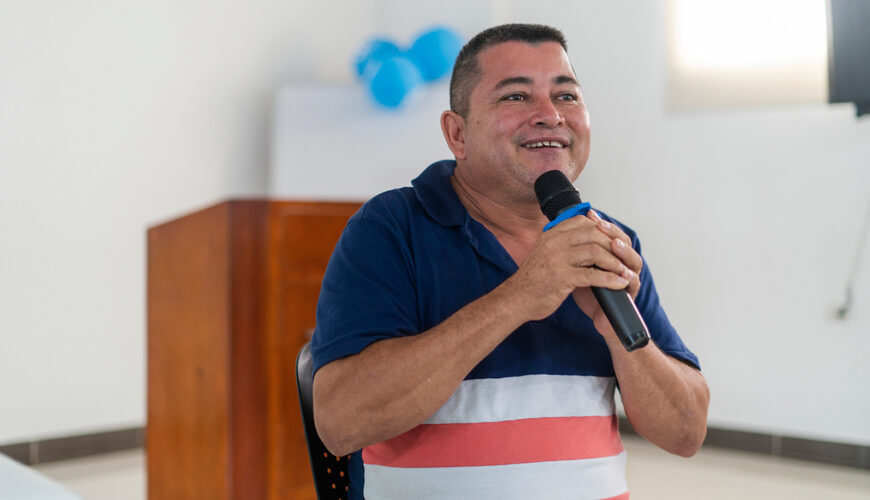
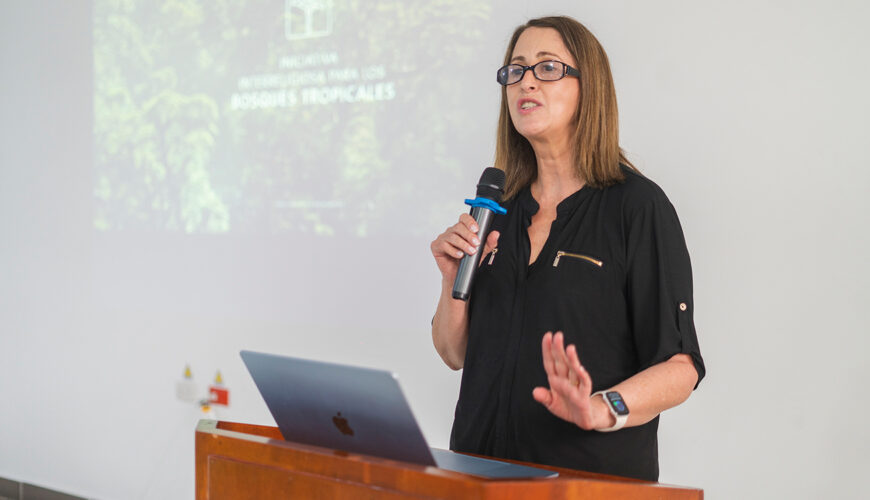
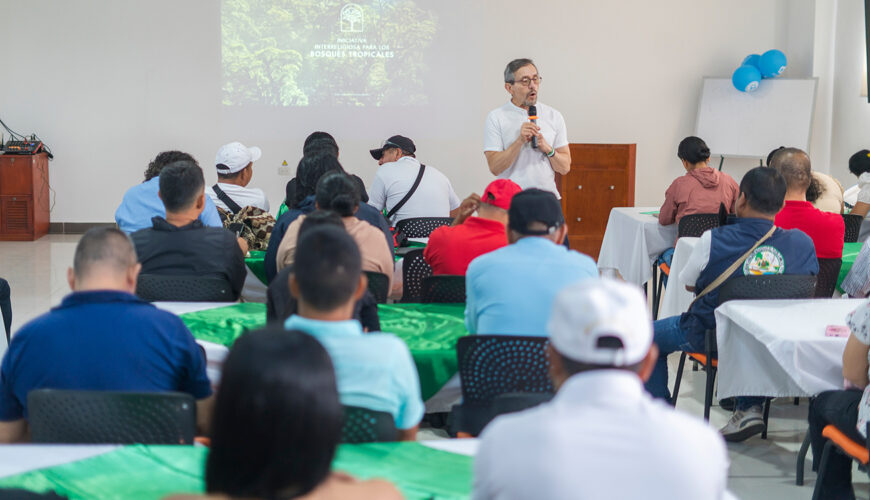
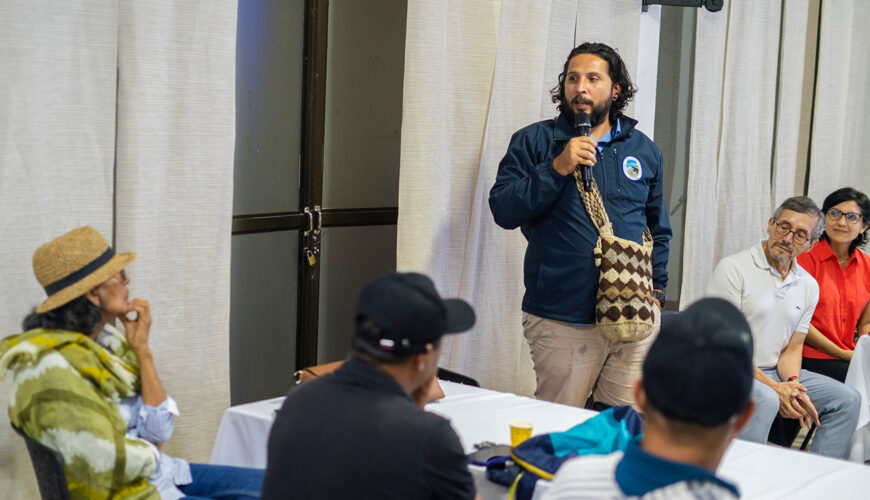
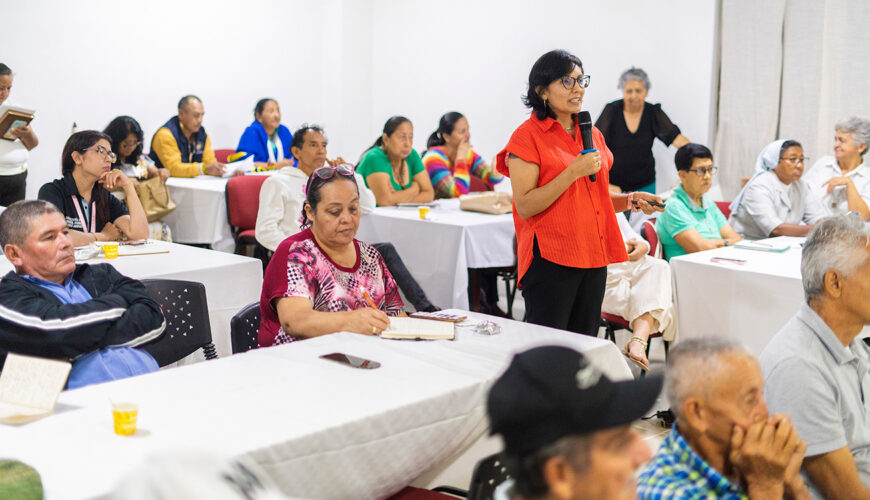
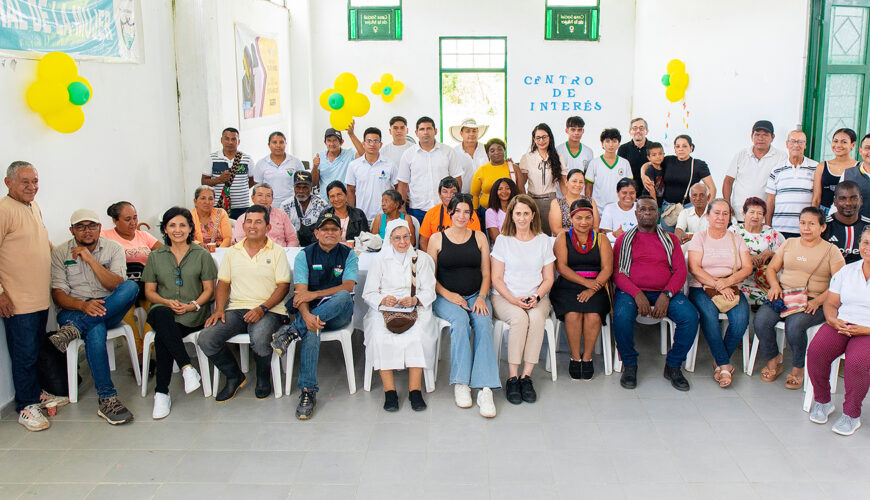 Training process of IRI-Puerto Guzmán, IRI-Santa Lucía e IRi-Nueva Unión.