
Curillo, Cartagena del Chairá, Puerto Rico, and San Vicente del Caguán hosted a new training cycle organized by the Interreligious Initiative for Tropical Forests (IRI-Colombia).
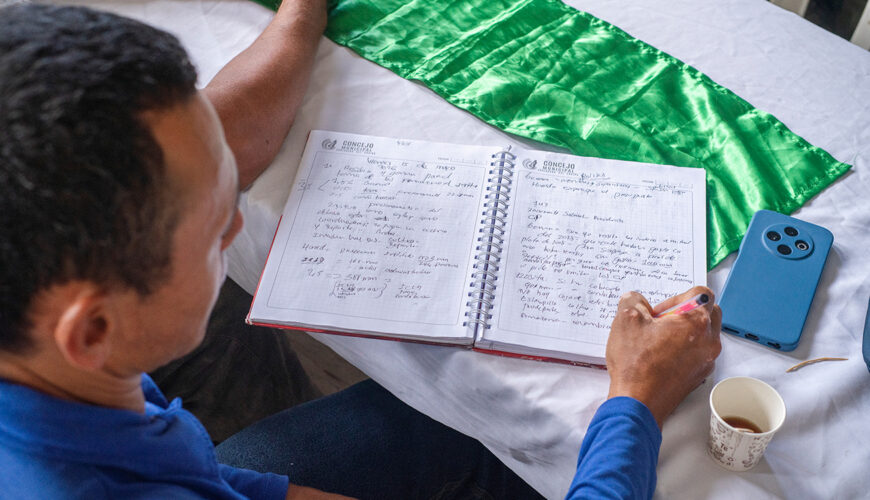
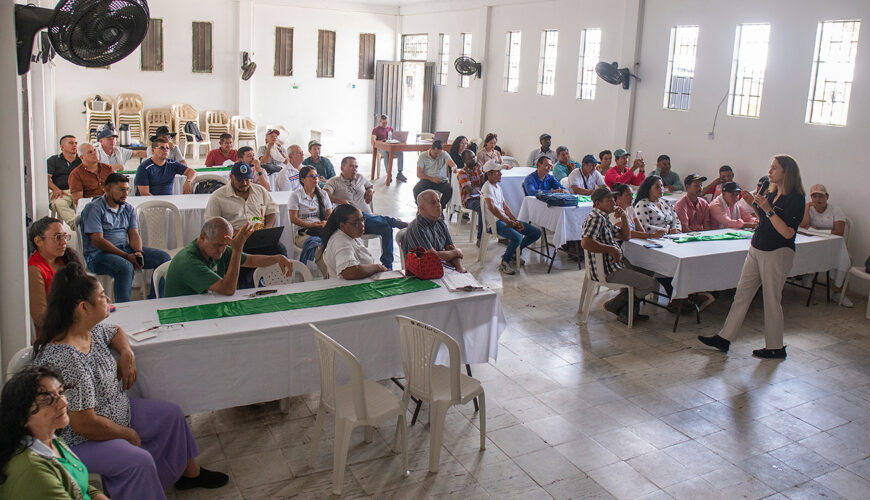
This series of capacity-building workshops, held May 19–22, aimed to provide members of the twelve local chapters of IRI-Colombia in these Caquetá municipalities with the conceptual tools needed to protect the Amazon rainforest and promote the creation of productive projects that allow communities to live off the forest without harming it, ensuring their economic sustainability while guaranteeing that the Amazon continues to provide us with essential ecosystem services such as water, air, rainfall regulation, and climate stability
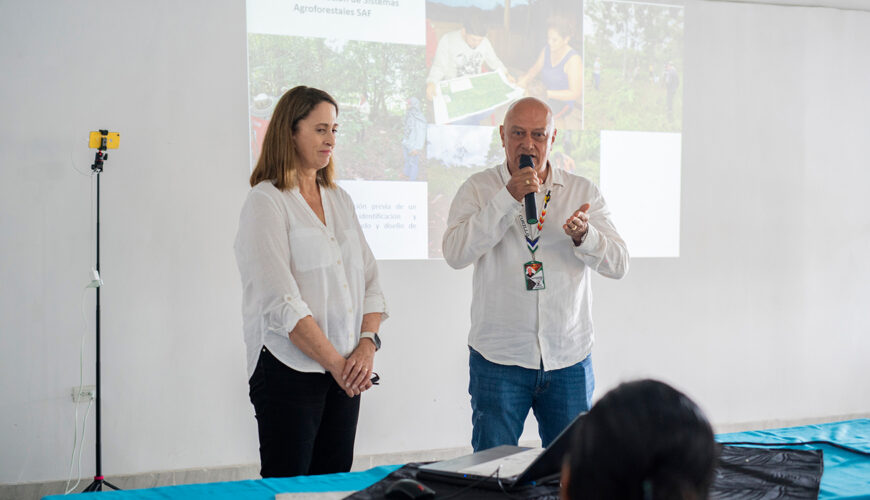
“IRI-Colombia firmly believes that defending forests cannot be done solely from behind desks or from large cities. The protection of the Amazon is built here, in the territories, with the communities, local governments, churches, young people, farmers, and the peoples who inhabit and love this land,” emphasized Blanca Lucía Echeverry.
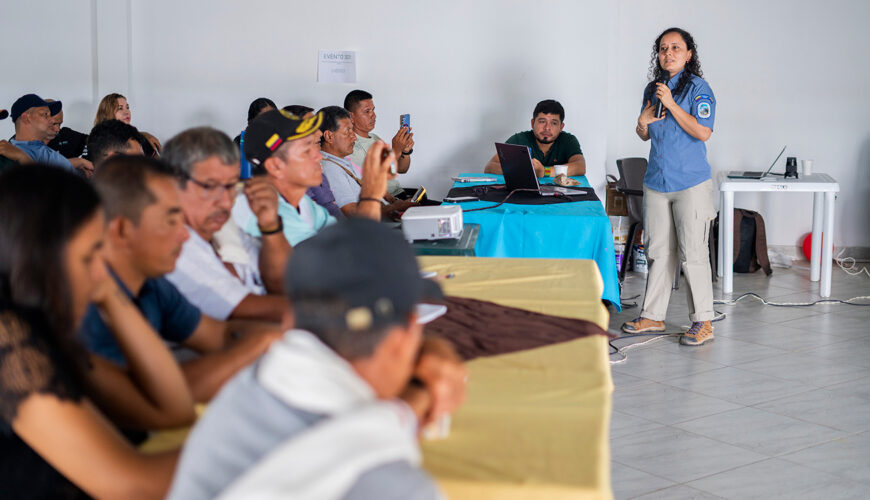
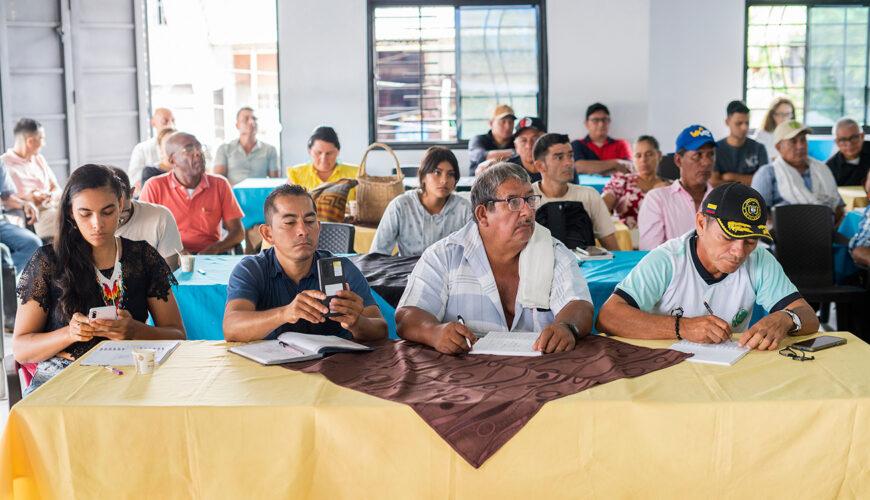
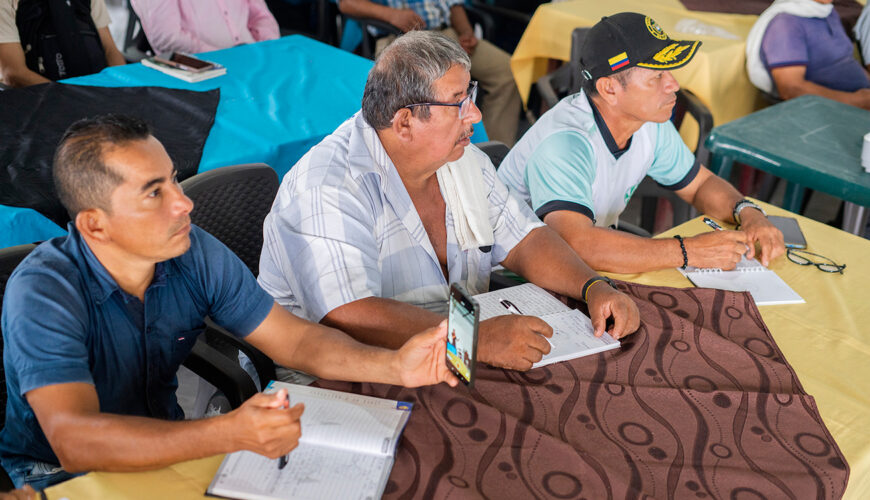
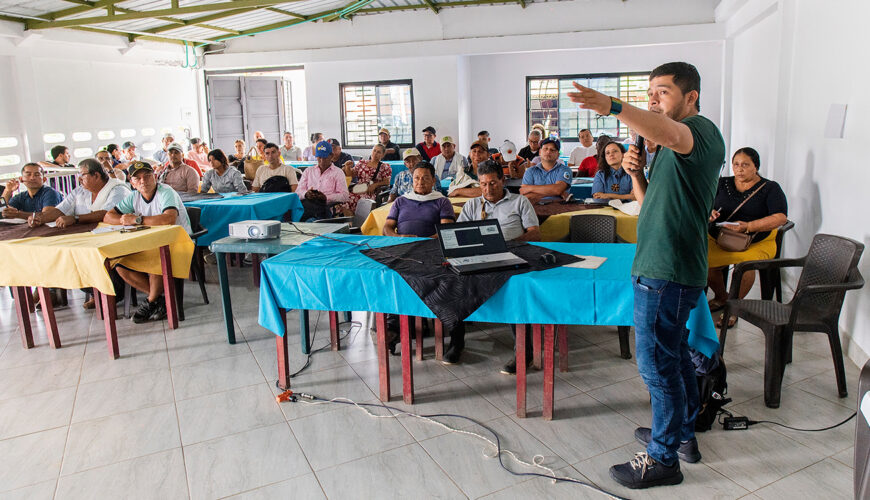
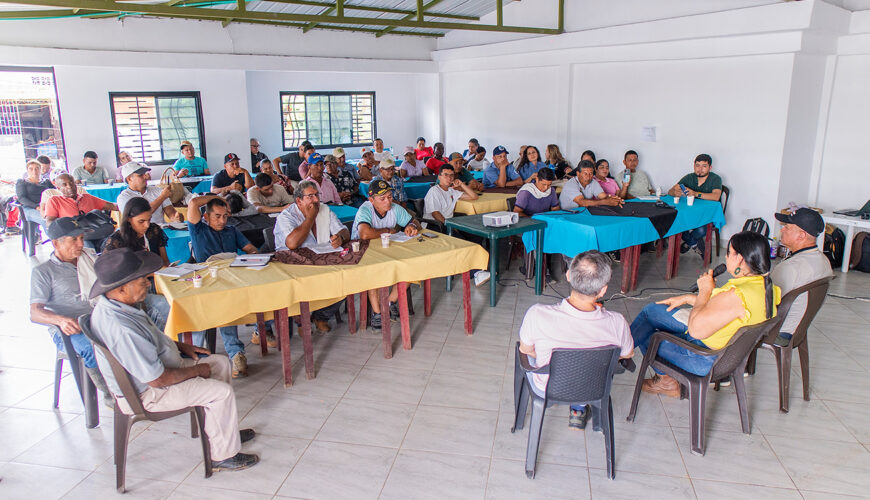
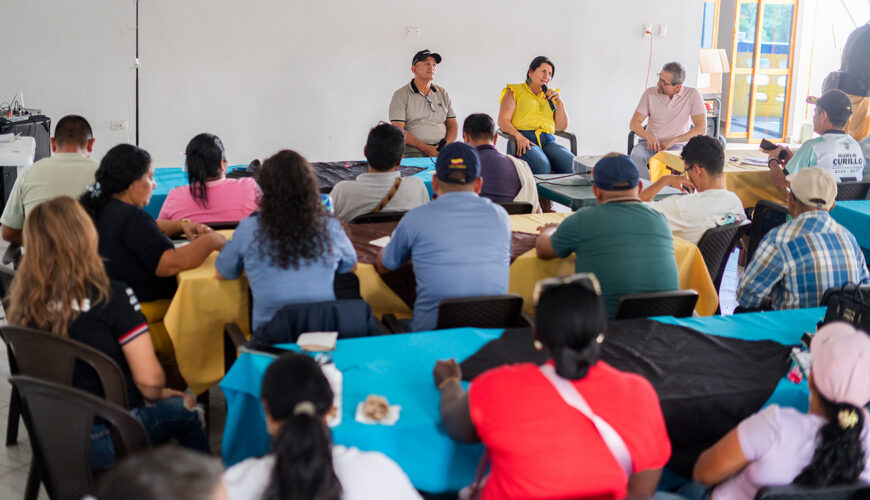
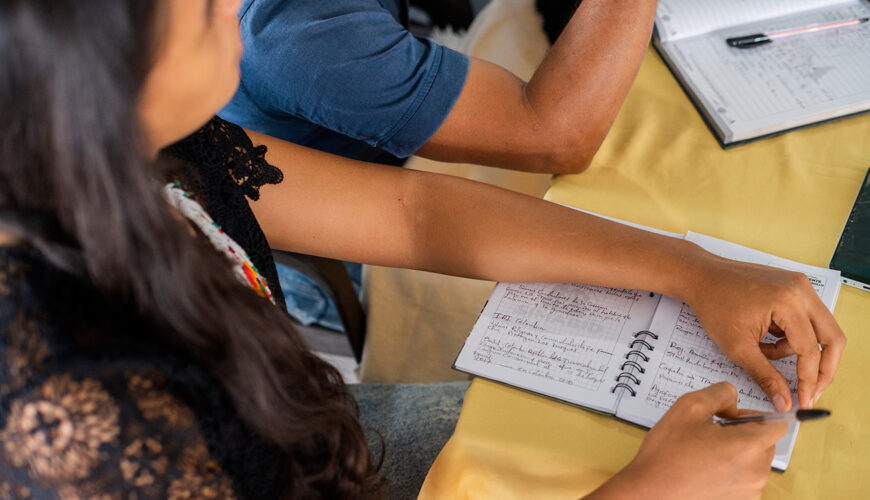
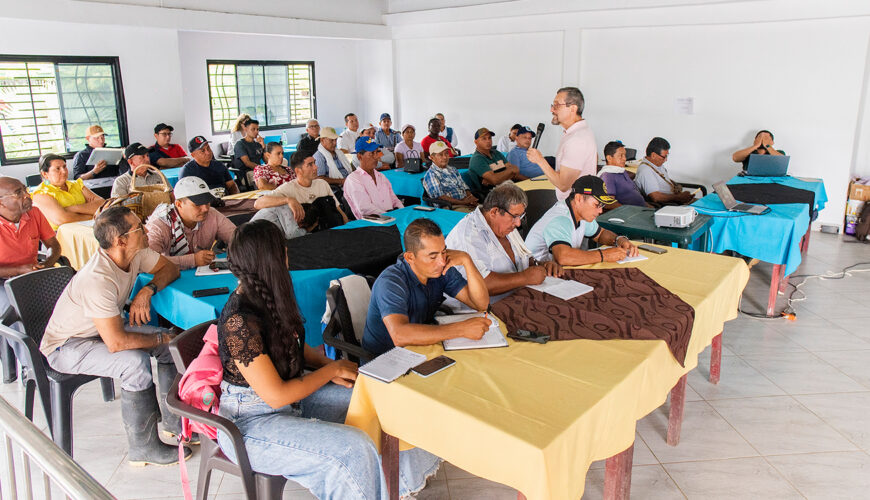
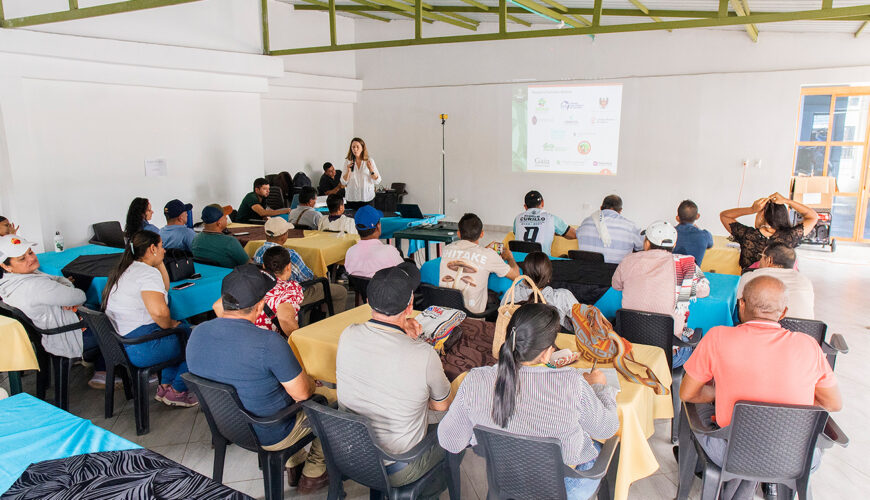
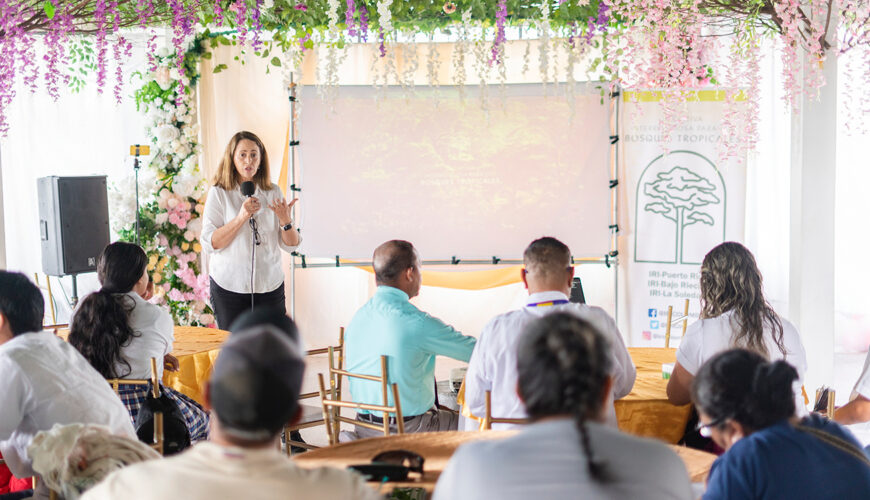
The director of IRI-Colombia welcomed the 231 participants to these educational sessions, which consisted of two components: a conceptual component, which included a workshop on agroforestry and another on Colombia’s National Natural Parks; and a knowledge-sharing component, focusing on successful community-based agroforestry projects that contribute to food security and protect the forest.
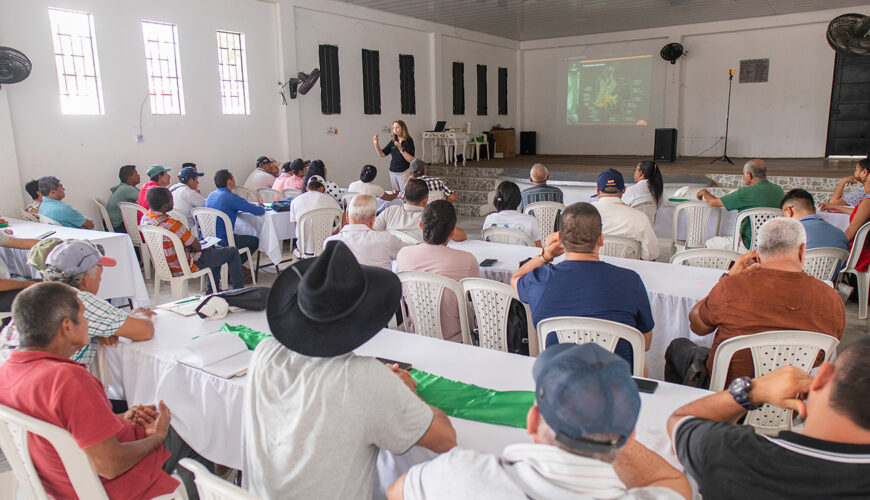
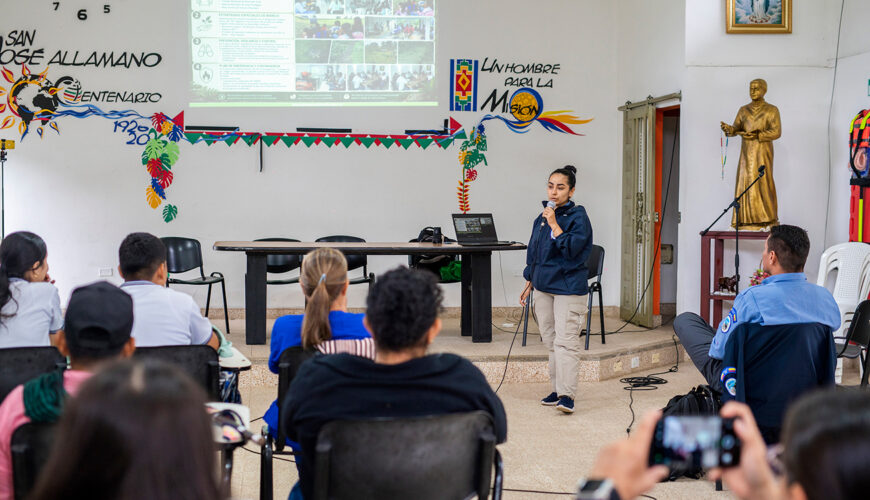
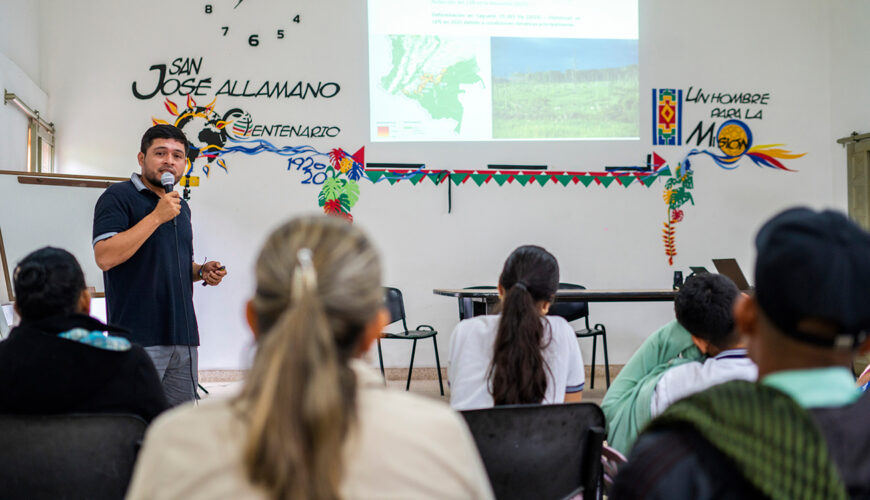
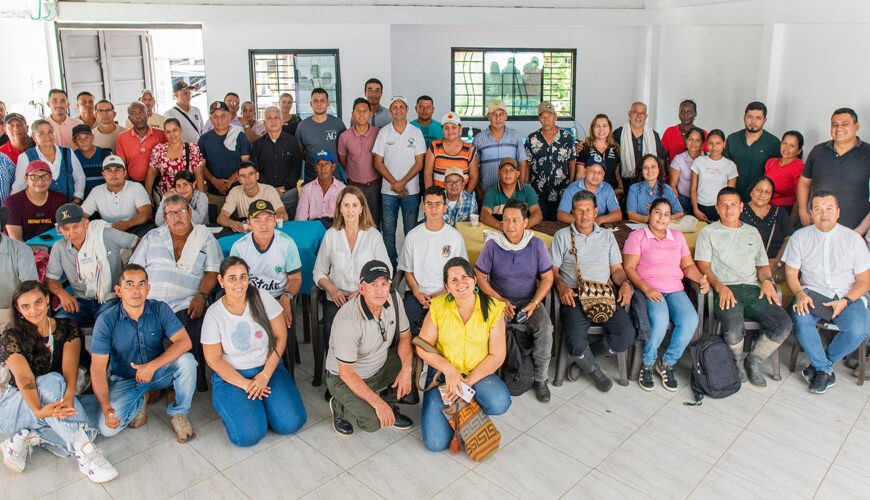 Training process of IRi-Curillo, IRI-Núcleo Horizonte and IRI-Mayoyoque.
A Sustainable Future for Forests
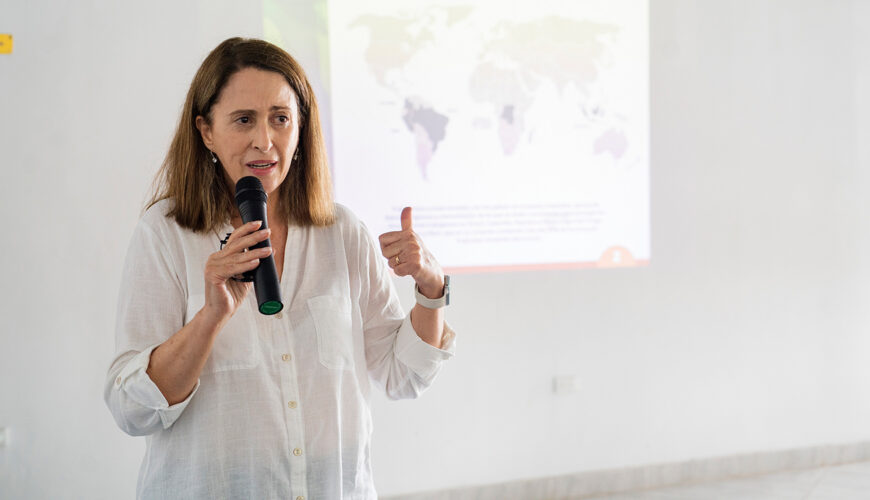
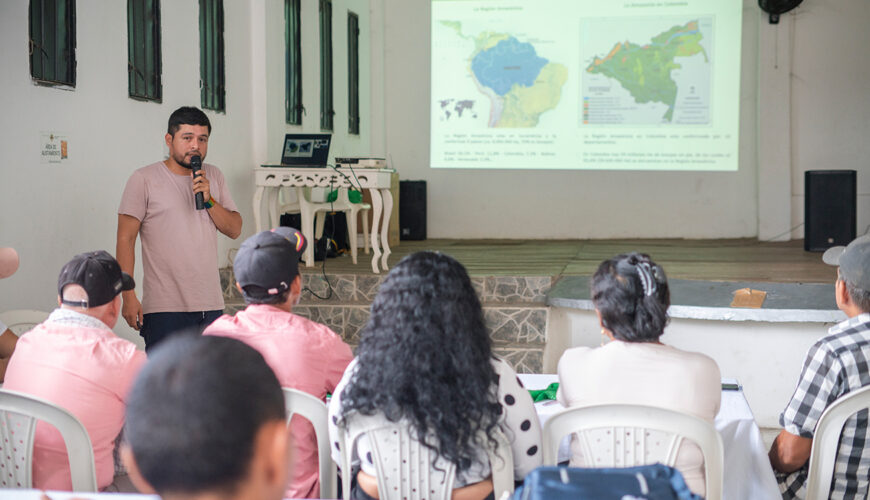
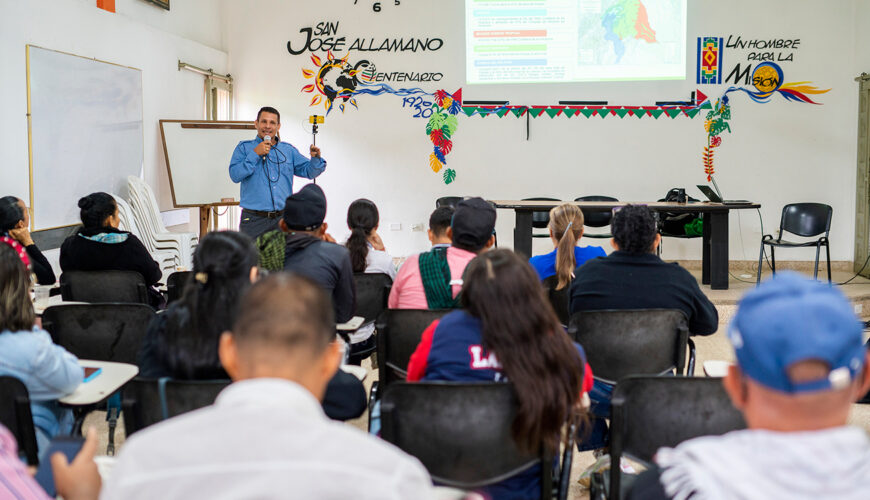
“Amazonian soil is naturally suited for forestry, which makes it very fragile. Without vegetation cover, it loses the stability of its soil aggregates—that is, organic matter and nutrients—rendering it unproductive, leading to biodiversity loss and disruption of the water cycle,” explained Mario Angulo González, a field specialist with the Heart of the Amazon program at the Ministry of Environment and Sustainable Development, who led the agroforestry workshops.
During his presentation, the agroecological engineer from the University of the Amazon addressed the basic concepts of this sustainable land management system, the types and models of agroforestry systems, and the social and environmental benefits, among other topics. “Agroforestry isn’t just about planting trees; it’s about designing systems that mimic the structure of the Amazon rainforest,” said the expert, who also addressed the leaders’ concerns regarding aspects such as the types of species that can be cultivated, crop cycles, the challenges, and the technical factors that must be taken into account when implementing this type of project—which, among other benefits, helps restore the ecological connectivity of the Amazon rainforest.
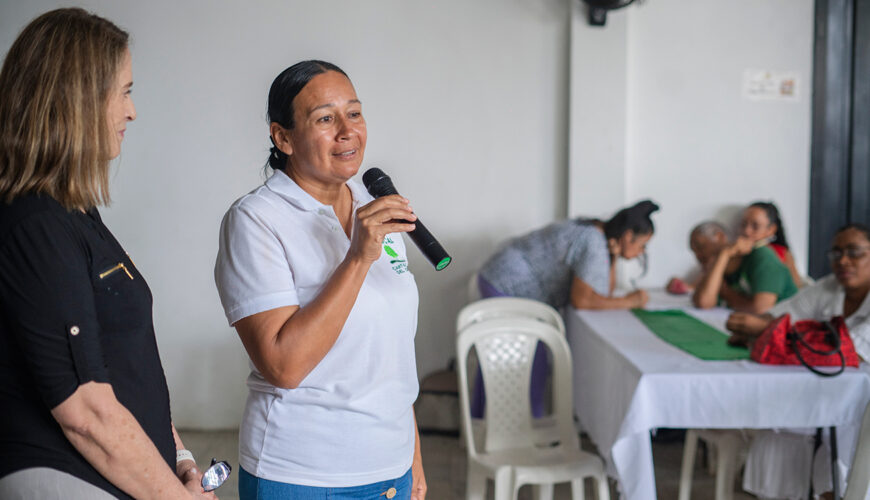
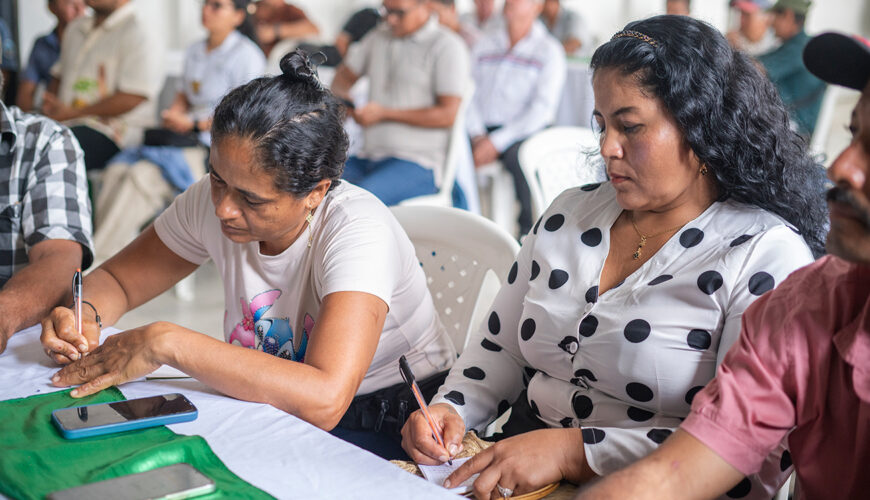
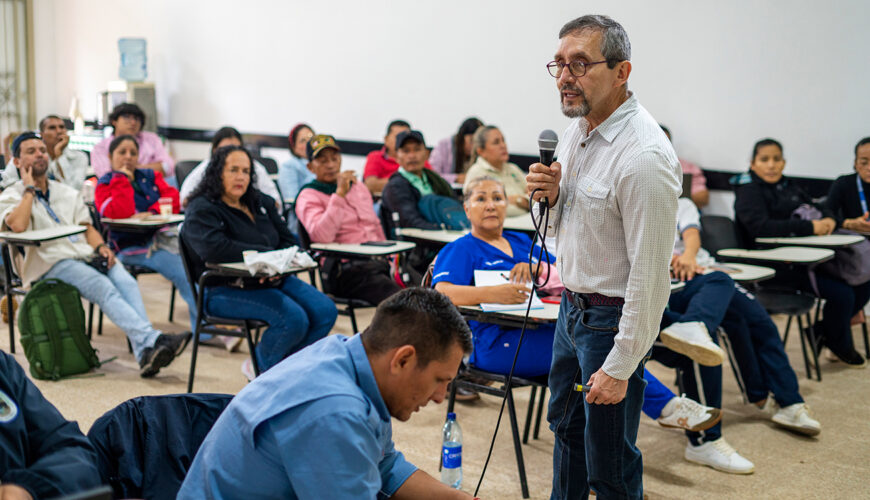
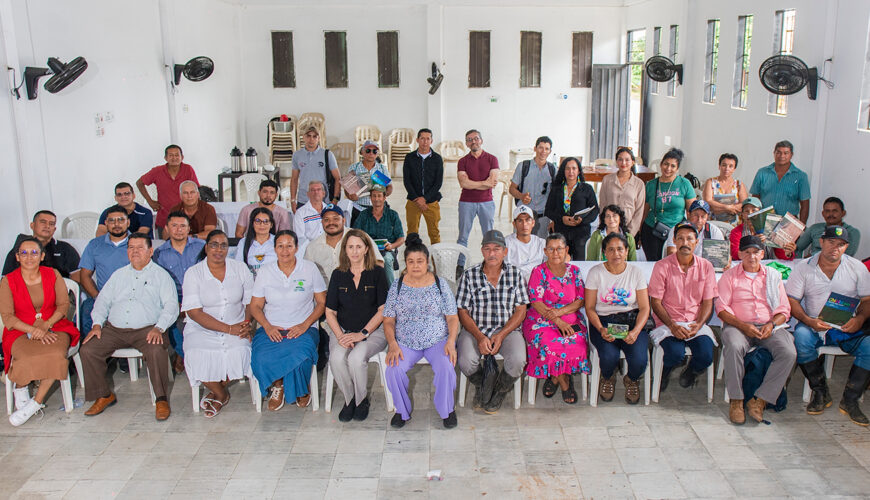 Training process of IRI-Cartagena del Chairá, IRI-La Primavera and IRI-Remolinos del Caguàn.
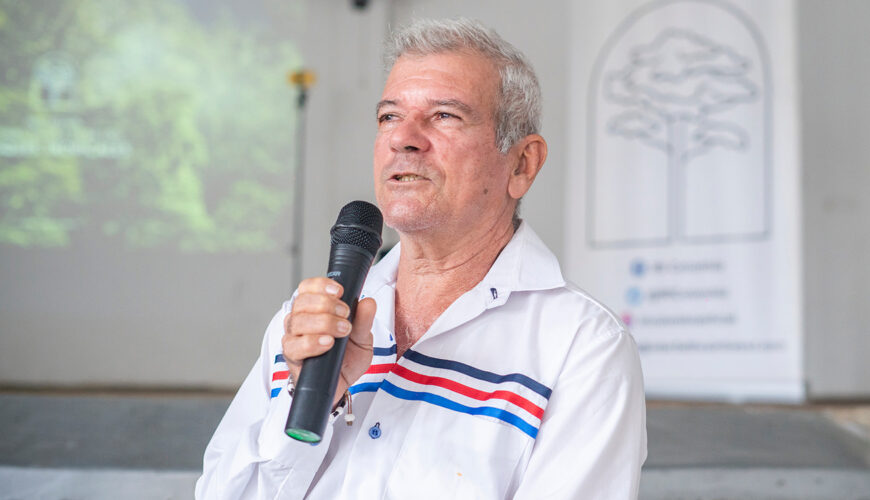
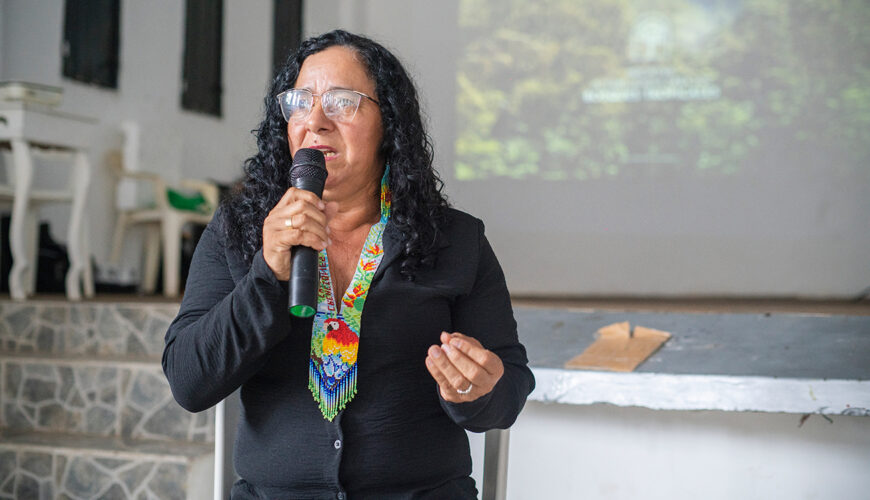
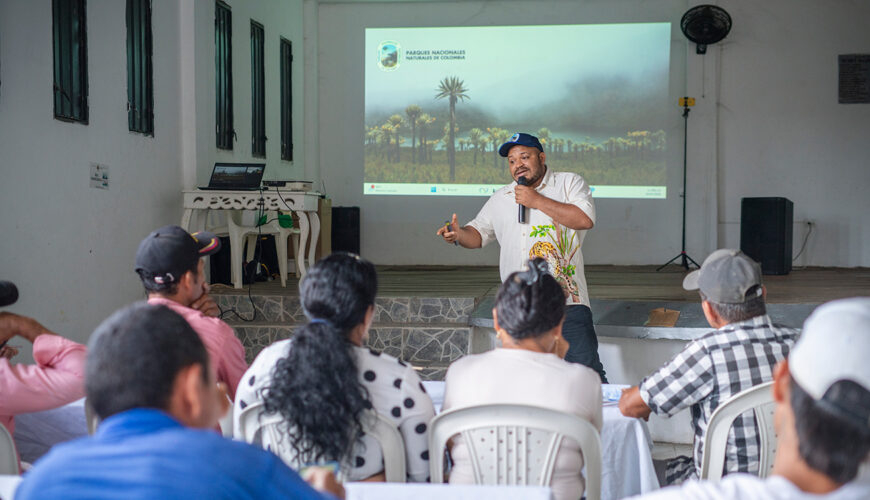
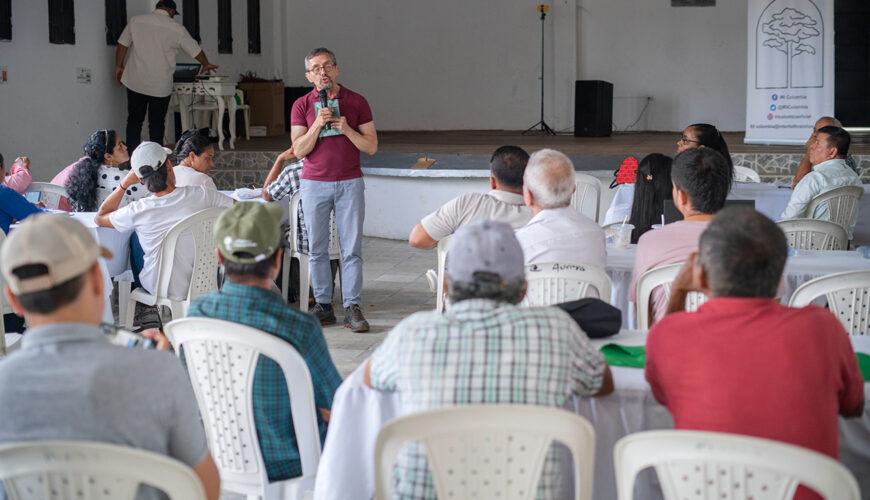

Natural Treasures of Caquetá
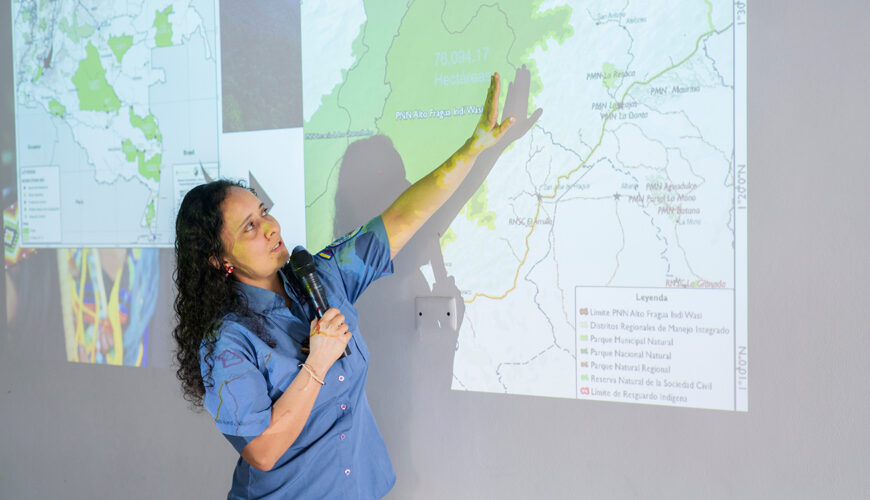
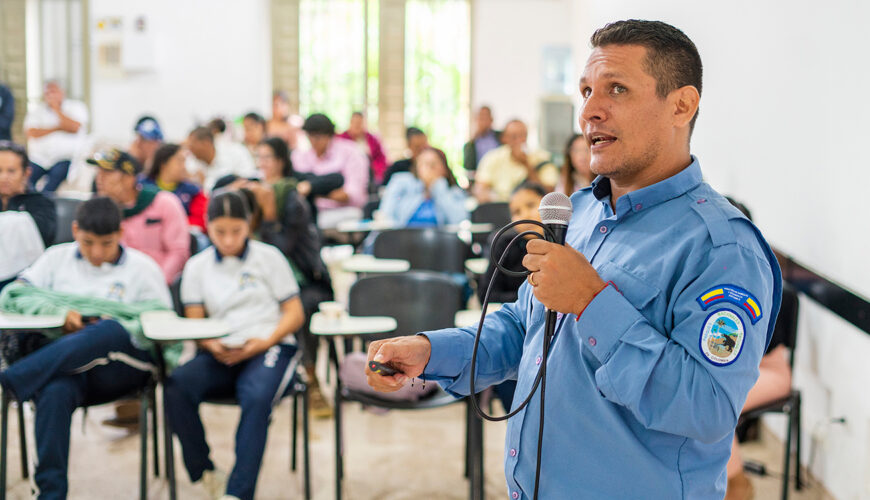
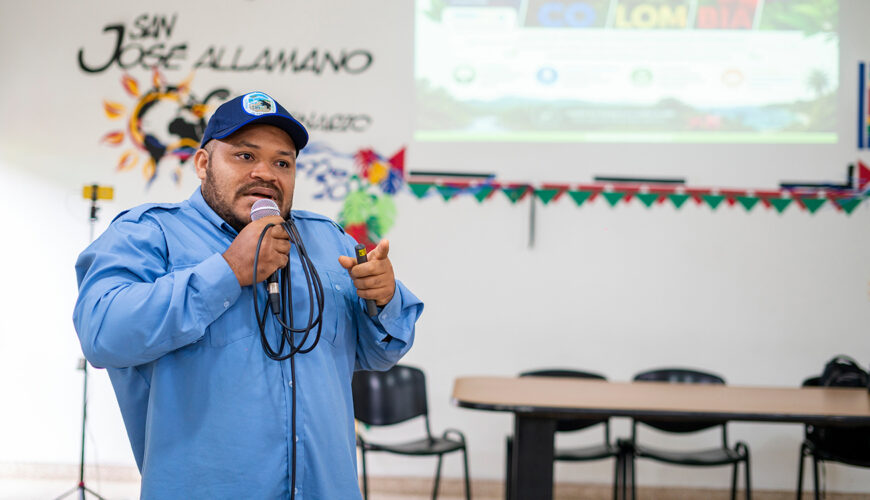
In the Colombian Amazon, more than ten million hectares of forest are safeguarded as protected areas. “Preserving them means protecting biodiversity, the ecosystems of this biome, the water system, and ecological connectivity,” emphasized Diego Andrés Caicedo. Together with Angélica Carvajal, they led workshops on the National System of Natural Parks and presented some of the protected areas located in the department of Caquetá.
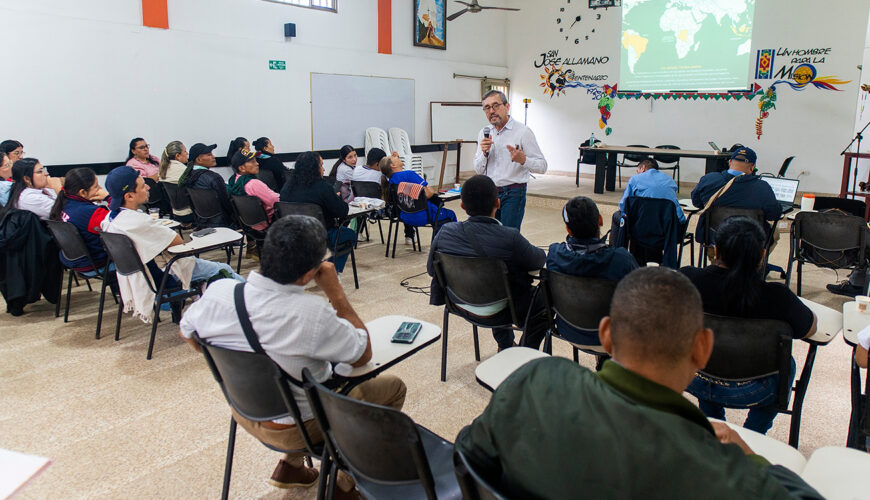
Experts from Colombia’s National Natural Parks discussed the geographic, biological, ecological, and cultural characteristics of the Alto Fragua Indi Wasi National Natural Park, which is part of the Guafrachu ecosystem node—also comprising the Serranía de los Churumbelos Auka-Wasi National Natural Park and the Cueva de los Guácharos National Natural Park; the Miraflores-Picacho Regional Natural Park, the first protected area designated in the Amazon—administered by Corpoamazonía—; and, of course, the Serranía de Chiribiquete National Natural Park, designated a Mixed World Heritage Site for its ecological and cultural value, home to various indigenous peoples and uncontacted communities, and guardian of a cultural heritage spanning thousands of years.
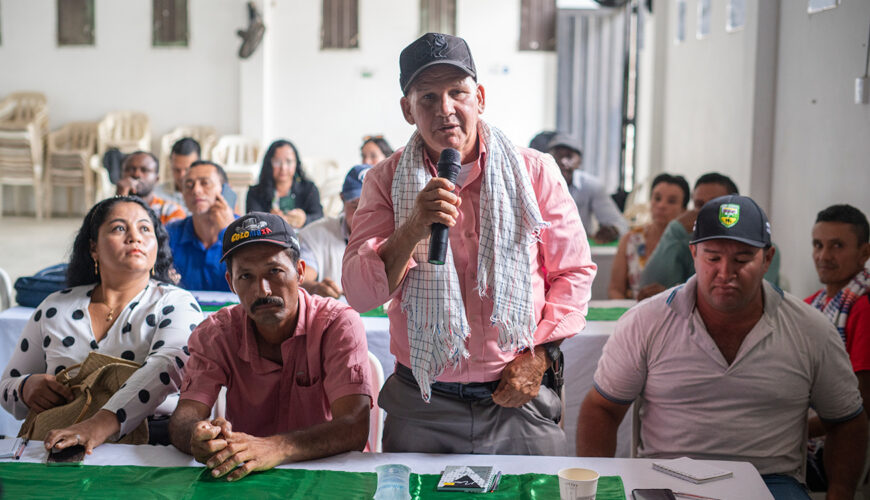
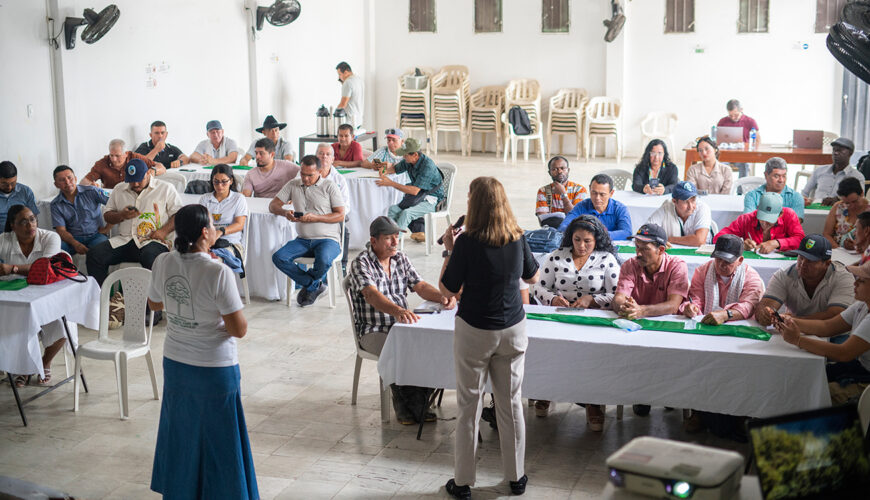
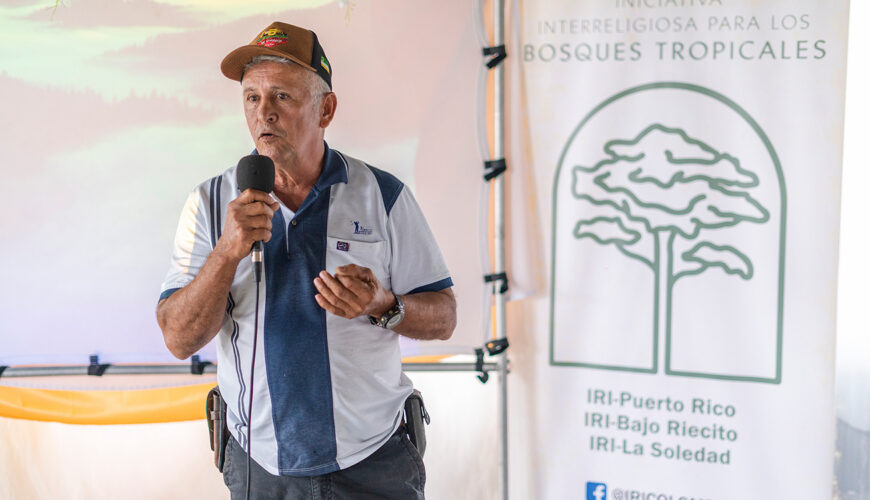
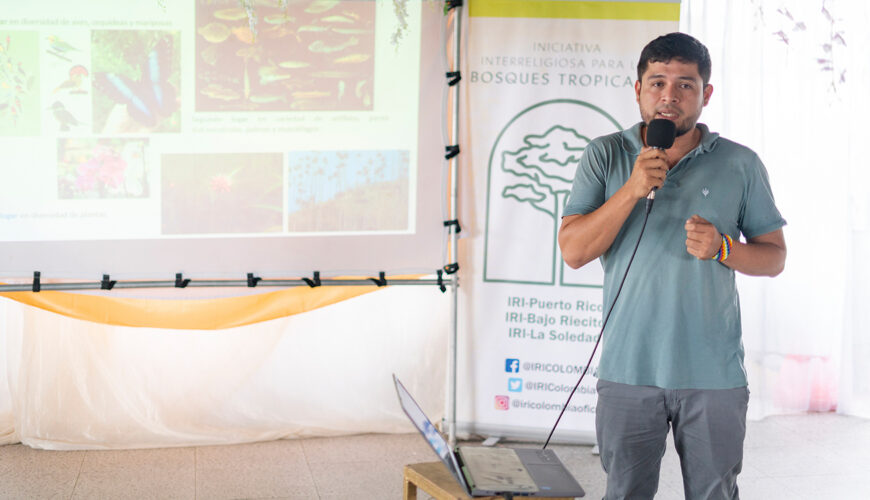
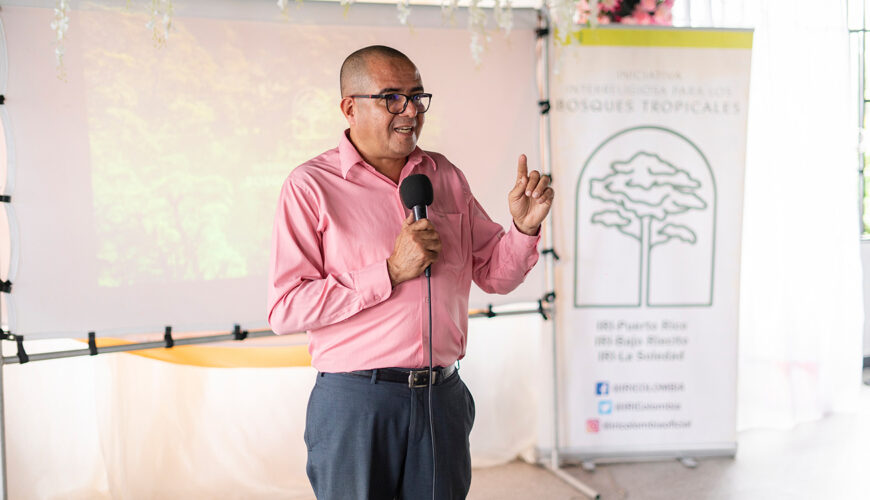
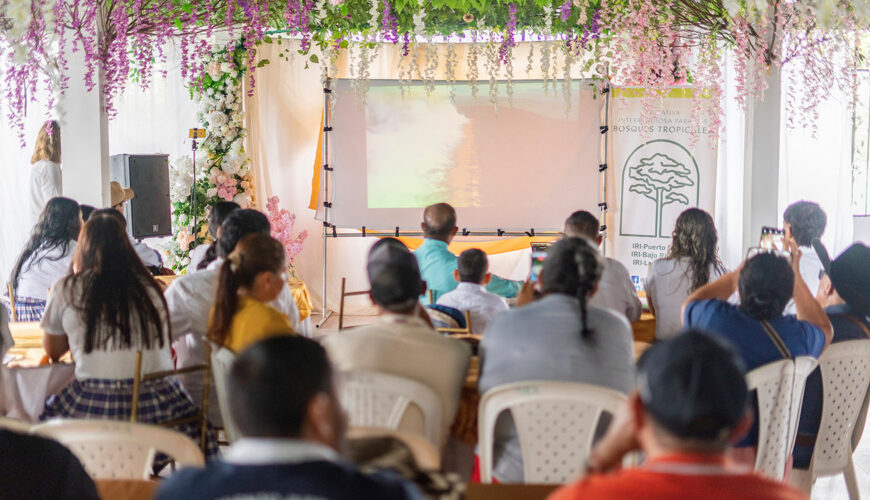
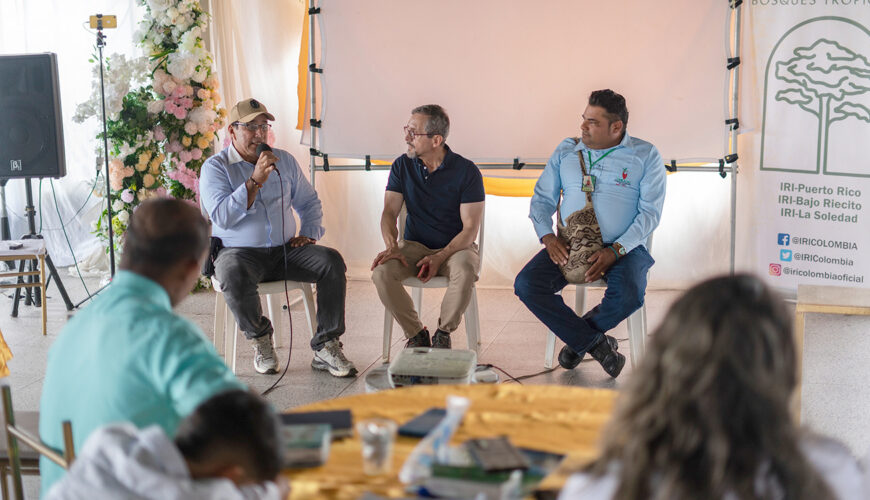
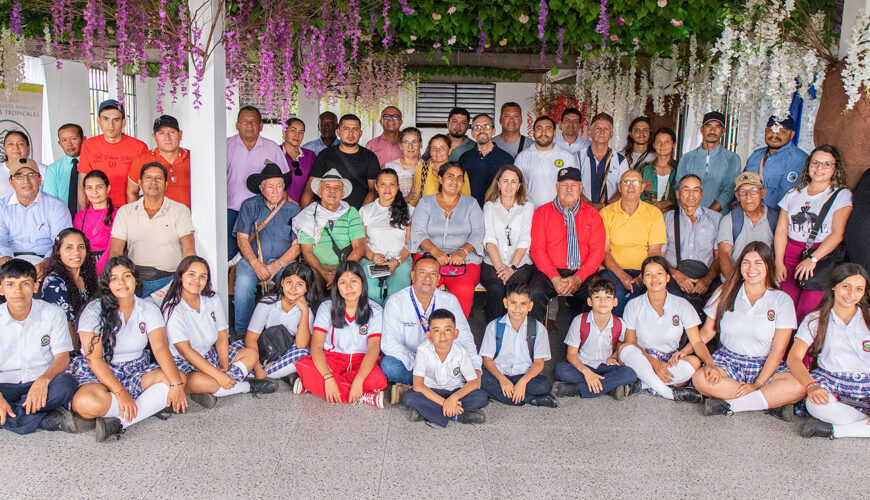 Training process of IRI-Puerto Rico, IRI-Bajo Riecito e IRI-La Soledad.

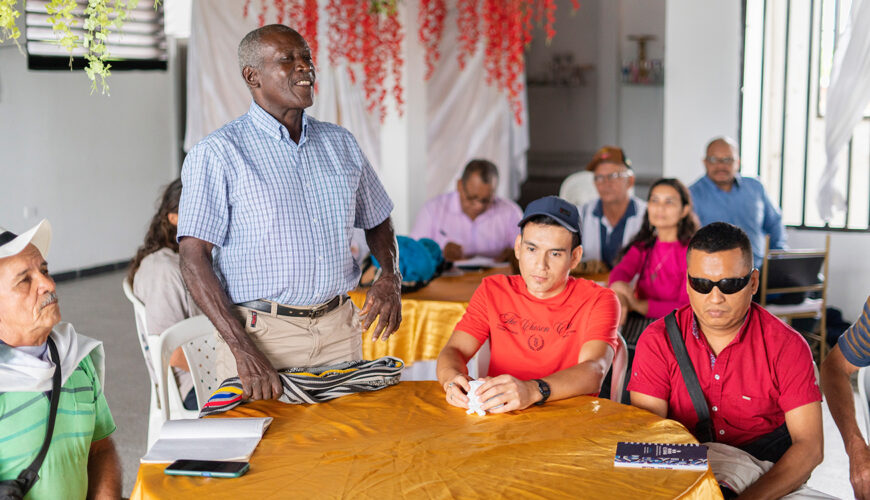
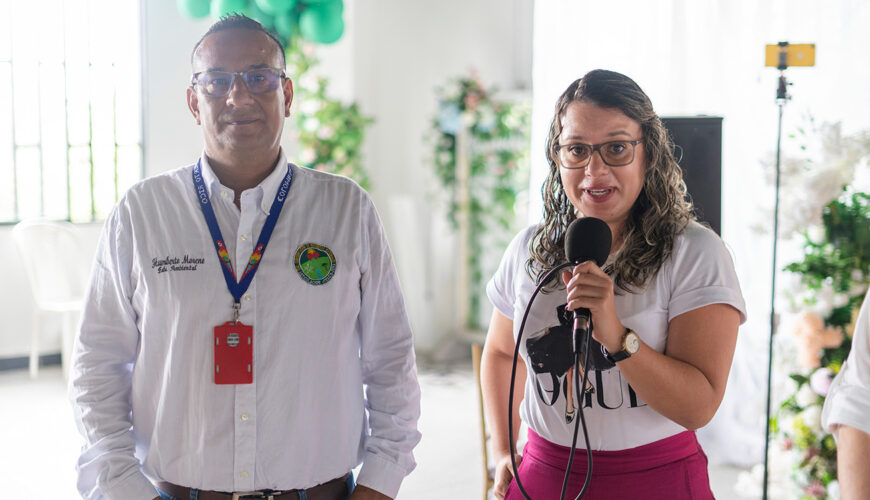
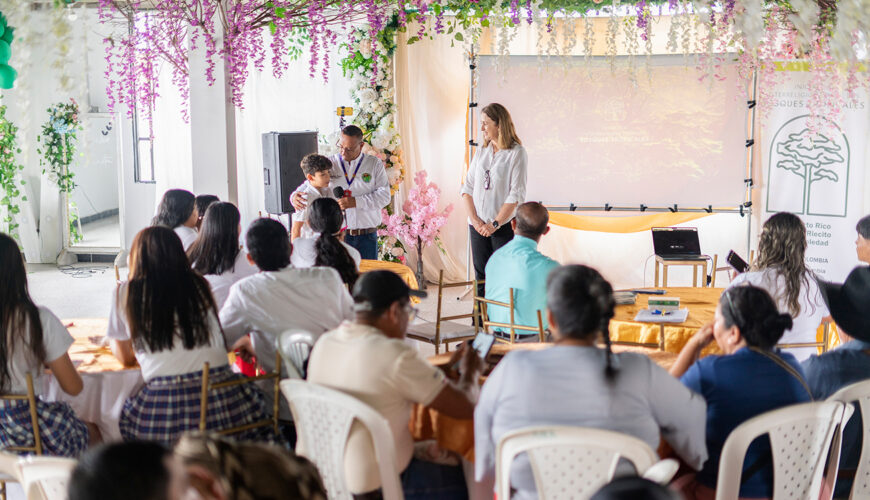

Inspiring Experiences
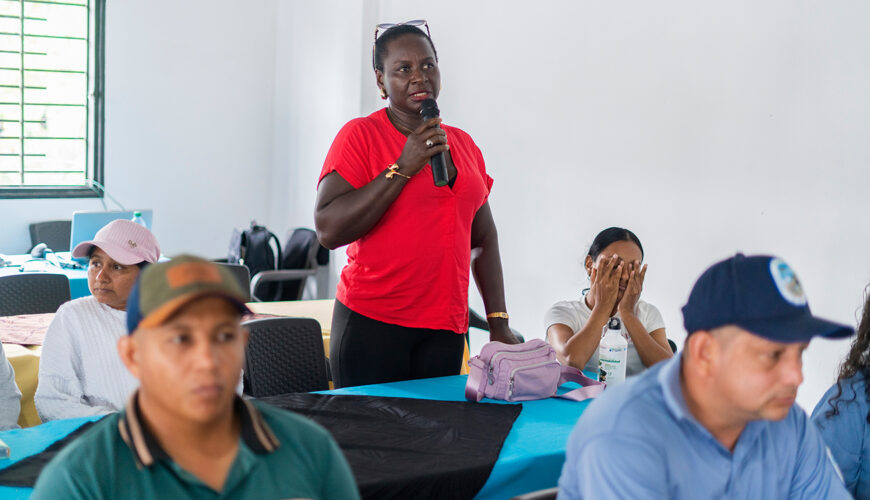
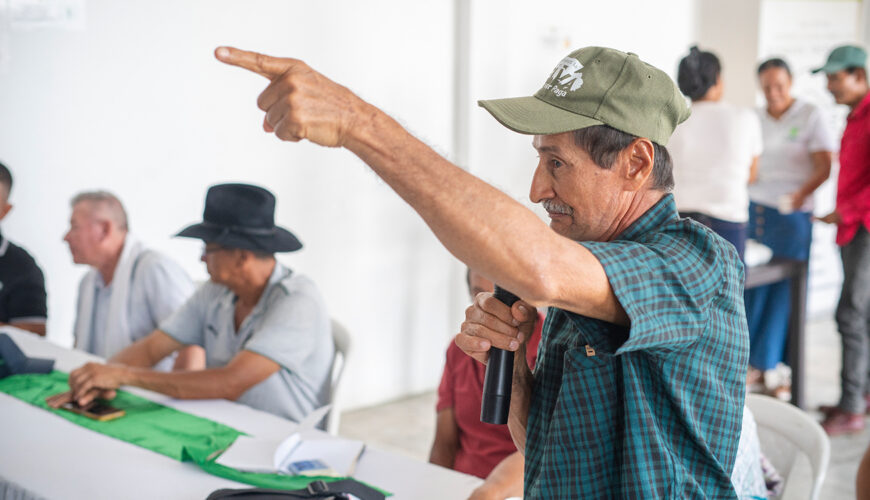
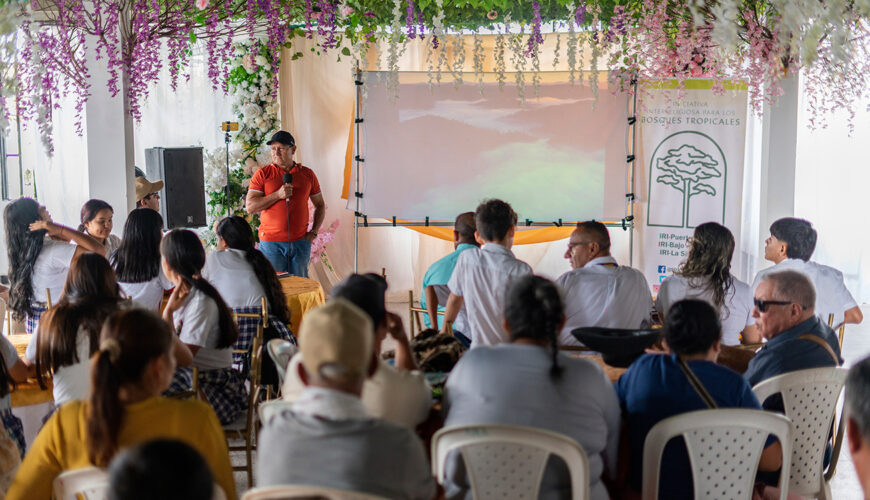
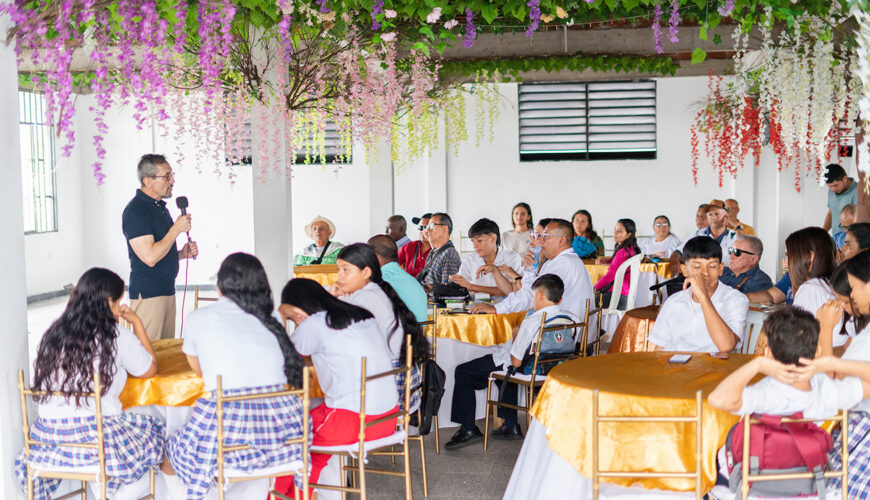
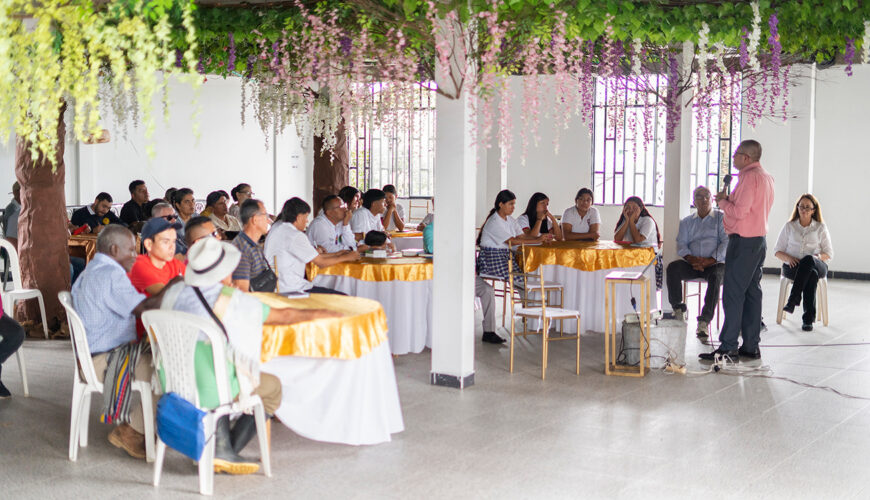
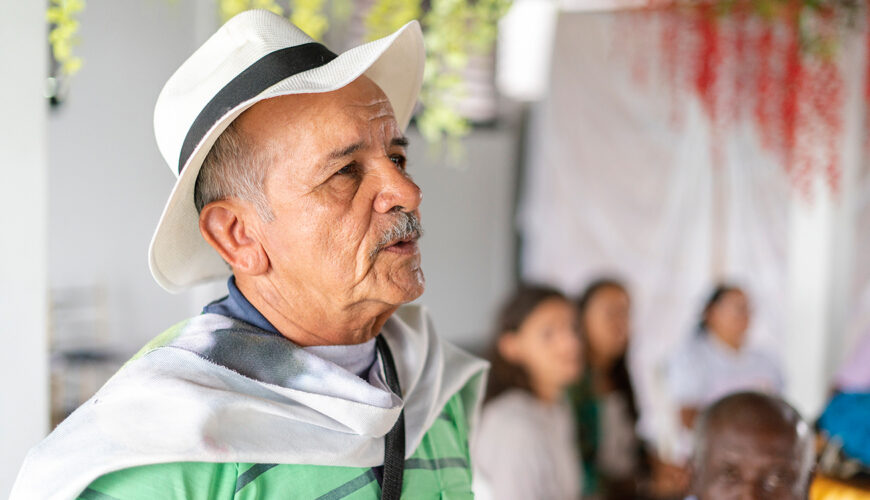
The voices of rural communities were also heard during this first training cycle organized by IRI-Colombia in Caquetá. One of the most significant parts of the training sessions was the discussions on successful community-led agroforestry initiatives, during which various leaders demonstrated that it is possible to develop profitable economic alternatives without resorting to deforestation.
In Curillo, Leonor Rojas, from Finca Amazónica Integral, and Pablo Emilio Ome, from WWF Colombia’s “Protected Areas for Peace” and “Amazonian Cacao and Peace” projects, shared their experiences implementing organic cacao agroforestry systems. “We are currently conducting a bird survey. We want to determine how many species of birds have returned to our farms where we now have forests again,” said the community leader from San José del Fragua.
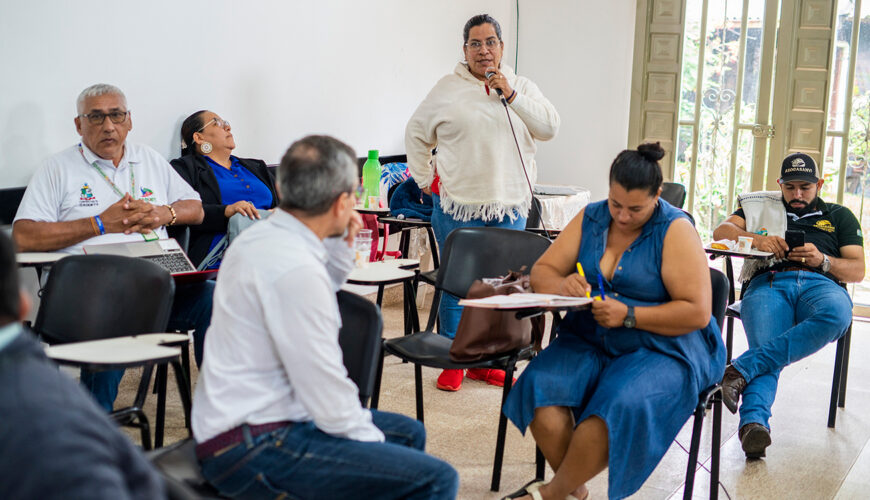
“My mother taught me that financial autonomy is essential to achieving peace. That’s where the idea came from to purchase land so that other women could achieve financial autonomy. That’s how the Cataleya farm was born,” said Leonor Bravo Cardozo of the Women and Territory Association of the Cataleya Community Council, who shared with the leaders from Cartagena del Chairá her community organization’s work with ecotourism, farmers’ markets, and melipona bees. For his part, Ruben Darío Montes, from the Remolino del Caguán and Suncillas Cocoa Growers’ Committee in Chocaguan, described the process of implementing agroforestry systems for cocoa cultivation.
In Puerto Rico, Gustavo Álvarez of Asojuntas Puerto Rico and Rudbel Poveda of the Committee of Cocoa Growers in Agroforestry Systems of the Municipality of San Vicente del Caguán (Comicacao) shared their stories—concrete examples of territorial transformation, community innovation, and sustainable forest management.
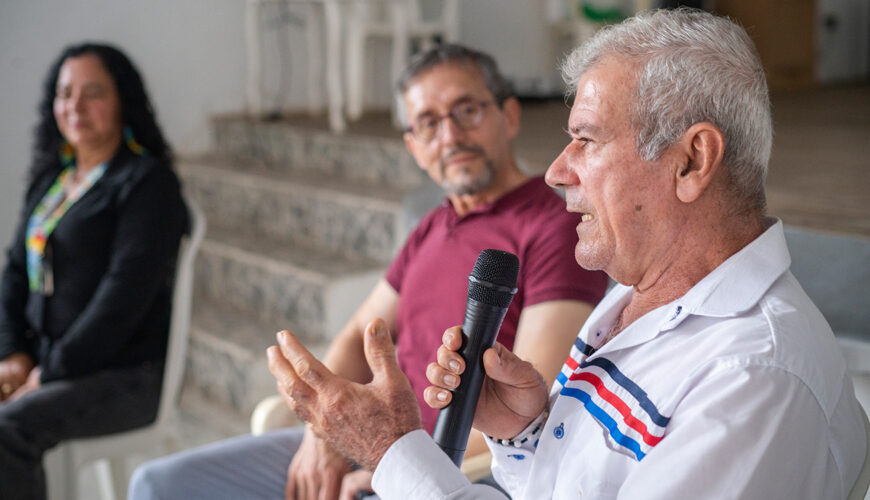
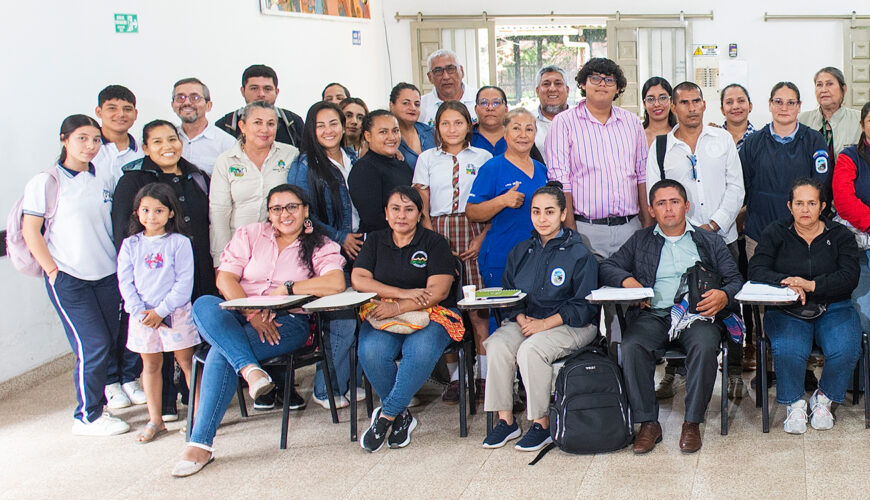 Training process of IRI-San Vicente del Caguán, IRI-Ciudad Yarí and IRI-Campo Hermoso.
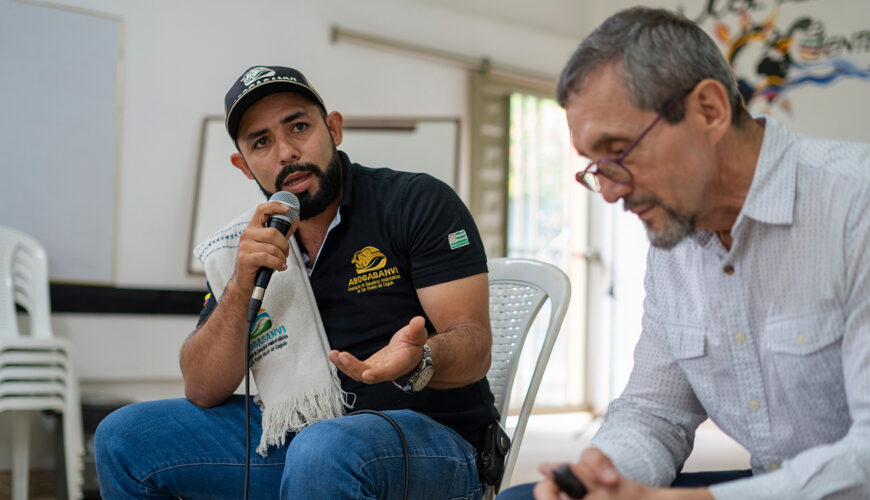
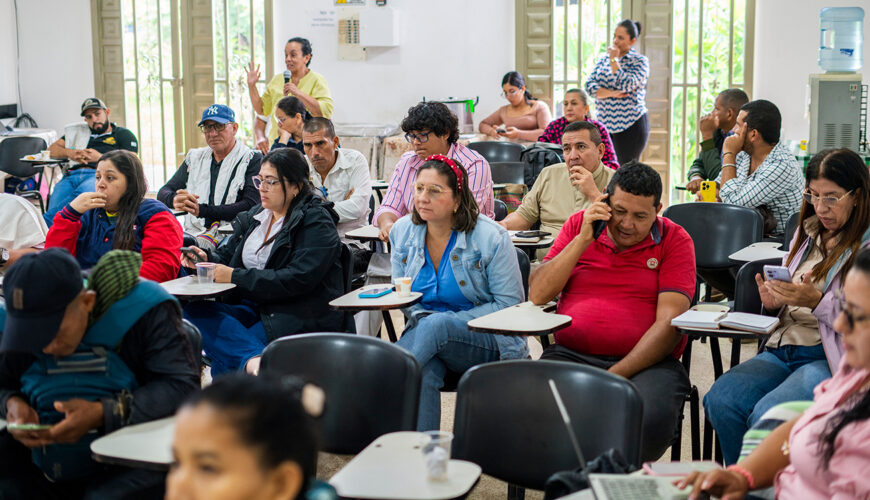

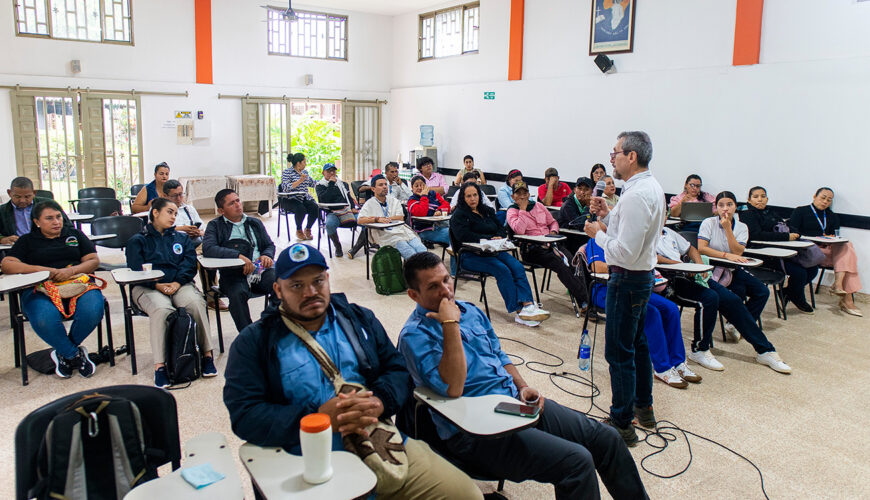
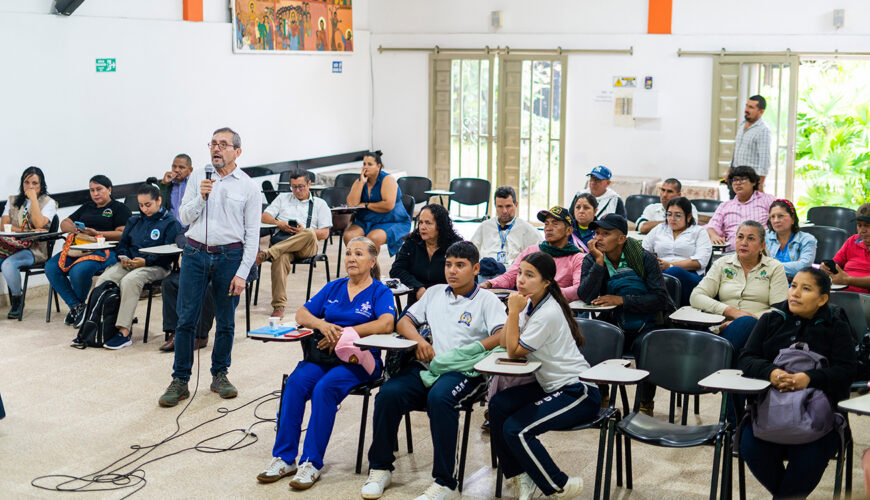
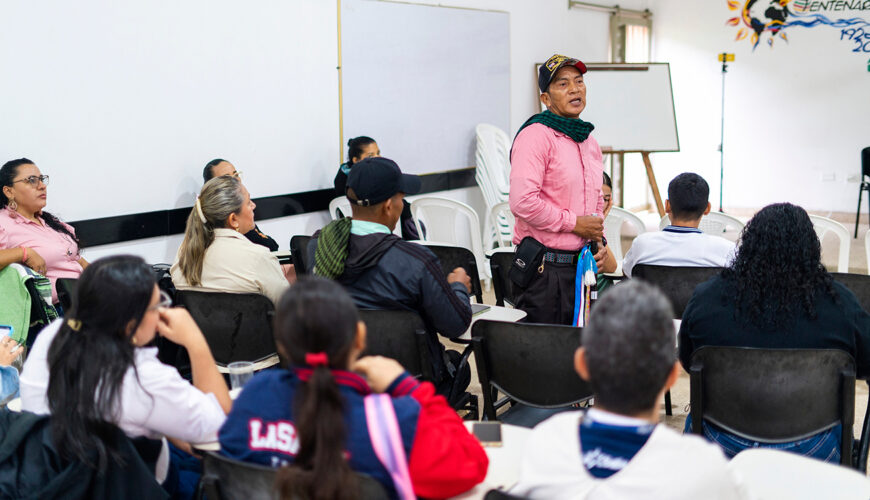

The first thing we had to do was change our families’ mindset and show them that there was another way to raise livestock. The hardest part was raising awareness about the importance of water and forest conservation,” said Hilder Cruz of the Association of Environmentalist Cattle Ranchers of San Vicente del Caguán (Asogasanvi), who shared with local chapter leaders in this municipality the experience of more than 270 cattle ranchers who have been implementing silvopastoral systems.
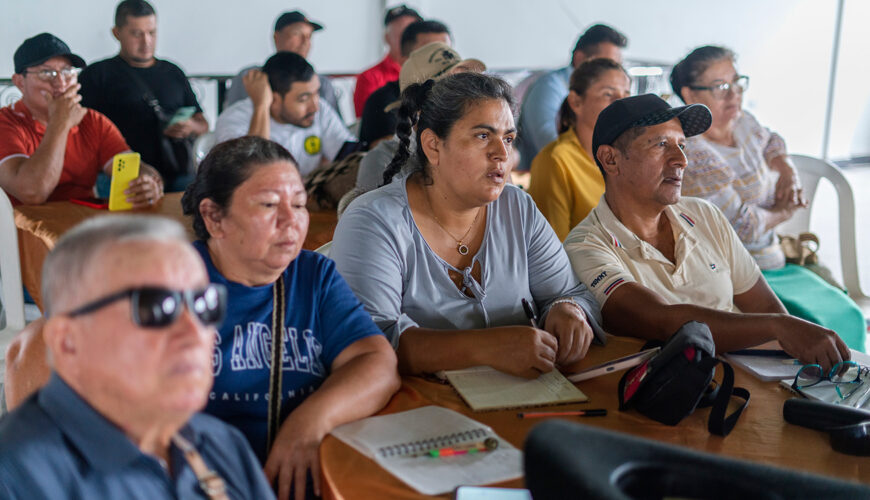
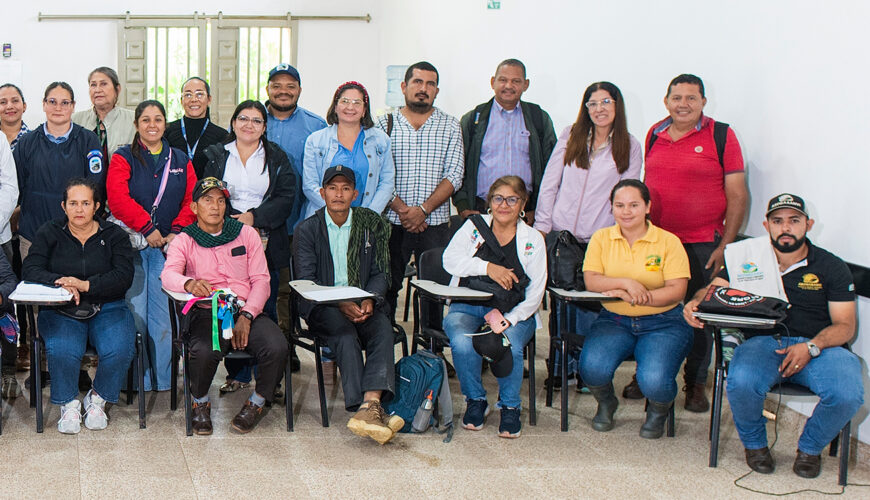
The educational sessions led by IRI-Colombia were attended by 231 people, including religious and community leaders, indigenous authorities, teachers and principals of educational institutions, representatives of social organizations, municipal council members, and local government officials, who are members of the IRI chapters in Curillo, Núcleo Horizonte, and Mayoyoque; Cartagena del Chairá, La Primavera, and Remolinos del Caguán; Puerto Rico, Bajo Riecito, and La Soledad; San Vicente del Caguán, Ciudad Yarí, and Campo Hermoso. Additionally, municipal council members and local authorities participated.
“We invite you to use the land, but to do so with great responsibility—to make the most of it while also protecting it, always taking care of the forests and the environment. This is the future of our children and youth,” emphasized Curillo Mayor Javier Villanueva Posso, who participated in the event in his municipality. “This is an exercise in collectively building the future. An effort to strengthen local capacities, open up opportunities for collaboration, and demonstrate that it is indeed possible to move toward sustainable economic models that protect the forest, generate well-being, and dignify the lives of Amazonian families,” concluded the director of IRI-Colombia.