Home to a cultural legacy spanning thousands of years and unparalleled biological and ecological richness—but also facing the highest rates of forest loss in the country—the municipality of San José del Guaviare hosted the Amazon Scientific Immersion Day, organized for the second consecutive year by the Interreligious Initiative for Tropical Forests (IRI-Colombia).
Conceived as a high-impact methodological innovation, this educational event was designed to bridge the gaps between science and public policy; territory and legislative decisions; and scientific evidence and ethical responsibility.
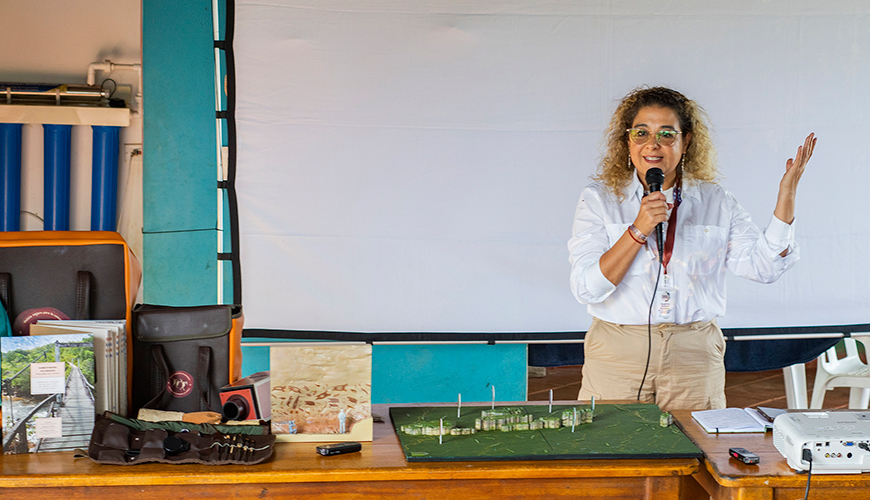
This year’s event, held from June 11 to 14, served as a forum for dialogue among science, public policy, spirituality, territorial knowledge, and legislative action. The main objective of this “living laboratory” was to strengthen the capacities of elected members of Congress (2026–2030) in strategic decision-making and leadership of a transformative legislative agenda, centered on controlling deforestation as an indispensable condition for ensuring Colombia’s climate, water, and socioeconomic stability.
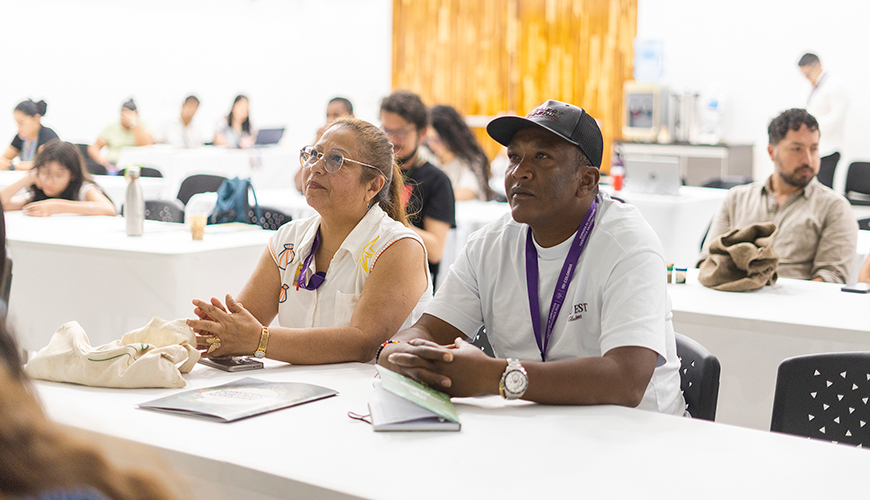
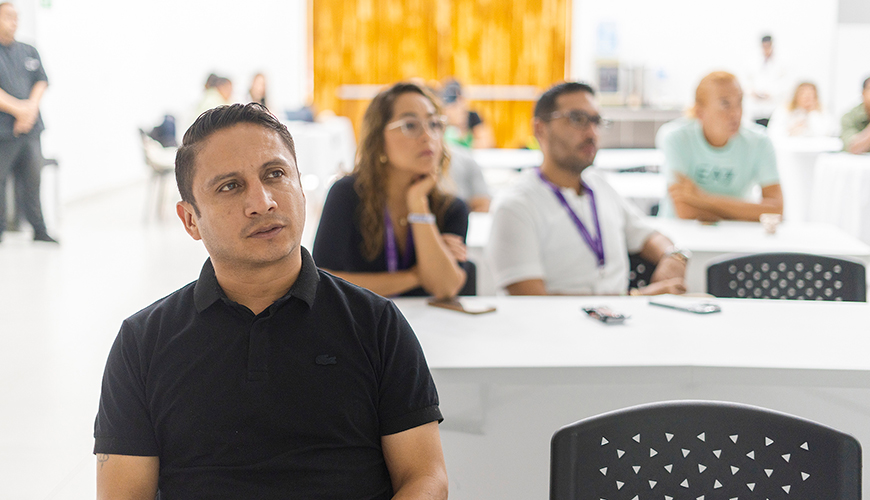
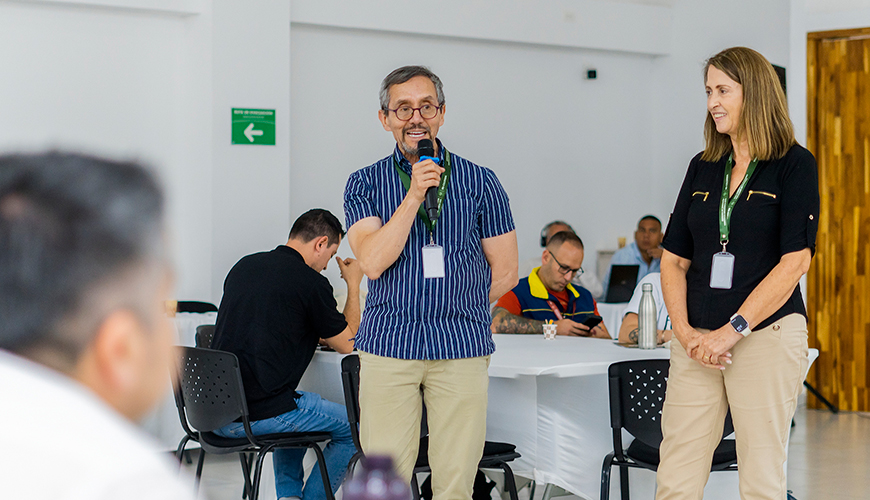
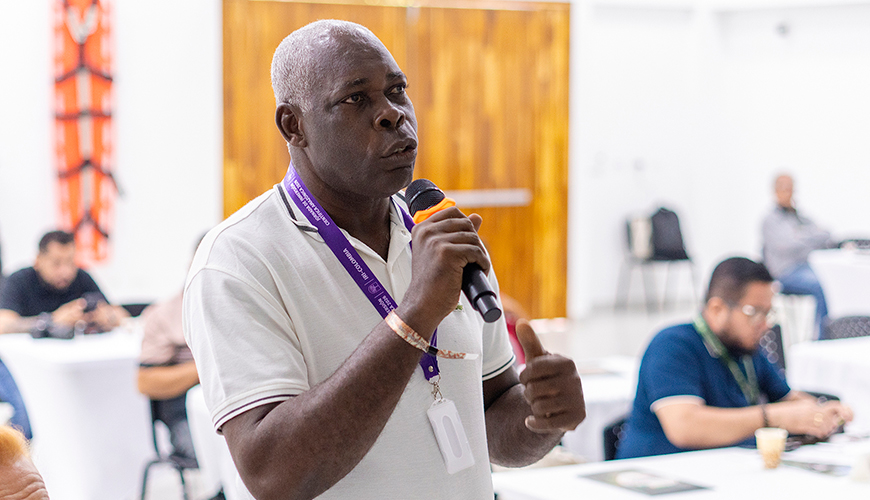
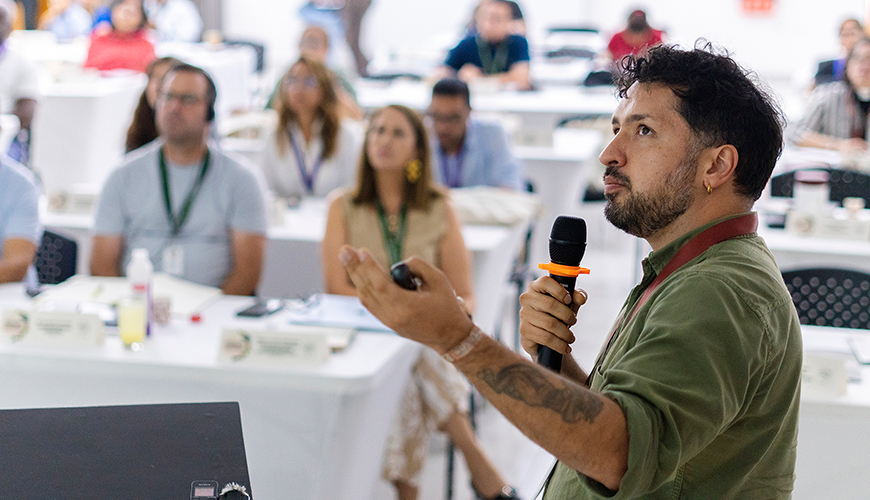
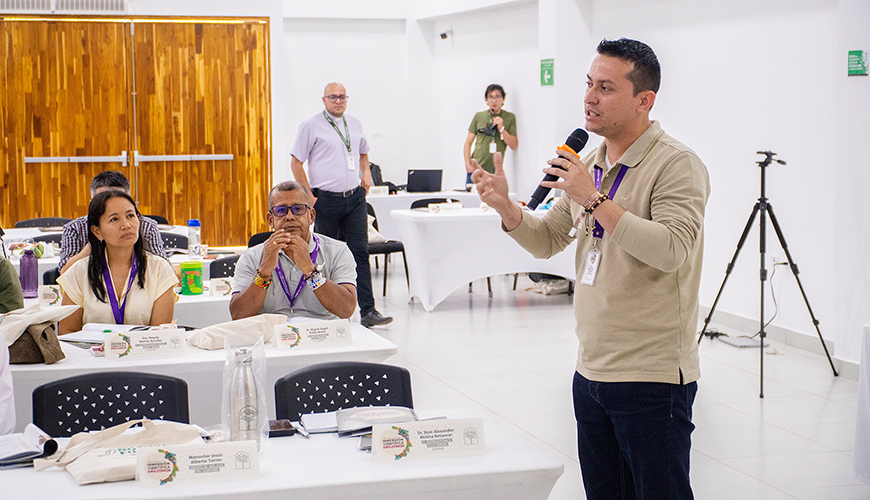
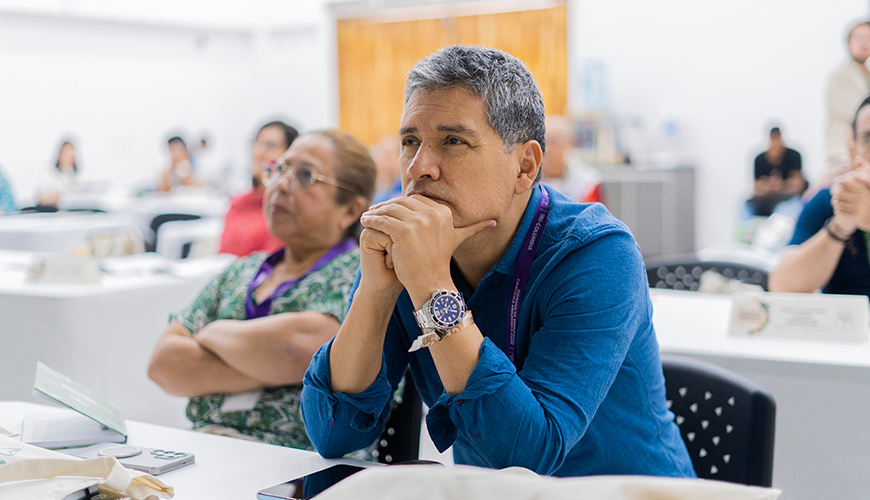
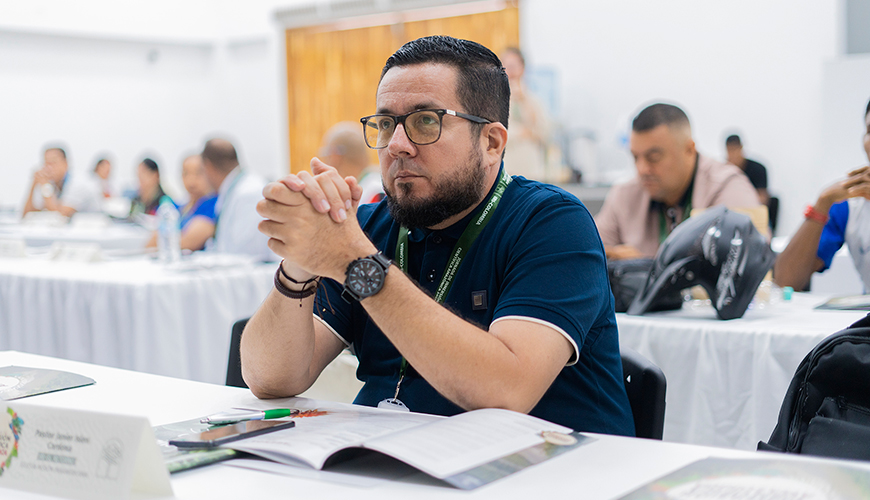
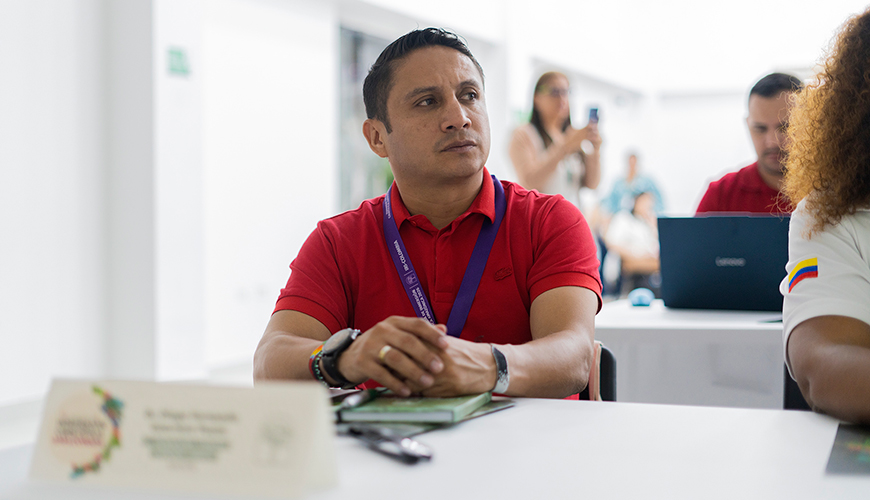
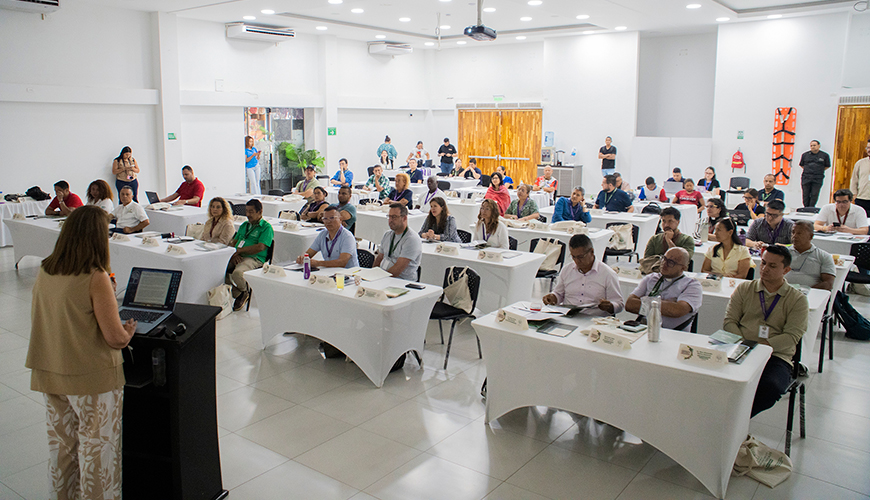
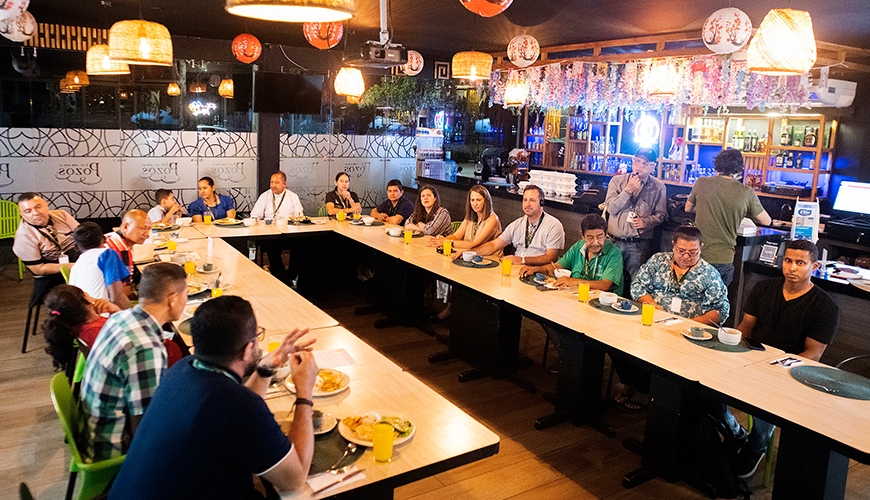
This momentous gathering was attended by more than 80 people. Among them were ten representatives to the House of Representatives—elected from the Amazonian departments and the Special Constituency for Peace—and their staff, delegates from the Senate of the Republic, religious leaders, scientists, academics, journalists, and local and regional authorities. Over the course of three days, they immersed themselves in a transformative learning experience grounded not only in scientific knowledge but also in the lived experience of the region.
“Colombia today needs leaders capable of understanding that protecting the Amazon is not merely an environmental issue, but a strategic priority for the country’s water, climate, economic, and democratic security,” emphasized Blanca Lucía Echeverry. The director of IRI-Colombia led the meeting, whose ultimate goal was to promote the collective development of a legislative coordination initiative for the defense of the Amazon through the creation of a special bicameral commission of the Congress of the Republic.

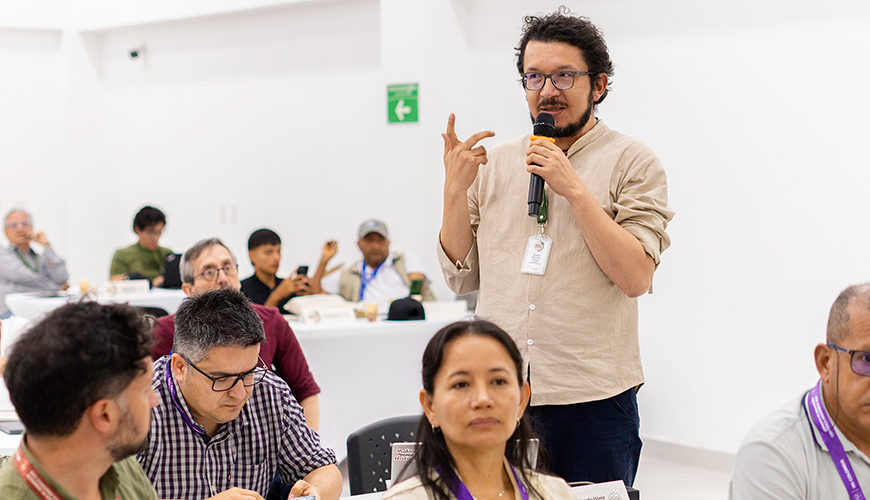
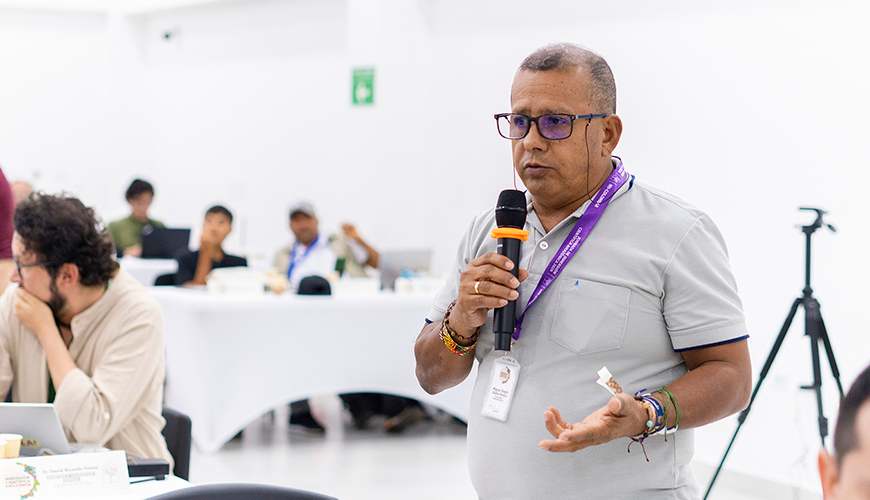
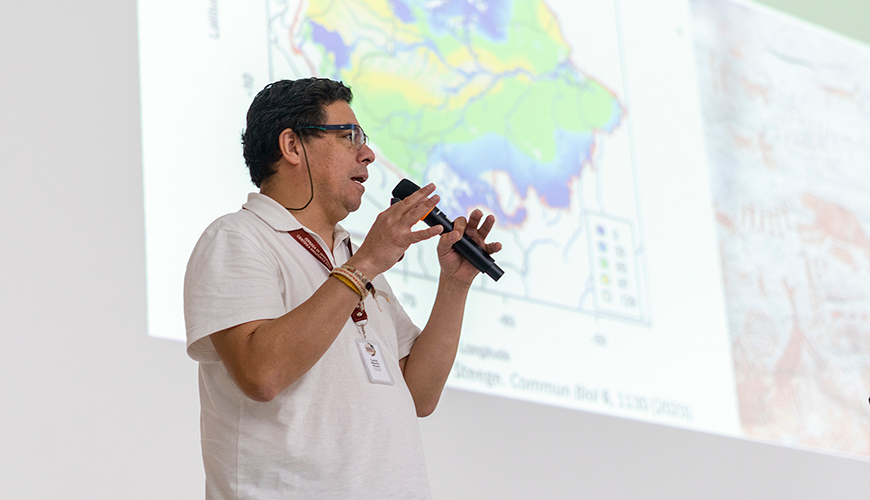
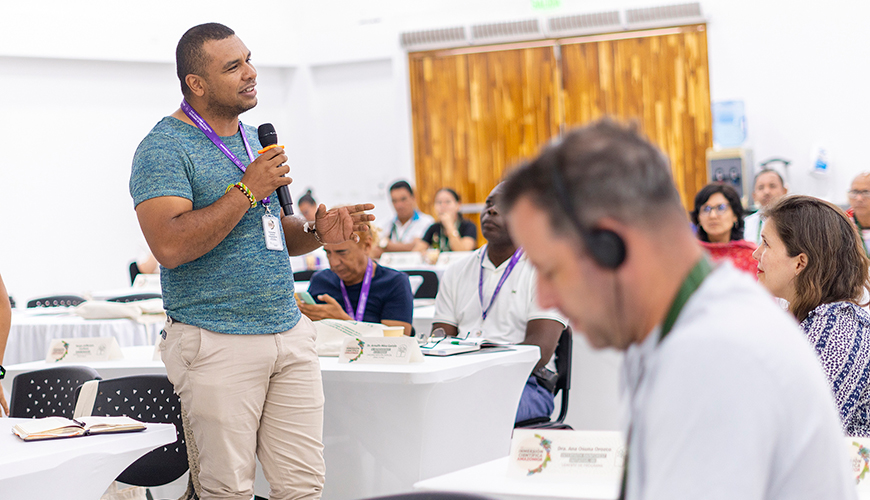


Key Topics for Understanding the Amazon
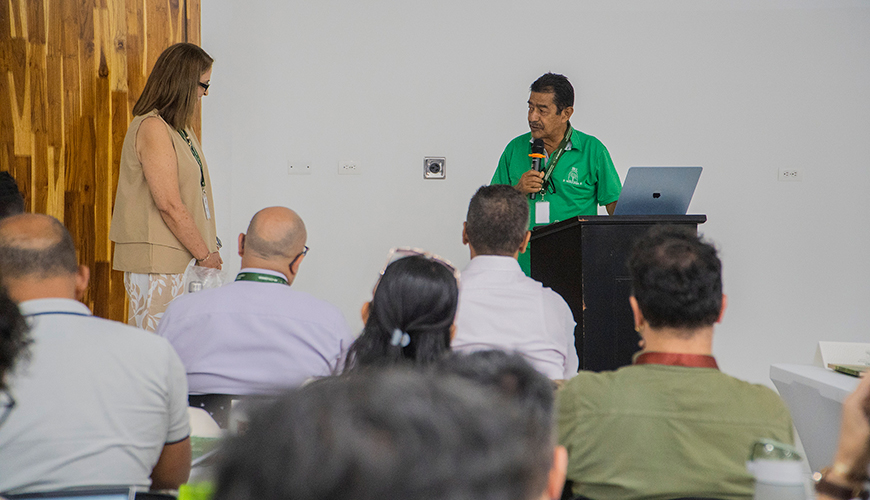
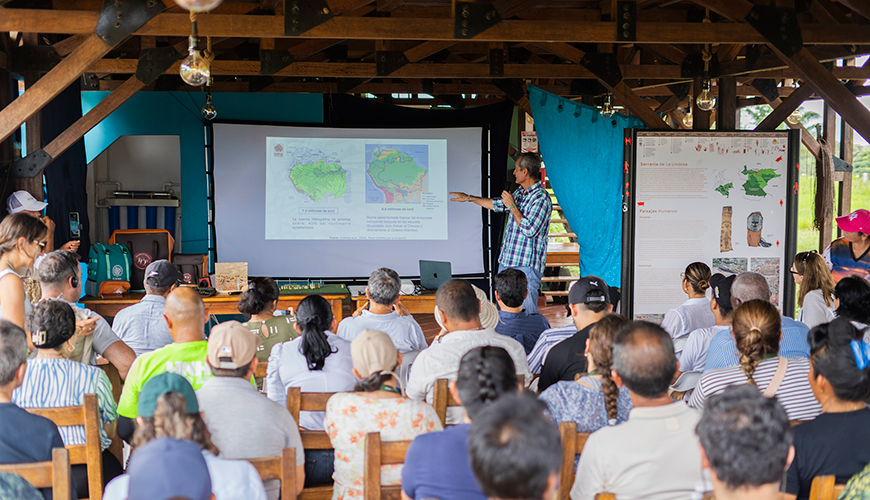
The ethics of care, the environmental priorities that must be addressed in the Amazon, and the implementation of Indigenous Territorial Entities as strategies for protecting this important biome were the central themes of the first session of the Amazon Scientific Immersion Conference.
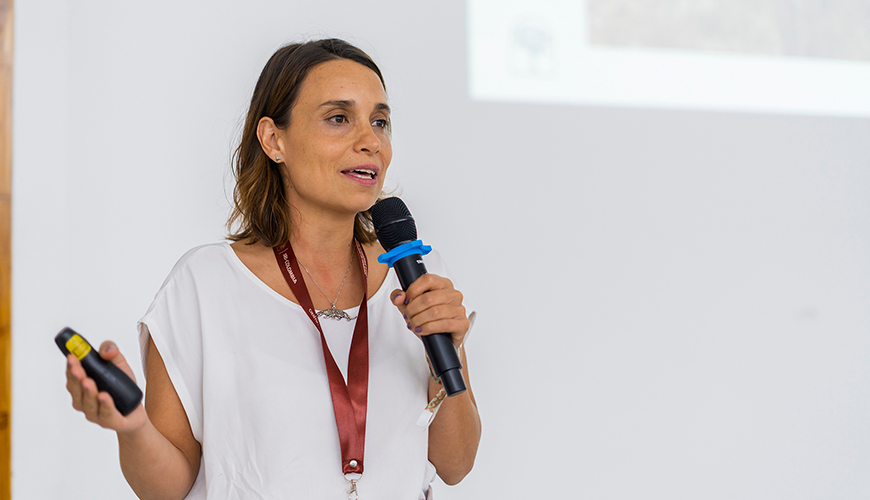
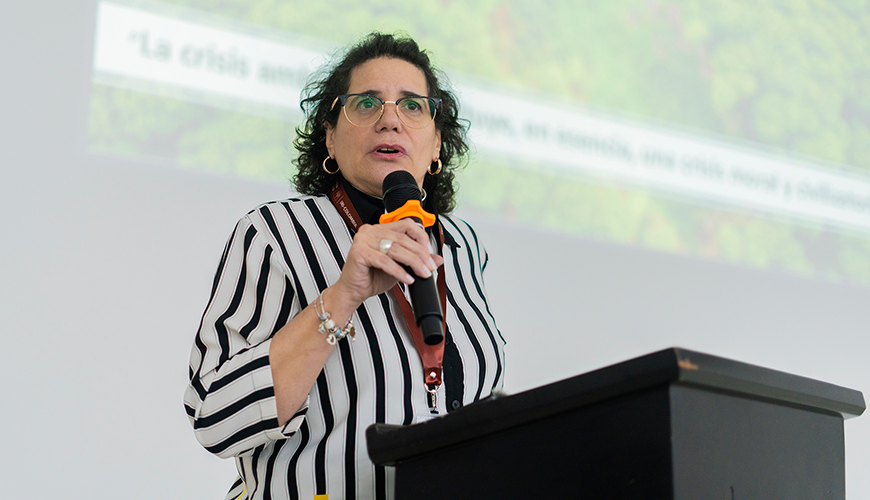
“The global climate crisis confronts us with an ethical dimension that must guide our collective decisions,” emphasized Reverend Loida Sardiñas. In her presentation, “Caring for Creation: Ethics, Spirituality, and Historical Responsibility in the Face of the Climate Crisis,” she proposed the ethics of good living and coexistence as a response to the moral crisis of civilization posed by the global climate crisis, which stems from the extractivist development model implemented by humankind.
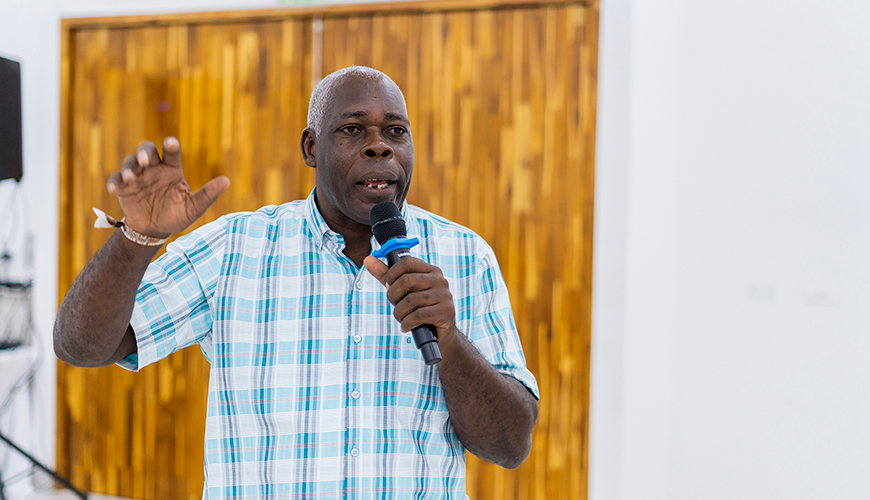
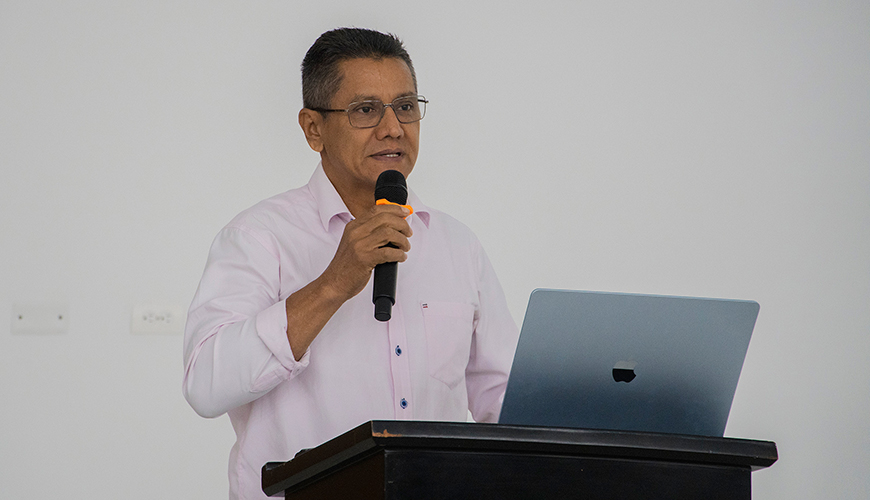
In turn, Juan Camilo González contrasted this ethical crisis with indigenous thought based on reciprocity and interconnection with nature—factors that have enabled ancestral peoples to preserve 99.5% of their territories. At the conference, “Indigenous Territorial Entities and Governance: Pillars of Amazonian Stability,” the deputy director of the Etnollano Foundation addressed the concept of biocultural governance and highlighted Indigenous Territorial Entities as one of the country’s most important political and administrative transformations, indispensable for the protection of the Amazon.
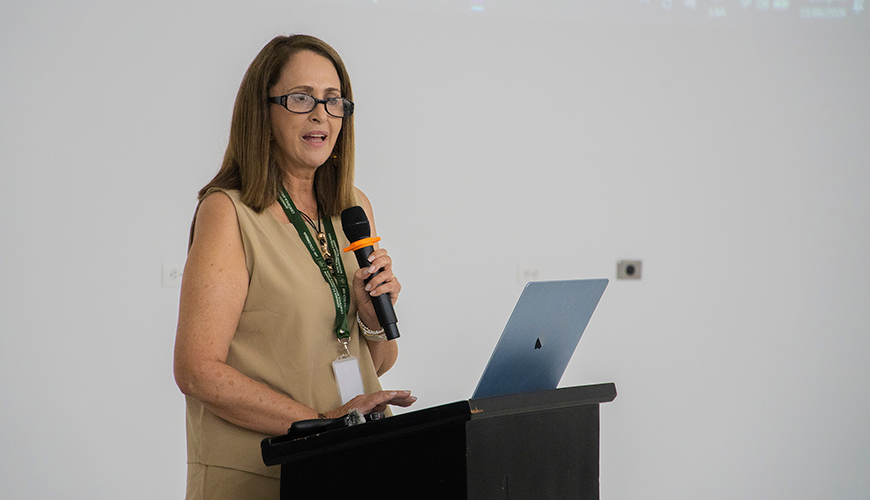
For his part, biologist and limnologist Carlos Alberto Rivera warned of the serious environmental impacts affecting the region, including deforestation, heavy metal pollution from mining, forest fires, and territorial fragmentation. In his presentation, “A Critical Agenda for the Amazon,” the professor and researcher at Javeriana University proposed priority issues that the next legislative agenda should address.




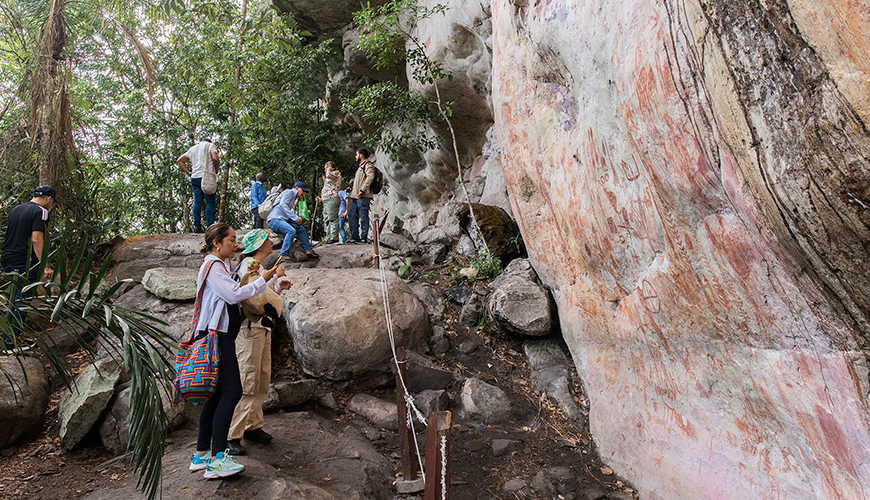
A Window into the Past
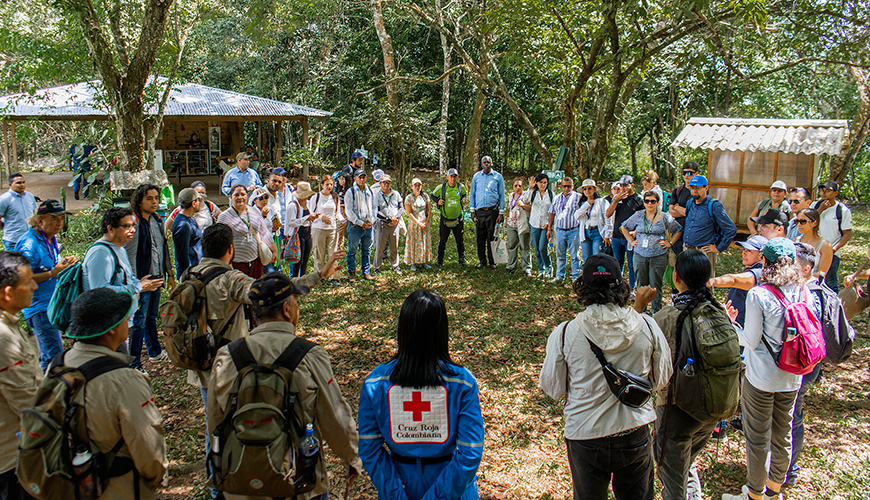
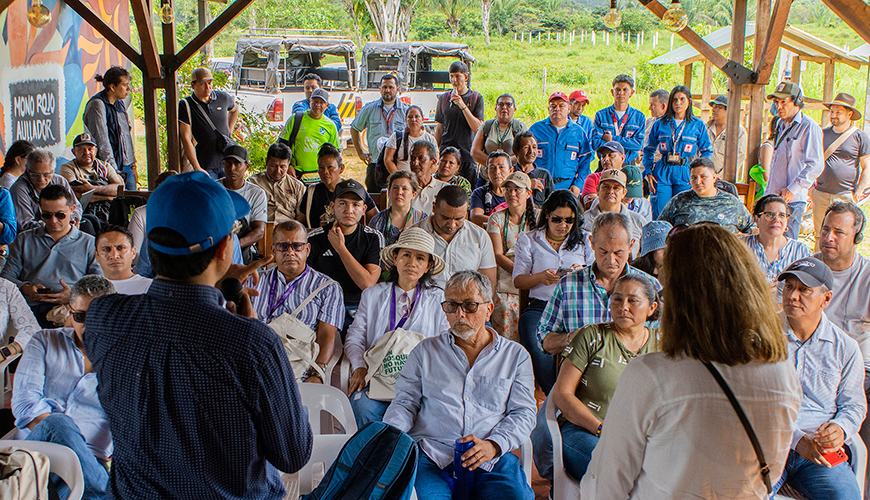
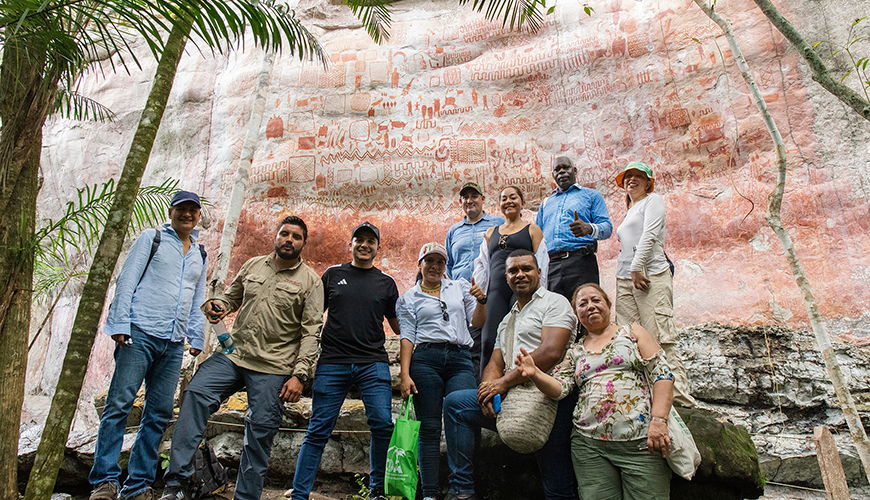
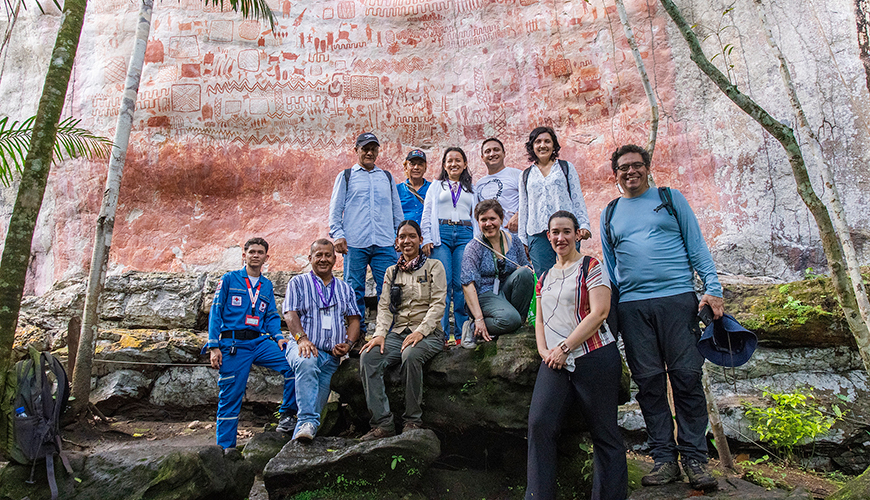
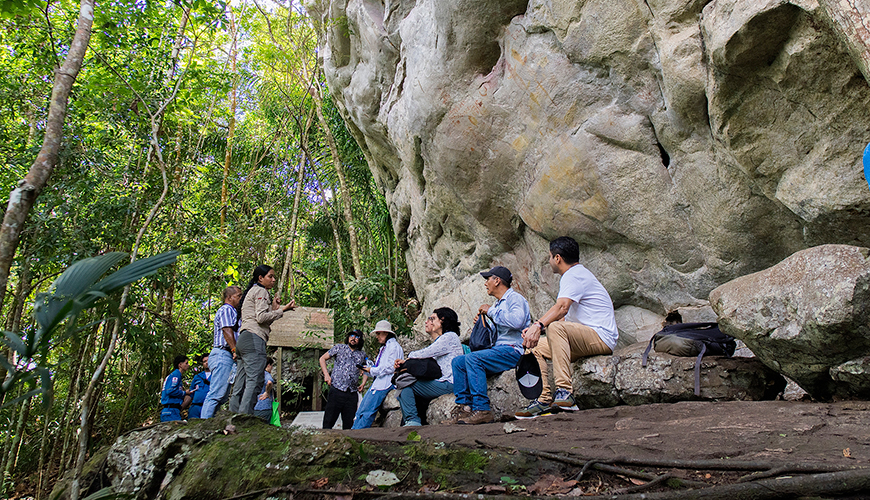
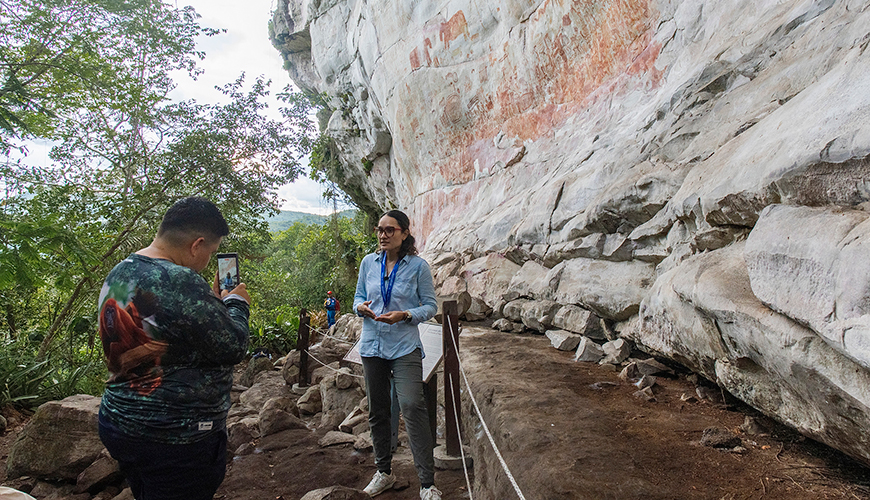
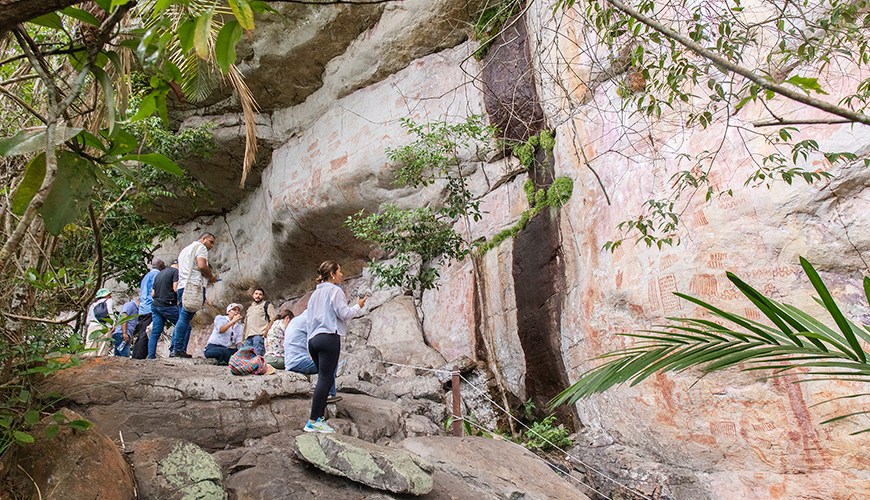
Located 17 km from San José del Guaviare, the Serranía de La Lindosa served as the setting for the second session of IRI-Colombia’s Amazon Scientific Immersion Day.
During a hike of nearly five kilometers, participants explored the tropical forest while witnessing, at Cerro Azul, a cultural legacy embodied in more than 1,200 meters of cave paintings dating back over 12,000 years and preserving the history of hundreds of cultures that have inhabited this region.
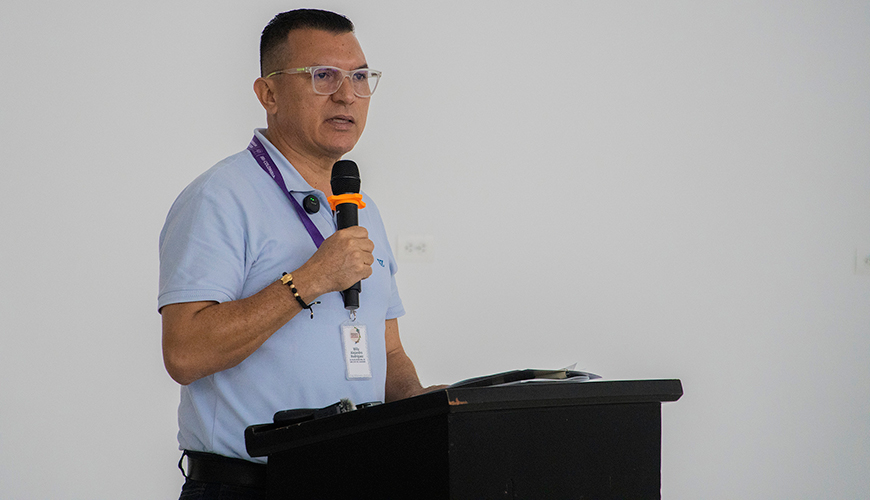
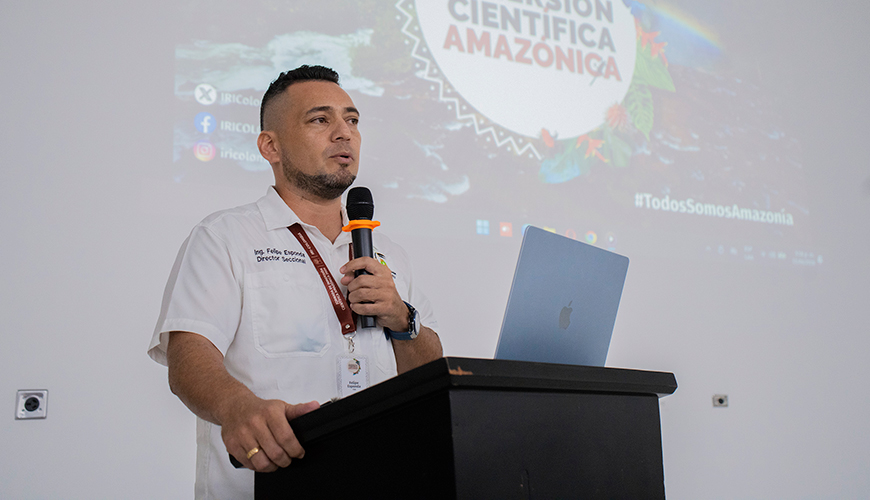
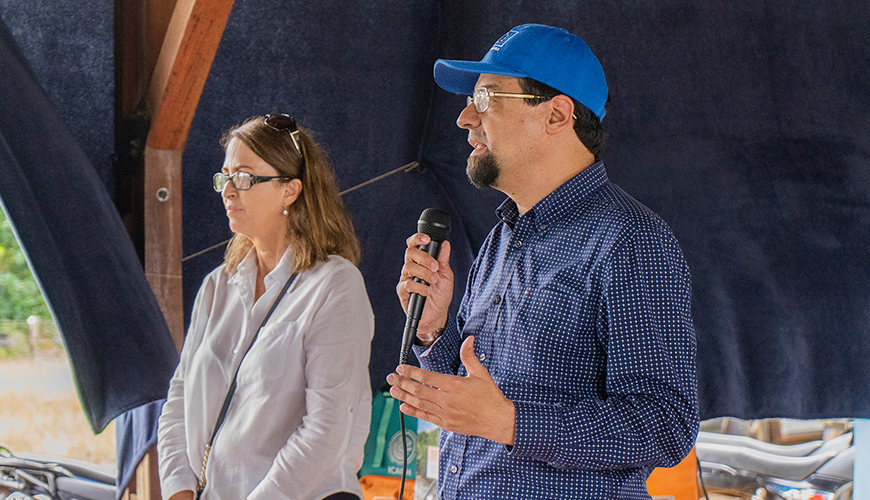
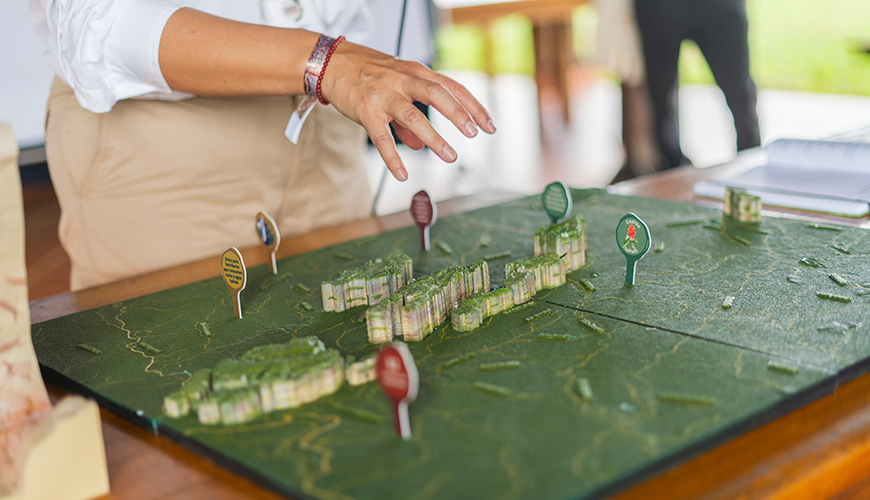
Before embarking on this immersive expedition, Angélica Medina Mendoza, deputy director of Social Engagement at the Colombian Institute of Anthropology and History (ICANH), and Edwin Agudelo Córdoba, director of the Guaviare branch of the Amazonian Institute for Scientific Research (Sinchi), provided participants with a panoramic overview of the territory through an anthropological and cultural lens, as well as an introduction to the region’s hydrological network and its biological and ecological characteristics.
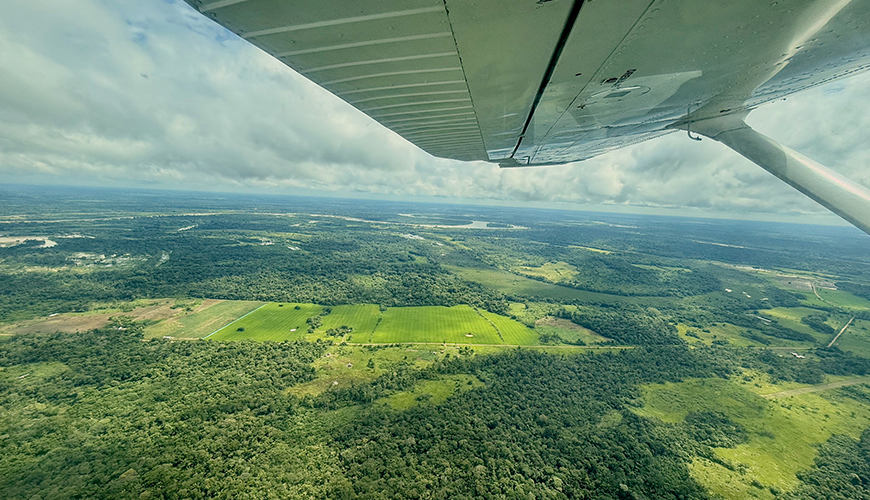
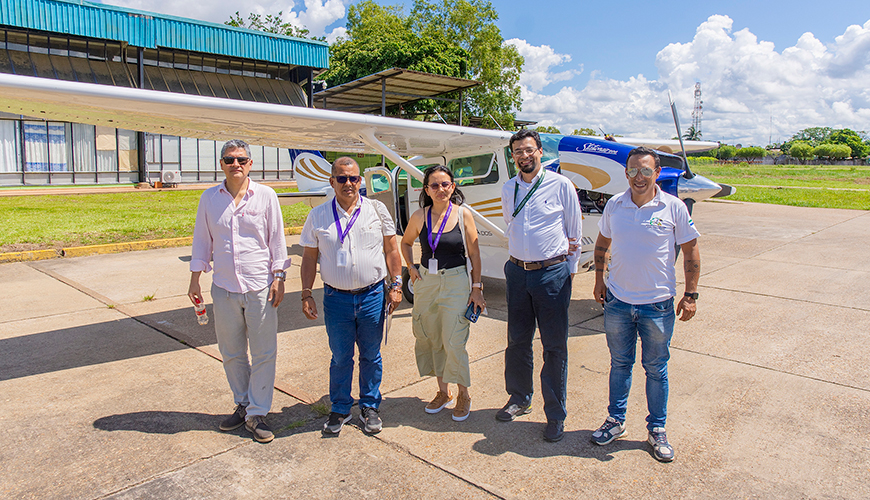
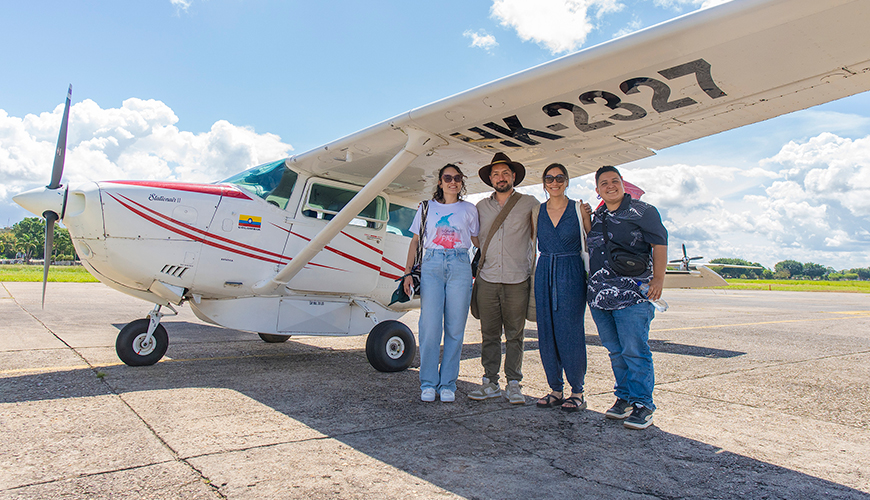
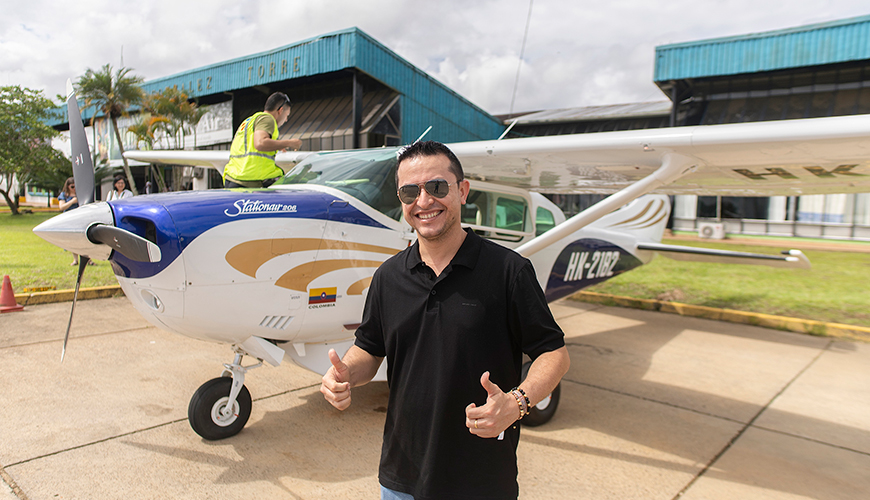
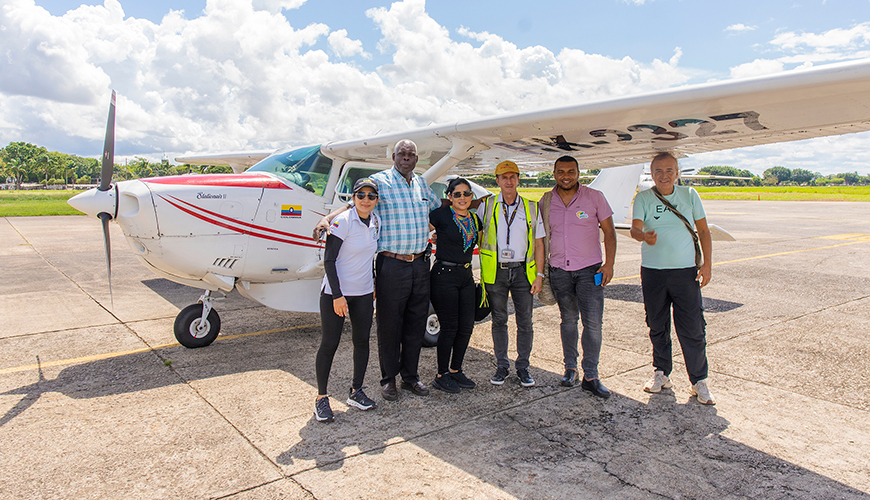
This experience of exploring the natural and cultural legacy of the Guaviare Amazon stood in contrast to the impressions gained from the aerial flights conducted during the third session of the conference.
Flying at an altitude of 8,500 feet (more than 2,500 meters), the representatives and their advisors witnessed the scars left on the landscape by deforestation and the fragmentation of forested areas. They also had the opportunity to identify areas where some of the drivers of deforestation that threaten the vitality of the Amazon biome were evident, such as intensive cattle ranching, mining, and forest fires.




Legislative Workshop for the Amazon
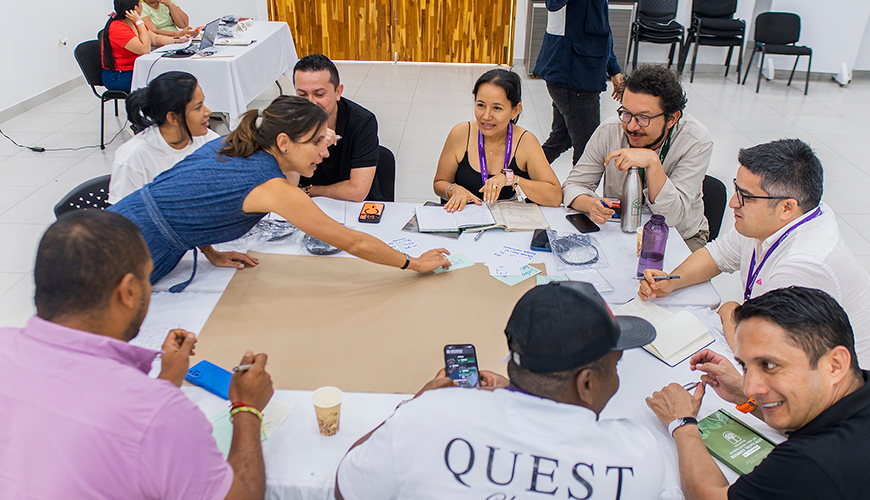
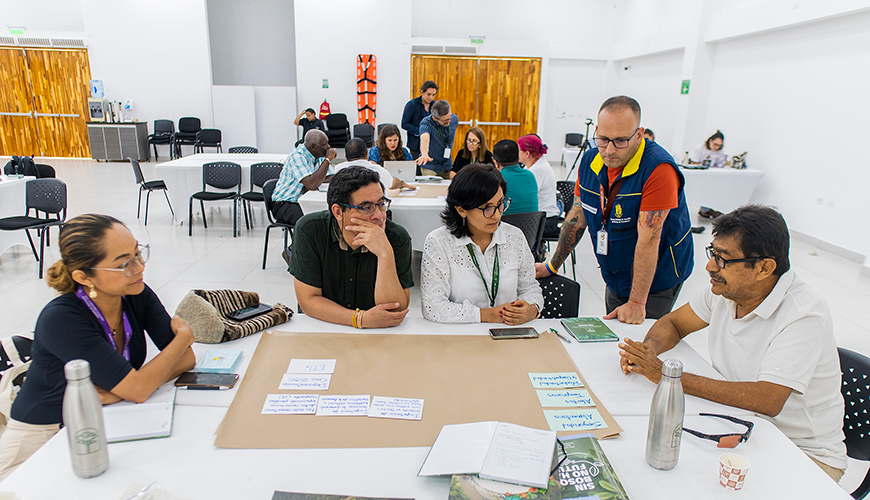
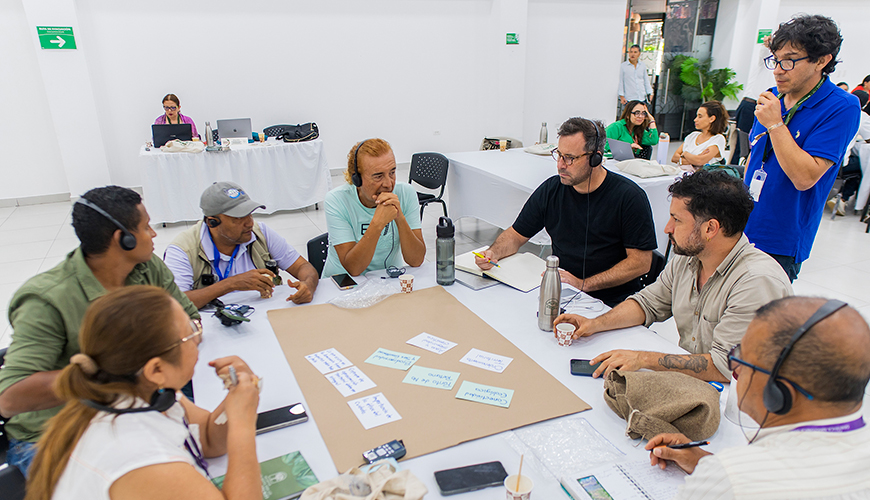
Dubbed the “Legislative Clinic” by IRI-Colombia, the third session of the Amazon Scientific Immersion Workshop became a space for collaborative creation, in which members of Congress and their advisors reflected on the priority issues that should be addressed through legislative action and took the first steps toward creating the Ad Hoc Bicameral Commission “National Coordination Table for the Amazon,” which is expected to strengthen, through coordinated collective work, a legislative agenda that promotes and advocates for the protection of the biome and its inhabitants.
“The goal of this session is for us to define a roadmap for legislation, political oversight, and territorial governance through collaborative work,” said Javier Eduardo Mendoza, an expert in climate change, biodiversity management, and sustainability, who served as facilitator during the co-creation exercise.
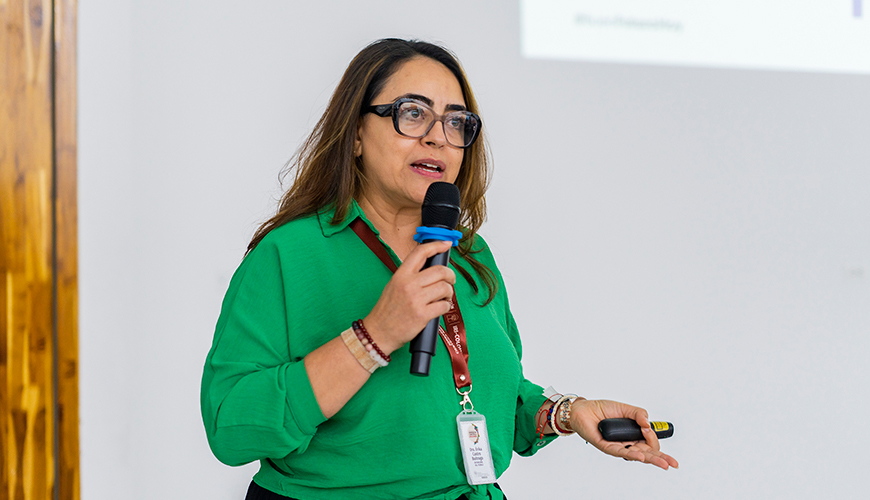
During the session, Érika Castro Buitrago, the Deputy Ombudswoman for Collective and Environmental Rights, delivered a lecture titled “The Amazon within the Constitutional Order: Structural Framework, Law, and Territory on the Brink of the Climate Crisis,” in which she addressed the rights of nature. In turn, María Constanza Meza, from the National Unit for Disaster Risk Management (UNGRD), spoke about integrated fire management, and Natalia Acero, program manager for Integrated Watershed and Water Resource Management at The Nature Conservancy, delivered a presentation titled “Water, Territory, and Climate Security: The Framework Colombia Must Achieve.”
These three presentations served as input for the co-creation exercise. What actions are needed to incorporate available scientific evidence on the Amazon into current or future legislation; what key questions should Congress ask during a political oversight debate to verify that the Executive Branch is using scientific evidence in the design and implementation of Amazonian environmental policies; and how to link science, territory, and governance to ensure coherence between legislation and local dynamics in Amazonian territories—these were the questions that guided the reflections of the members of Congress and their teams, who committed to continuing to work in a coordinated manner, to creating the Ad Hoc Bicameral Commission “National Coordination Table for the Amazon,” and to advancing the bill for the creation of a legal commission in Congress.
“With this Amazonian Scientific Immersion Workshop, IRI-Colombia demonstrates what it means to build a serious and urgently needed intersectoral platform for the region, one that brings together science, faith, territory, and public policy in the service of the Colombian Amazon, indigenous peoples, and climate stability,” concluded Joseph Corcoran, director of the Interreligious Initiative for Tropical Forests worldwide.
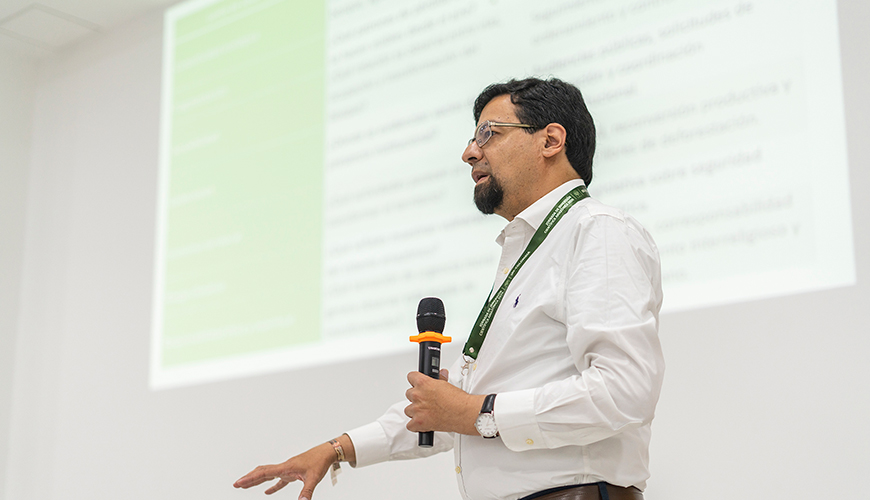 Javier Eduardo Mendoza, advisor to IRI-Colombia.