Is it possible to make a living from the forest without destroying it? Is it possible to live in harmony with nature and build resilient communities through sustainable development? What is the true value of Colombia’s protected areas?
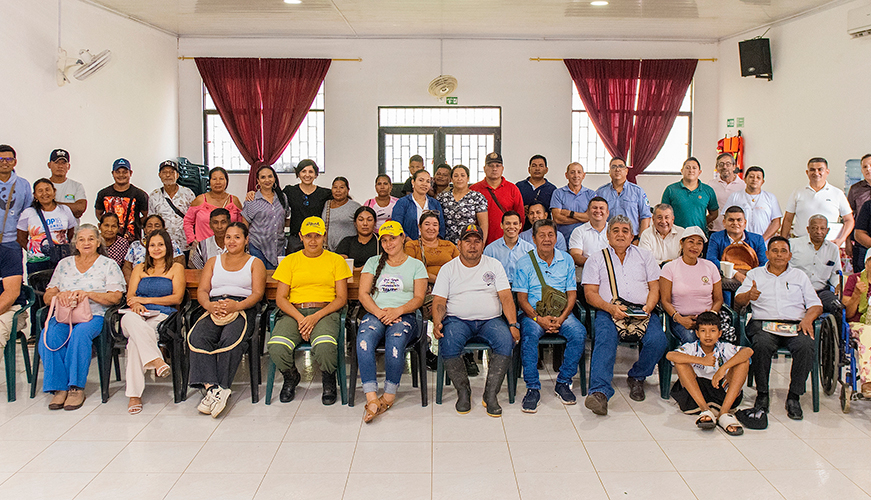
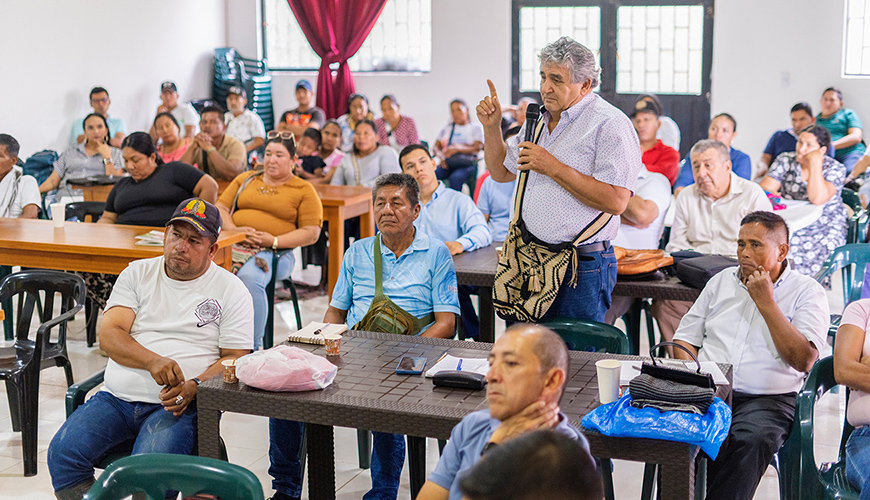
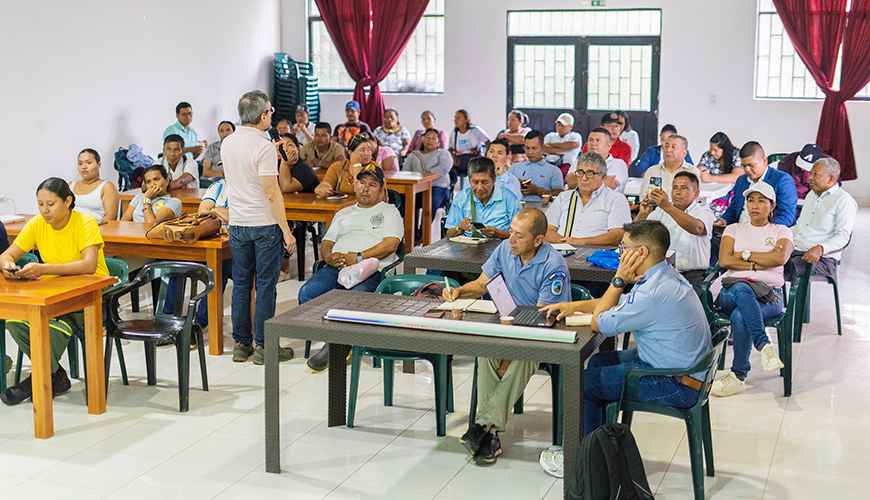
These are some of the questions that served as the central focus of IRI-Colombia’s training program in Puerto Leguízamo (Putumayo), where the Initiative trained more than 50 religious, community, and Indigenous leaders—members of its local chapters in this municipality, the La Samaritana Indigenous Reserve, and the village of El Triunfo.
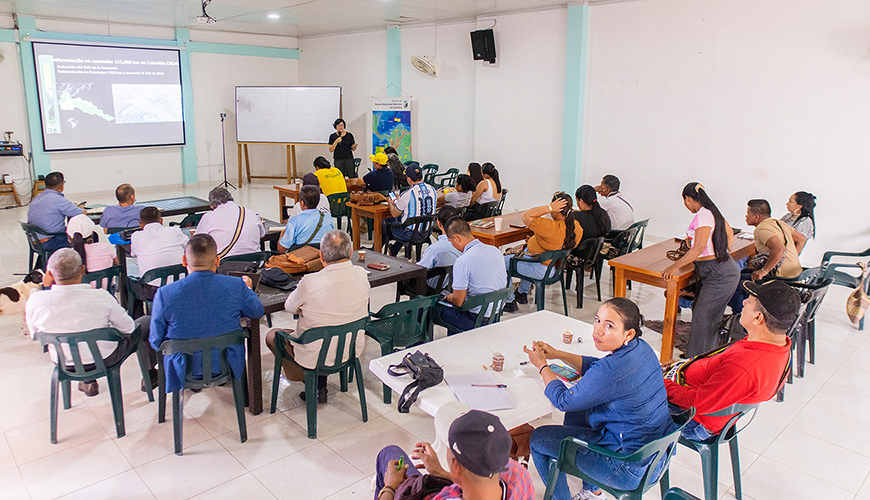
Gathered at the La Consolata Pastoral Center, participants in this new training cycle reflected on the ecological and cultural value of the Amazon, the challenges of deforestation, the importance of protected areas, and sustainable alternatives that allow communities to make a living from the Amazon rainforest without destroying it.
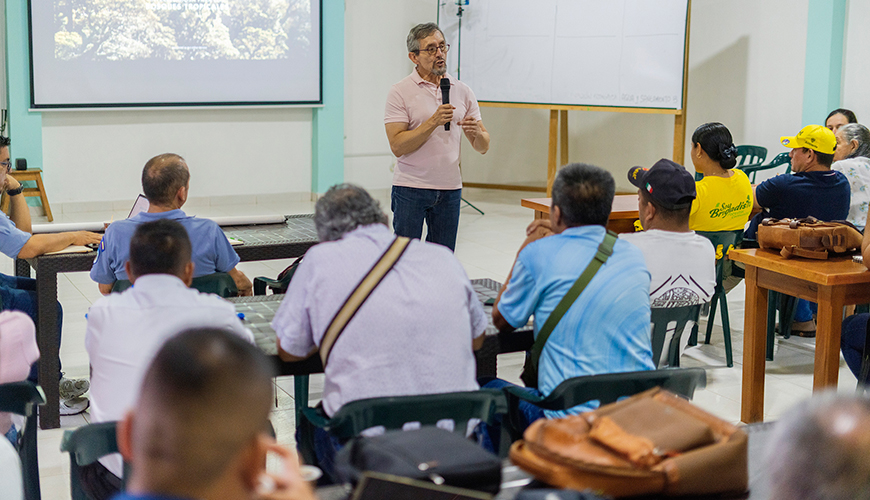
“We don’t need to be believers, Catholics, or Christians to care about protecting the Amazon. It is enough that we share a concern for preserving the planet, our common home, as Pope Francis called it in the encyclical Laudato Sí,” said IRI-Colombia Senior Advisor Carlos Augusto Lozano during the opening of the meeting, whose central theme was agroforestry.
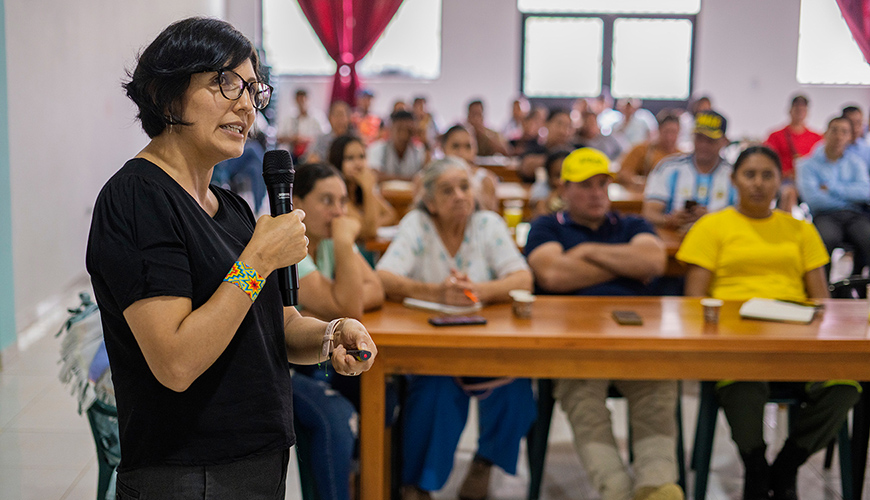
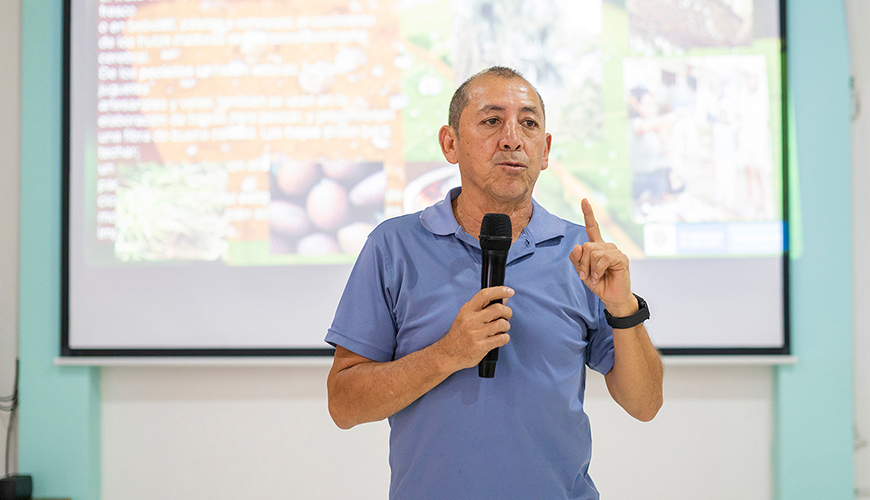
Geographer Belén Ojeda Cruz led the workshop on this topic. After providing attendees with an overview of the main geographical, biological, and ecological aspects of Putumayo and presenting the rising deforestation figures in the department, the expert explained what this sustainable land management system entails. In her presentation, she addressed the basic concepts, the main phases for implementing this type of project, the socioeconomic benefits, and its relationship to the bioeconomy. She also highlighted some successful initiatives carried out in the region.
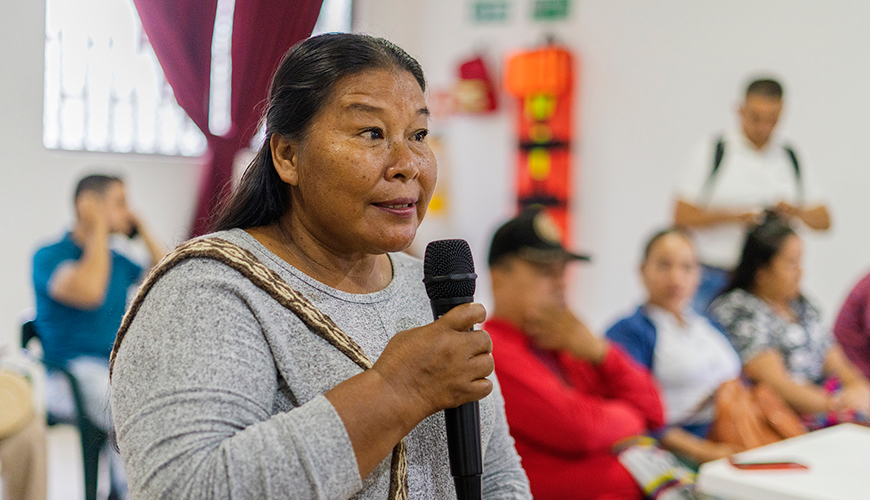
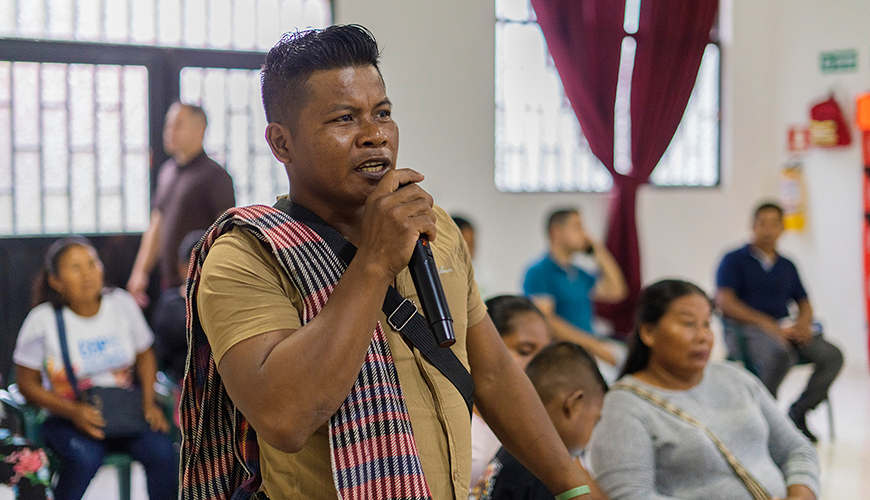
One of the highlights of the event was the roundtable discussion, featuring Victoria Yaci Guzmán, legal representative of the Association of Indigenous Women of Puerto Refugio Nacedero de la Palabra Dulce “Na+Merede Uai Komuyano o Mo+bi,” and Héctor David Cárdenas, from the Camu Camu Producers Association, Agrocamucamu.
During this session, designed to give communities a voice, the leaders shared, from their own experience, the main challenges of sustainable production of Maraco cacao and Amazonian fruits such as camu camu—which, after several years, has ensured their food security and empowered dozens of women and families in the region.
“We were able to identify a large number of deforested areas near one of our water sources, caused by illicit crops,” noted Yaci, who explained how this reflective exercise served as the impetus for creating a women’s group that initially sought to restore their values and reclaim their own food supply. “There are many opportunities to make our dreams a reality. We must organize ourselves, plan ahead, and think about how we want to do it. Projects must come from the communities themselves,” added the Indigenous leader.
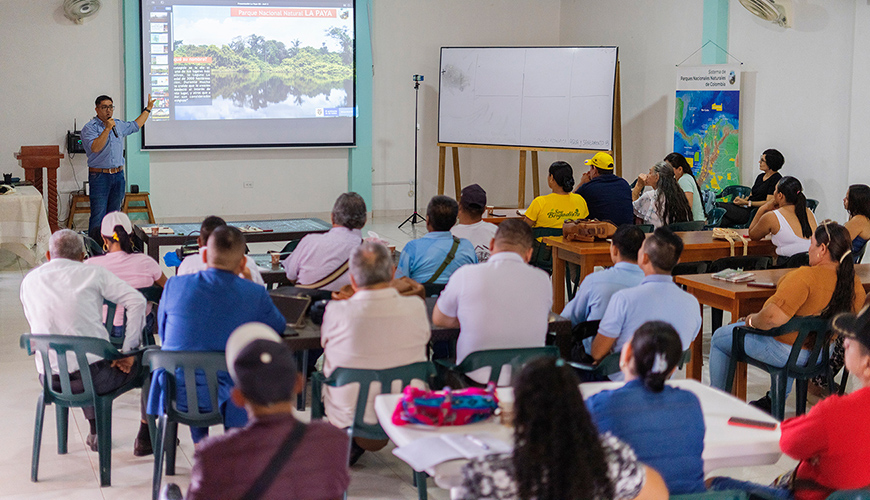
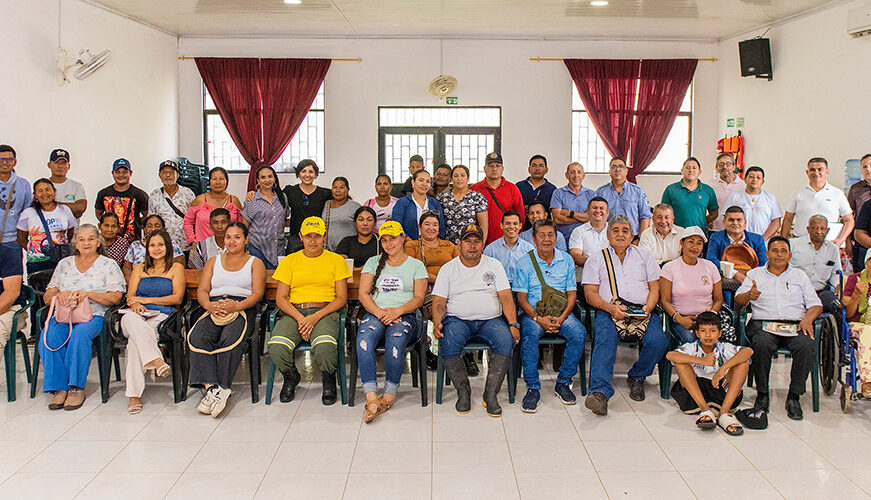 More than 50 leaders participated in the process of forming local chapters of IRI-Colombia in Puerto Leguízamo.
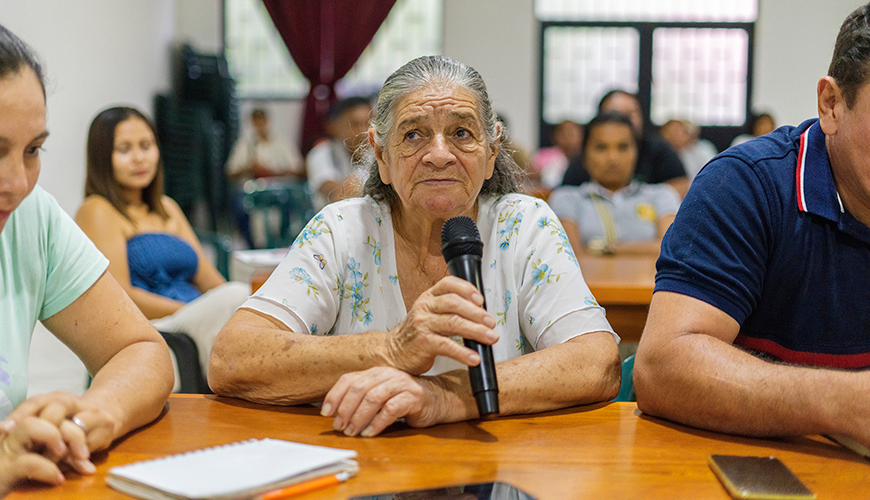

Natural Parks: A Treasure Trove of Life
In addition to gaining insight into the main challenges and benefits of implementing agroforestry systems, members of the local IRI-Colombia chapters in Puerto Leguízamo had the opportunity to learn about the local government’s progress in environmental protection and restoration.
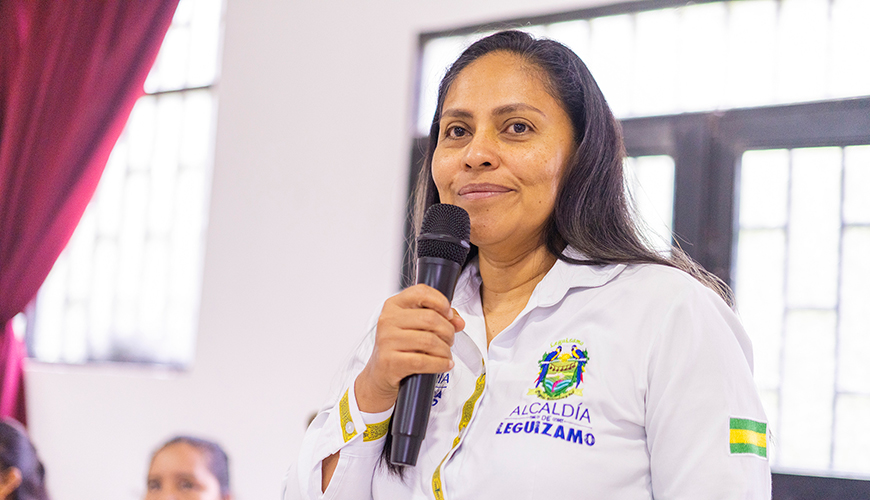
“We’ve planted around 5,000 plants; however, only about 10% are still alive today. This happens because it’s not just about planting—we also have to care for them. That’s why we need the communities to get involved. If we don’t raise that environmental awareness, it doesn’t matter how many seedlings we plant,” emphasized Loreny Amparo Rivera.
Together with the Secretary of Government, Carlos Arbey Claros, the Secretary of Agriculture and the Environment presented an overview of the programs being carried out by the municipal government regarding wetland restoration, water source pollution, and reforestation, among other initiatives.
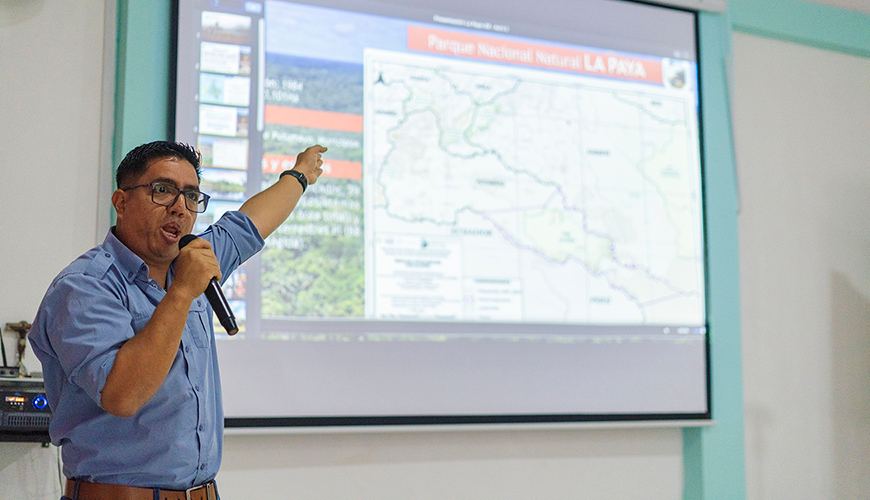
Furthermore, protected areas also played a key role. With the guidance of professionals from Colombia’s National Natural Parks—José Alzate Henao and John Alexander Rojas—attendees learned about the National Natural Parks System and recognized the biological, geological, ecological, and cultural richness of La Paya National Natural Park. Located in the Lower Putumayo region, this 422,000-hectare protected area is notable for its great biodiversity, its network of wetlands and tropical forests, and for being home to four indigenous peoples: the Siona, Murui Muina, Kichwa, and Coreguaje.
With this new educational workshop—aimed at promoting actions that enable the sustainable development of Putumayo’s communities and the restoration of Amazonian ecosystems—the Interreligious Initiative for Tropical Forests (IRI-Colombia) concluded the first training cycle of 2026 in the department of Putumayo.