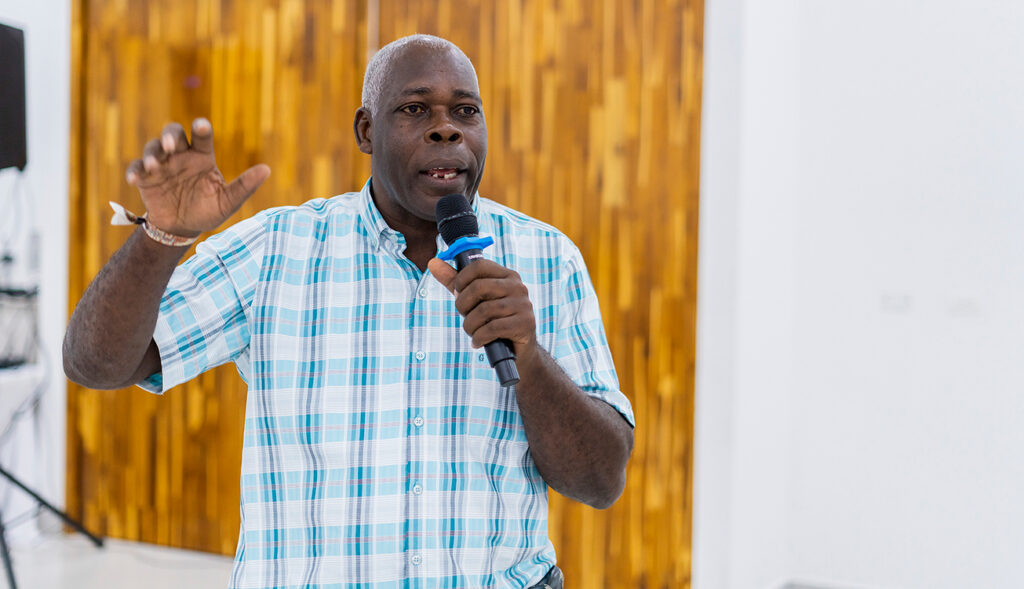
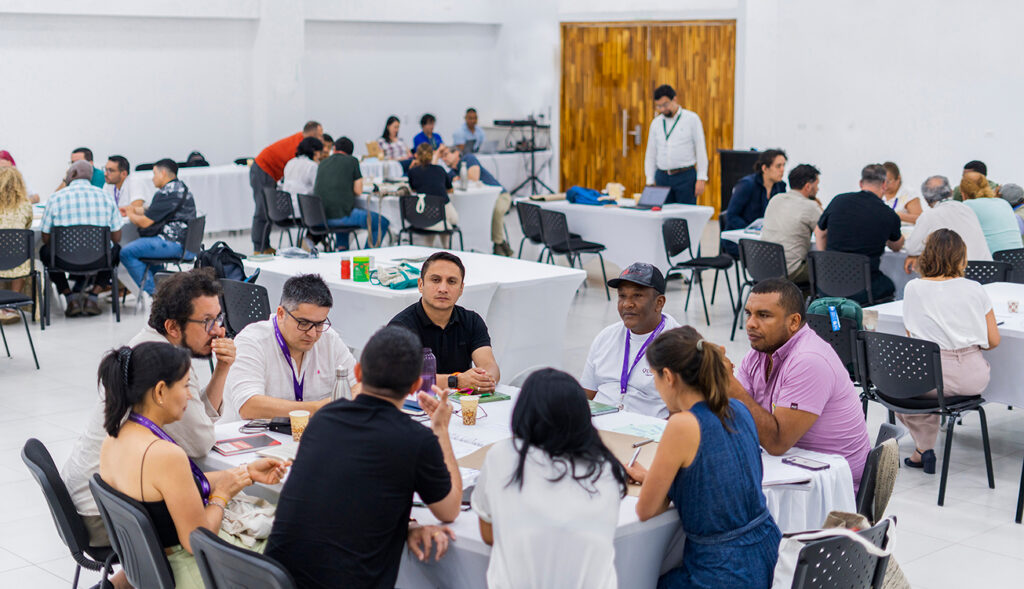
Protecting the Colombian Amazon is not merely an environmental task, nor is it the sole responsibility of the six departments that comprise it. During the Legislative Workshop of IRI-Colombia’s 2026 Amazon Scientific Immersion Conference, members of Congress and experts developed a roadmap to turn the region’s challenges into priorities on the legislative agenda and into a national strategic issue.
Conditions essential to Colombia’s water, climate, food, energy, territorial, and economic security depend on the stability of the Amazon. For this reason, its protection is a strategic national issue that extends beyond environmental policy or the departments that make up the region.
This was one of the main conclusions of the Amazon Scientific Immersion Workshop, organized by IRI-Colombia last June in San José del Guaviare.
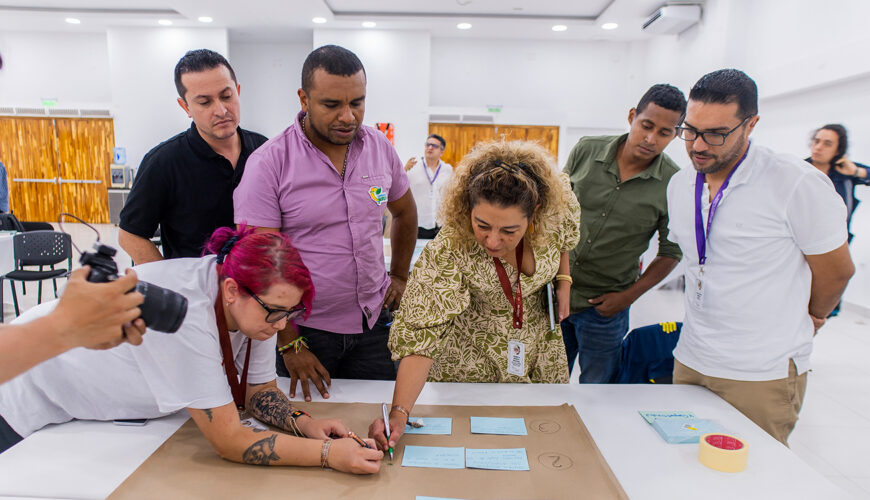
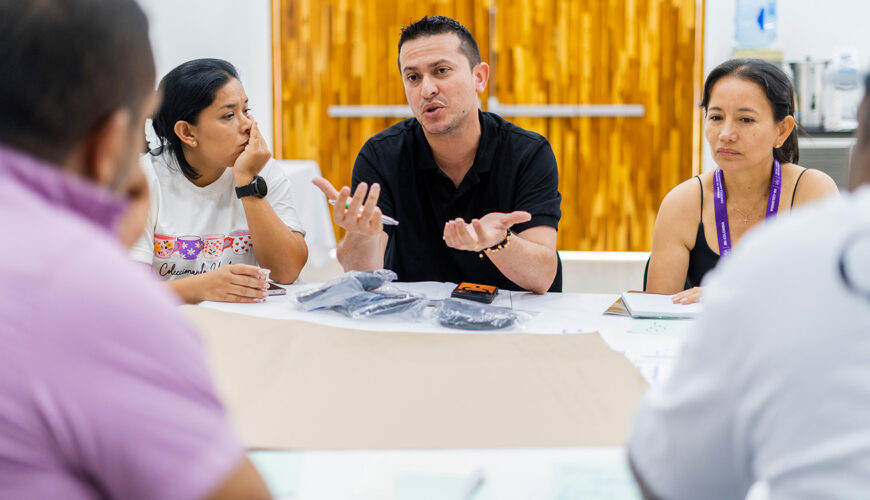
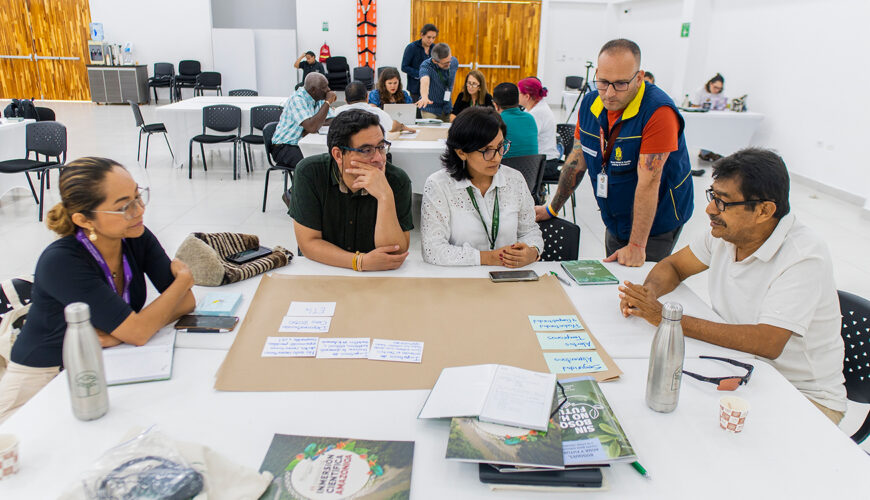
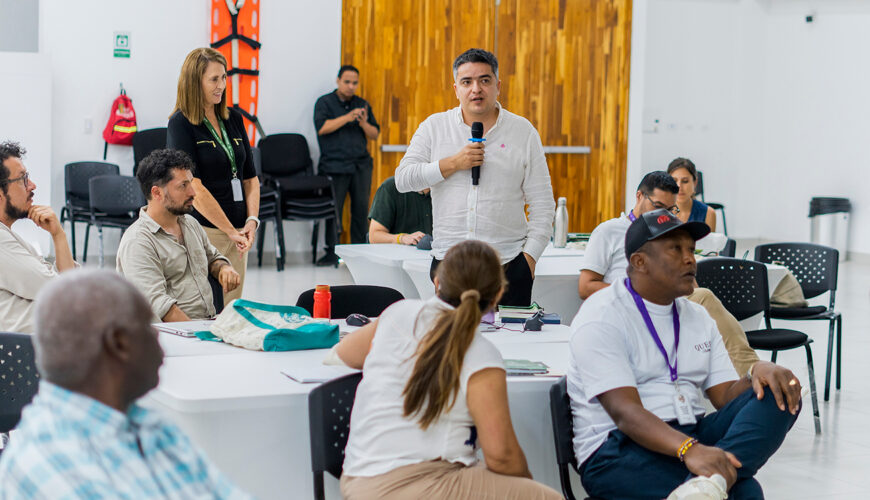
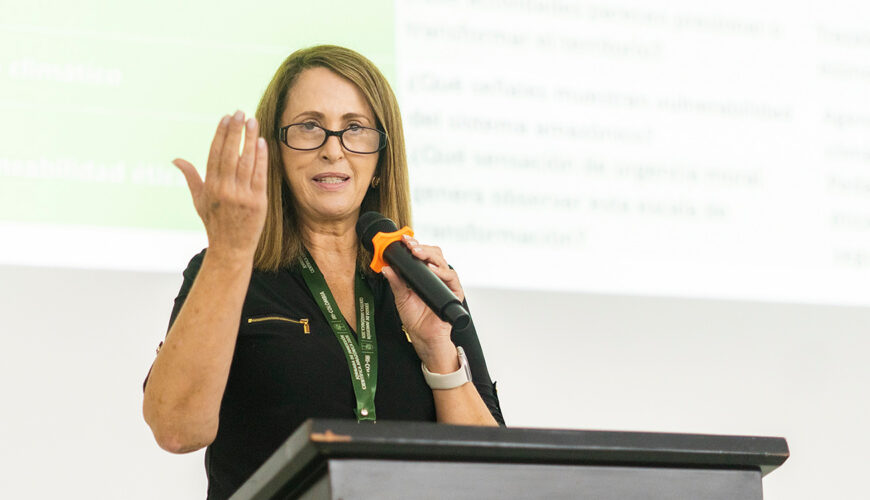
One of the most significant moments of this gathering was the Legislative Clinic, a space for reflection and collaborative creation, in which a group of 15 members of Congress and their advisors, along with religious leaders from IRI-Colombia, scientists, experts, and journalists, took the first steps toward developing a roadmap for action by prioritizing issues that, during the new legislative session, can lay the groundwork for coordinated legislative efforts to protect the Amazon.
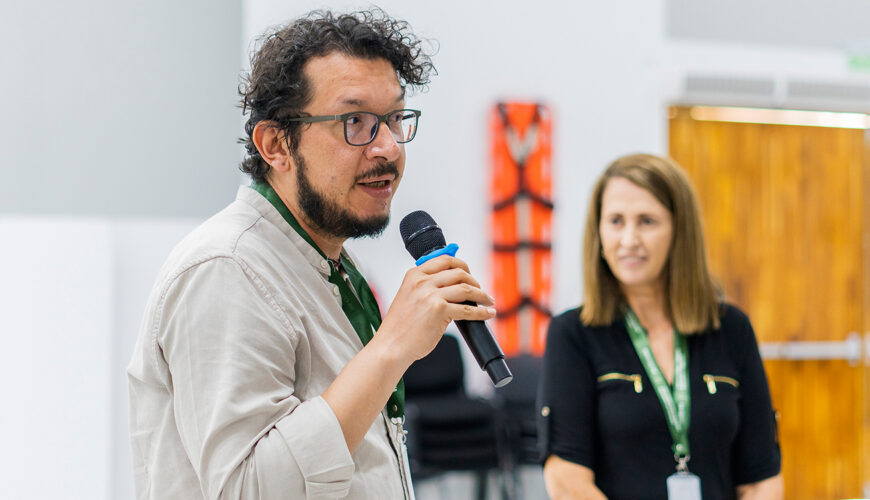
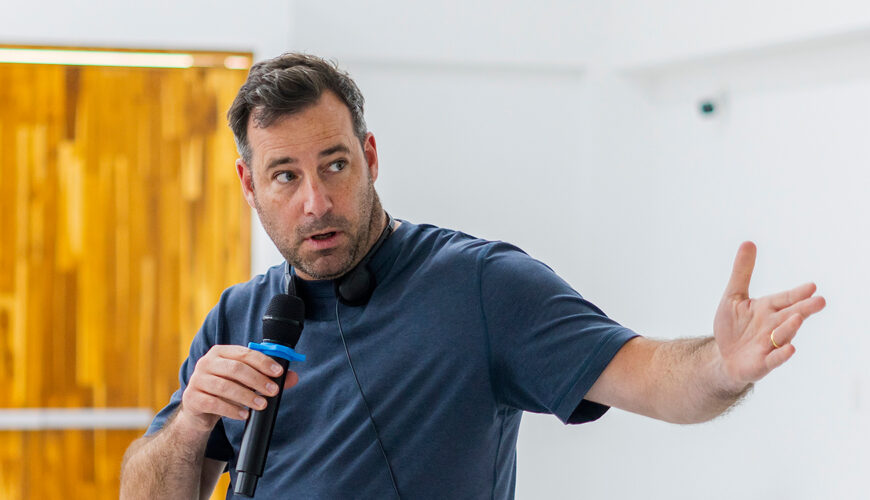
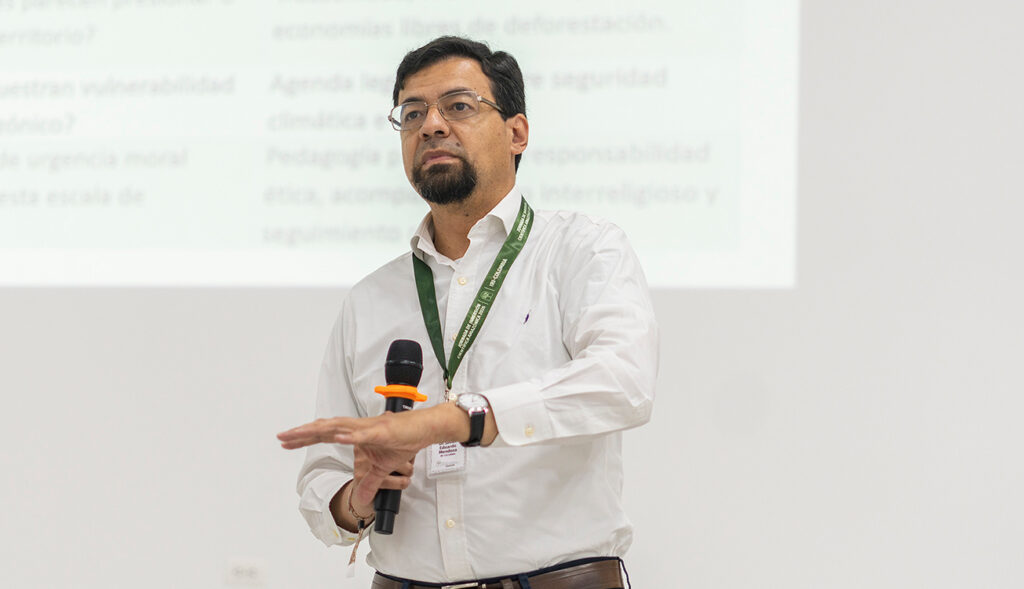
“This issue demands a response that transcends sectors, terms of office, and political-administrative boundaries. It also explains why the Amazon agenda concerns Congress as a whole and not just the committees directly related to the environment and natural resources,” noted Javier Eduardo Mendoza, an expert in sustainable development and advisor to IRI-Colombia, who served as the facilitator for the exercise.
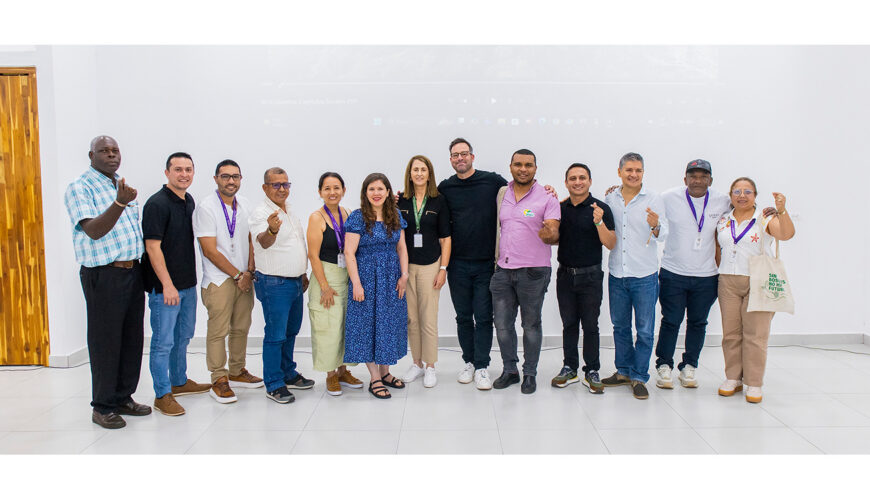 Congressmen Arnulfo Mina Garcés, Johnn Alexander Molina, Óscar Fabián Espinosa, and Miguel Ángel Rubio; advisor Mayely Martos; Ana Osuna Orozco, Blanca Lucía Echeverry, and Joseph Corcoran from IRI; Congressman Esneyder Gómez Salamanca and advisors Diego Guerrero and Didier Ocampo; Congressman John Fredi Valencia and advisor Elizabeth Goyes Buitrón. Photo: IRI-Colombia.
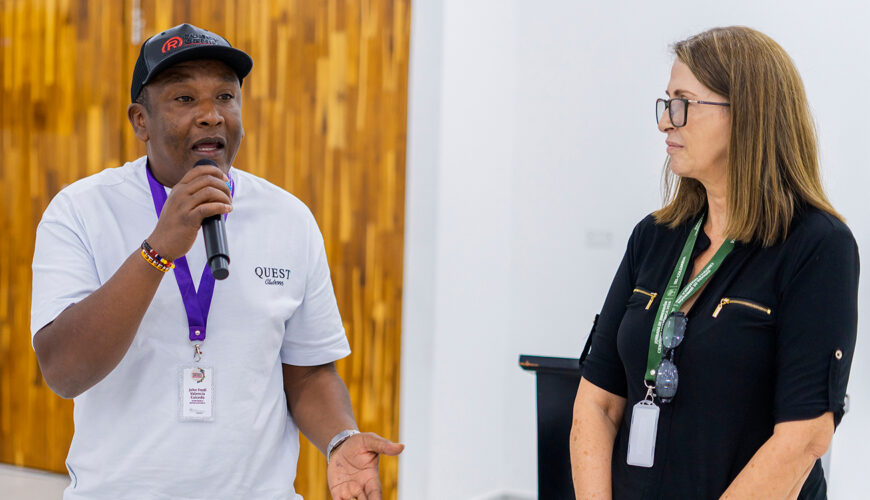
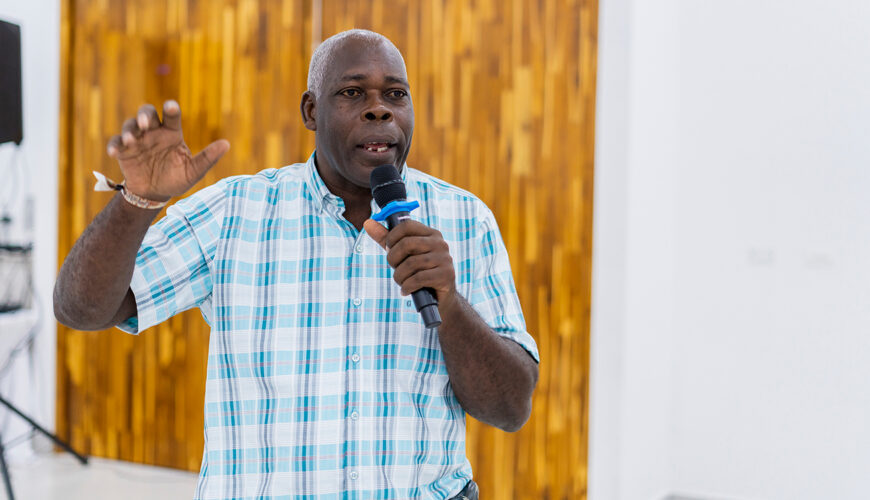
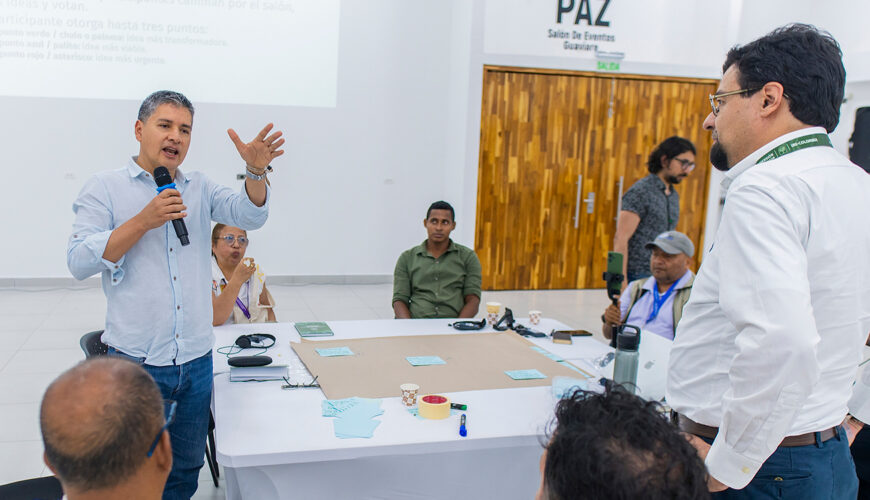
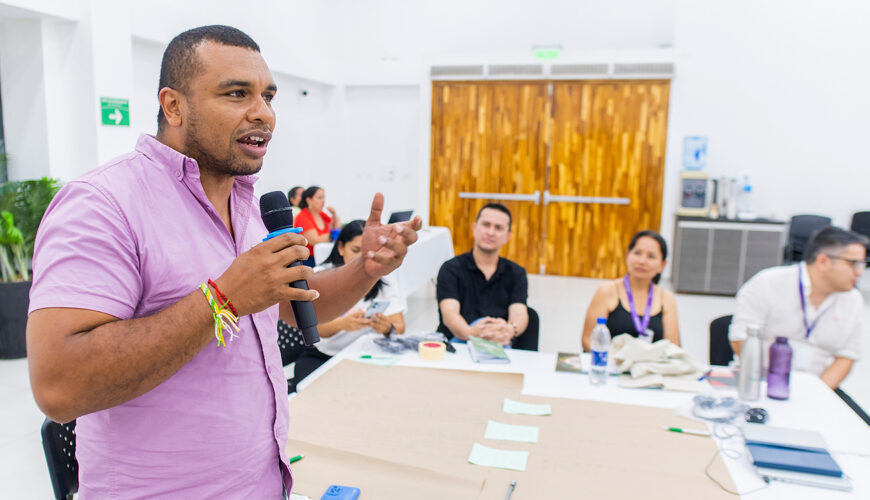
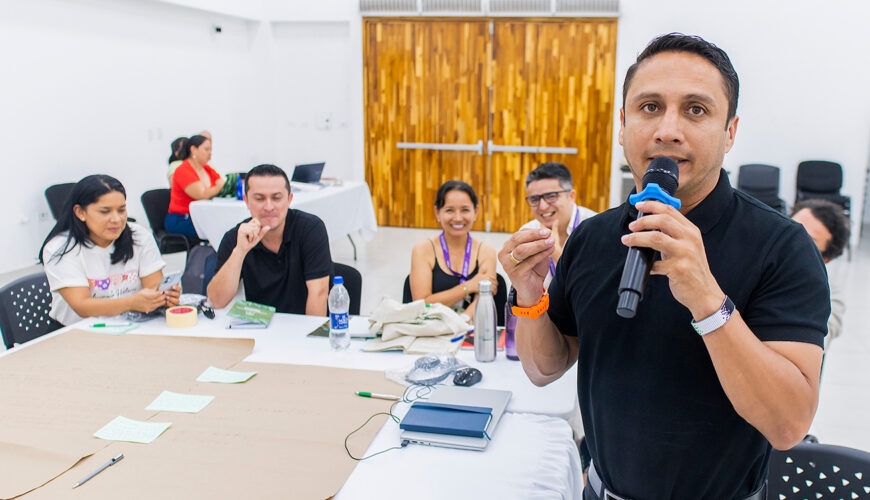


A Dialogue Between Science, the Territory, and Congress
The Legislative Clinic took place during the third session of the Amazon Scientific Immersion Day, which allowed participants to translate the scientific information—presented during the first session—the on-the-ground experience in the Serranía de La Lindosa, and the aerial surveys—conducted on the second and third days—into proposals for congressional action.
In addition, three keynote presentations were held throughout the day, highlighting critical factors for the protection of the Amazon and helping to energize the rounds of reflection and discussion: integrated fire management to prevent forest fires; the rights of nature and legislative advances regarding the Amazon; and the interconnections between this region and the Andes in terms of water resources.
“The Legislative Clinic did not aim to build absolute consensus but rather to identify sufficiently robust points of convergence to guide a shared and coordinated parliamentary agenda, without disregarding the diversity of perspectives, interests, jurisdictions, and territorial realities,” Mendoza noted regarding this exercise, which sought to identify priority issues for legislative proposals on urgent regulatory measures; ideas for political oversight of government policies or programs; and ideas for territorial work that respond to the needs of communities.
Six Priorities for an Amazonian Agenda
As a result of the Legislative Clinic, six points of convergence were identified, such as the need for a parliamentary body capable of advancing the Amazonian agenda; land-use planning as the backbone; the development of economies compatible with the standing forest; the strengthening of political oversight and budget monitoring; the integration of science, indigenous knowledge, and community experience; and the cross-cutting incorporation of intercultural, gender, and intergenerational approaches.
Furthermore, participants identified six alerts regarding priority issues, which “function as cross-cutting problems that link forest loss, water, climate change, land-use planning, rights, economies, security, the budget, and institutional capacity,” Mendoza noted.
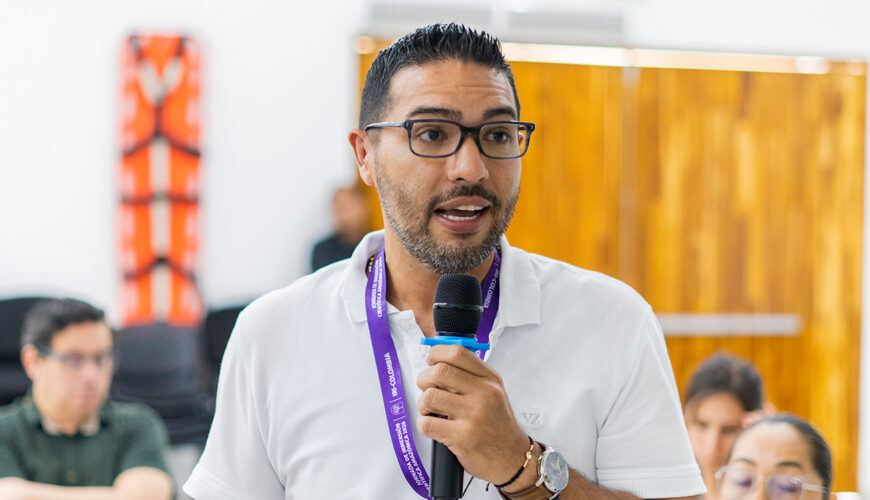
“These kinds of dialogues are necessary. It is of no use to science to have a deep understanding of the Amazon if it is disconnected from the political sphere, where decisions are made and change and development can be brought about,” said Representative Miguel Ángel Rubio.
These alerts could guide an initial parliamentary decision: determining what response each requires, which instrument should be activated, which entities and territories should be involved, and which outcomes must be verified during the legislative session.
These issues include reducing net deforestation of natural forests to zero hectares per year by 2030—a long-term goal that requires compliance indicators, budgetary milestones, and territorial outcomes to be evaluated annually to determine the level of progress or regression relative to the 2030 target. Water and climate security; land-use planning, connectivity, and integrated fire management; indigenous governance, territorial rights, and the protection of leaders; territorial economies compatible with standing forests; and the gap between regulations, budgets, and results.
A Commission to Make the Amazon a National Priority
Congress’s power does not consist solely of enacting new laws. The Amazon also needs Congress’s ability to bring people together, “which allows it to convene national and territorial entities, indigenous authorities, communities, scientific institutions, productive sectors, social organizations, and aid partners to address problems that no single institution can solve on its own,” Mendoza noted. Senators and members of the House of Representatives have concrete tools to address the region’s challenges, and their leadership involves guiding national priorities, incorporating Amazon-related issues into the National Development Plan and sectoral plans, verifying the allocation and execution of resources, promoting consensus, strengthening institutional coordination, and ensuring the continuity of strategic policies beyond changes in government.
From this exercise in collective creation emerged the idea of forming the Ad Hoc Commission for National Coordination on the Amazon, a proposal driven by members of Congress that will be supported by IRI-Colombia. This platform for parliamentary coordination, advocacy, and oversight will make it possible to connect disparate agendas and jurisdictions; ensure continuity between legislative sessions; translate scientific evidence and territorial knowledge into parliamentary action; promote solutions developed in collaboration with local communities; monitor policies, budgets, and government obligations; and report on verifiable results.
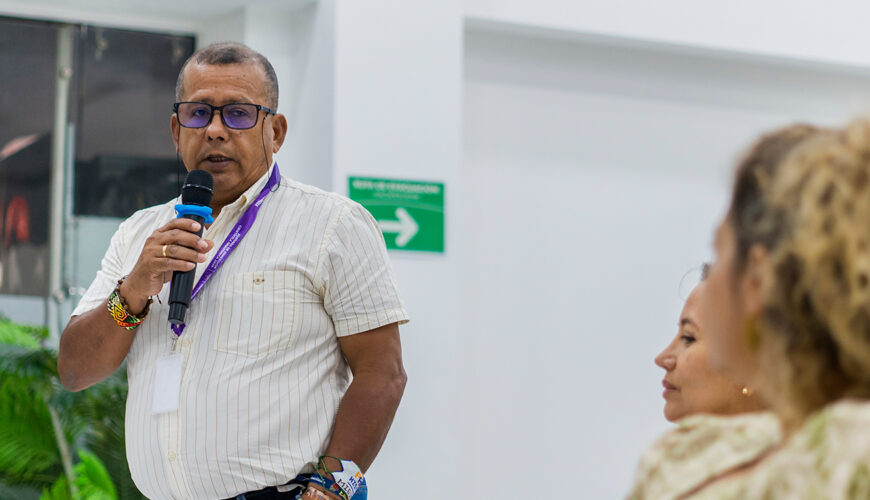
“It is an ethical commitment to seek the common good. This includes defending nature, caring for it, and using it rationally, with future generations in mind,” Representative Arnulfo Mina Garcés.
The Ad Hoc Commission for National Coordination on the Amazon will serve as a political and institutional signal through which the Congress of the Republic recognizes the Amazon as a permanent matter of state, related to Colombia’s water, climate, food, territorial, economic, and democratic security.
“The goal is to position Amazonian issues as matters of national importance. We are talking about a matter of general interest—not the interests of a few citizens or a single region, but the stability of the nation,” explained Fernando Fierro, coordinator of Senator Julio César Estrada’s Legislative Office (UTL), who served during the previous legislative session.