
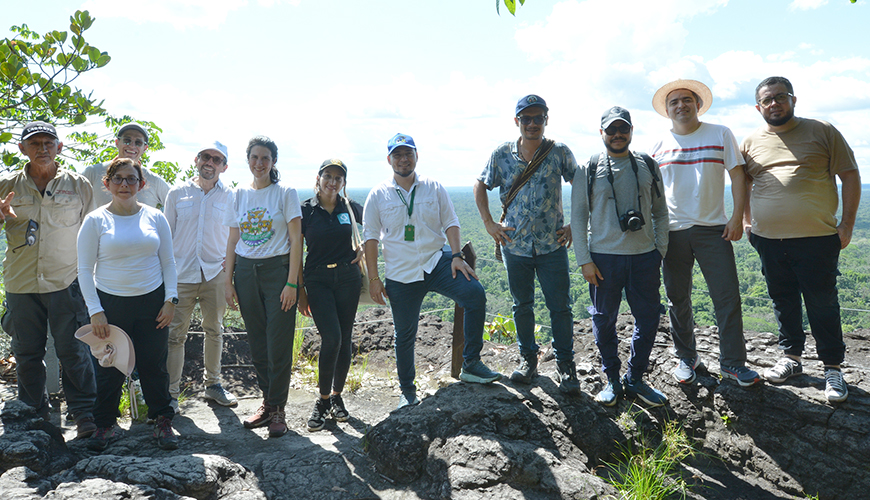
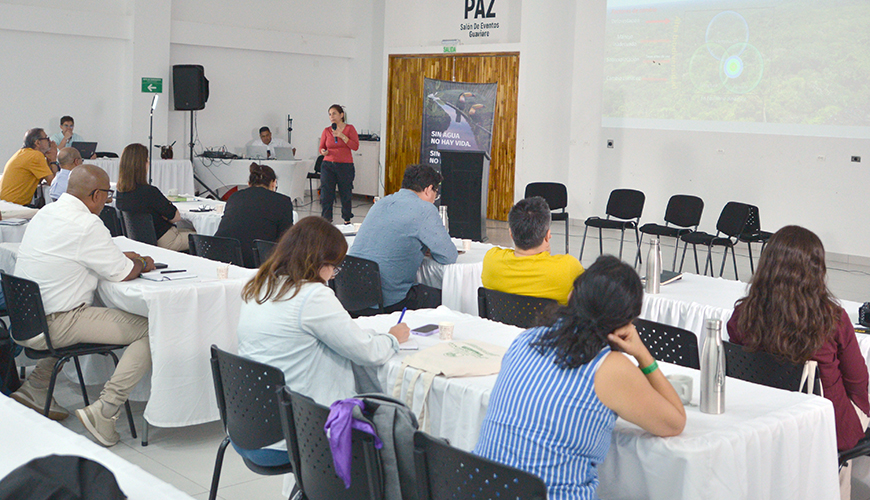
With unprecedented participation from congressmen, magistrates, national and regional government authorities, multilateral organizations, scientific institutions, strategic allies, religious leaders, and regional, national, and international media communicators, IRI-Colombia held the first Scientific Immersion Conference in the Amazon from November 20 to 23 in San José del Guaviare.
This initiative, conceived as a high-level forum integrating science, spirituality, and decision-making, marked a milestone in how the country approaches the Amazon crisis.
It was designed to generate an ethical, technical, and territorial understanding of the Amazonian reality, strengthening analytical and decision-making capacities at a time when the biome faces the real risk of reaching the point of no return, with effects on biodiversity, global climate stability, the rights of indigenous peoples, and water security.
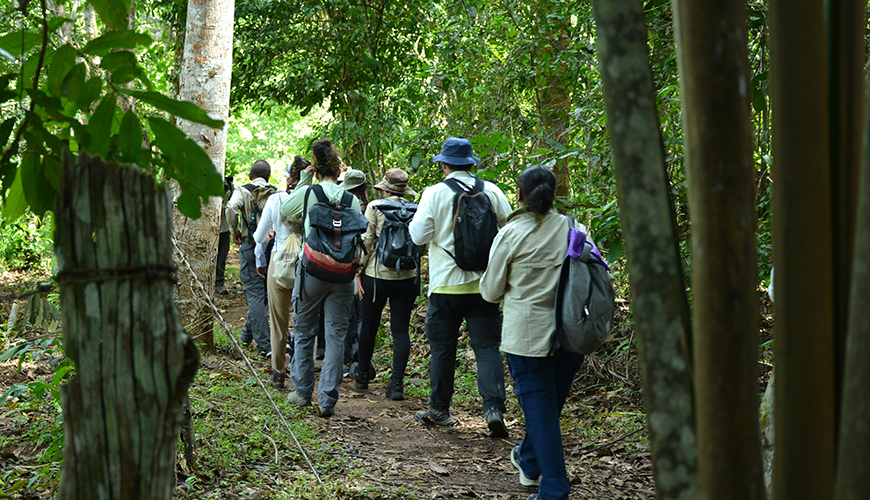
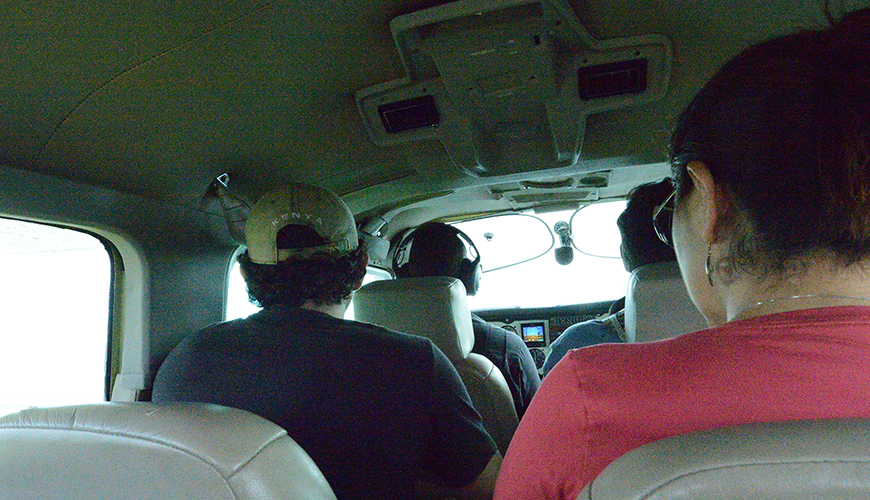
For three days, participants accessed cutting-edge scientific evidence, visited the La Lindosa–Angosturas II National Protected Forest Reserve, toured the Sinchi Institute’s Biofilia exhibition, and took a reconnaissance flight to observe deforestation and illegal mining, seeing from the air the impacts that have transformed the Amazonian landscape over decades.
The learning spaces included sessions with the Amazonian Institute for Scientific Research Sinchi, the Humboldt Institute, the National Unit for Disaster Risk Management (UNGRD), and Visión Amazonía. These organizations offered in-depth analyses on biodiversity, ecological connectivity, satellite monitoring, risk management, and priorities for the Amazon biome.
An ethical, scientific, and spiritual call to defend the Amazon
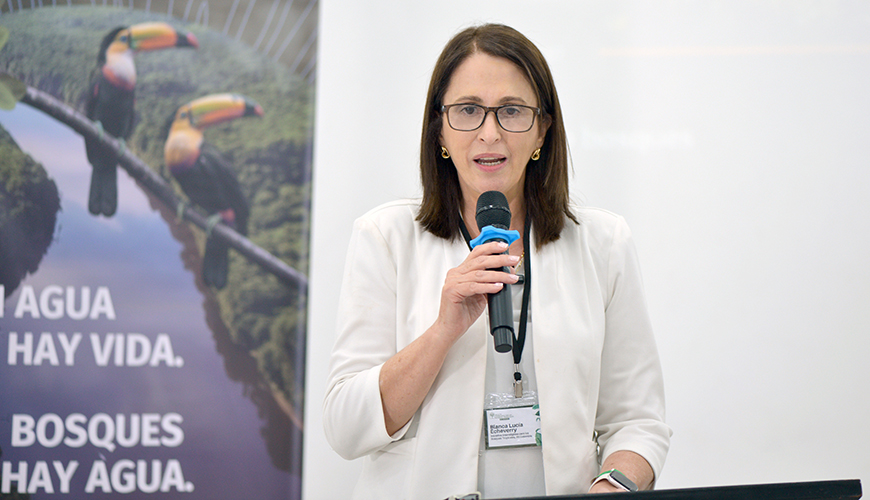
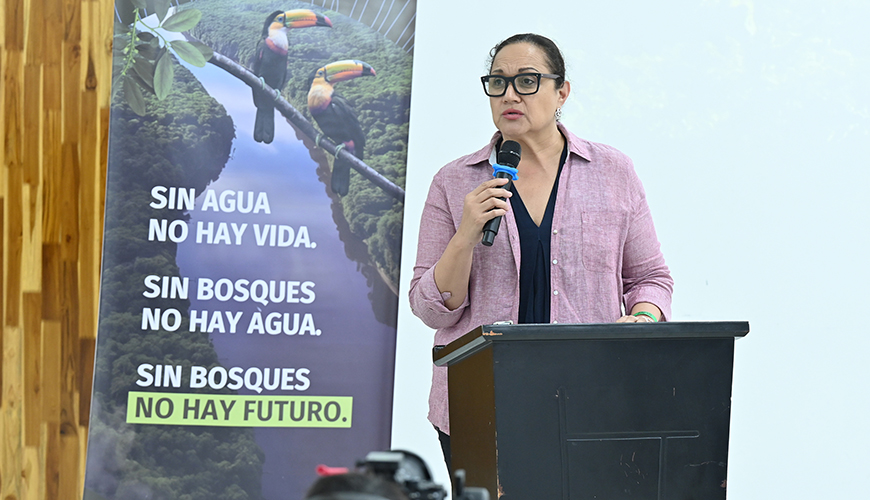
“The time for remote concern has expired,” declared Blanca Lucía Echeverry, who established the Scientific Immersion Day in the Amazon. In her speech, the director of IRI-Colombia emphasized the moral and strategic urgency of taking action in the face of accelerated forest loss in the region and stressed that this region is not a peripheral territory, but rather the regulatory heart of Colombia’s climate, water, and life.
The Amazon is dangerously close to irreversible ecological thresholds, and the decisions Colombia makes in the coming years will be crucial to avoiding the point of no return, warned Dolores Barrientos, who gave the inaugural lecture “The role of the Amazon in global climate stability: the tipping point for Colombia and the world.”
The representative of the United Nations Environment Programme (UNEP) reaffirmed that forest protection is not only a national issue but also a global responsibility, and stressed the importance of coordinating public policies, science, and international cooperation to ensure climate stability in the country and the region.
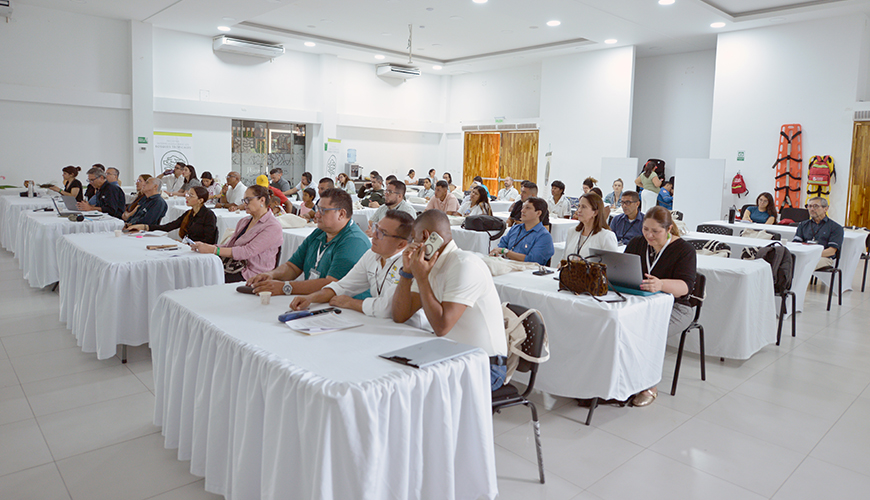
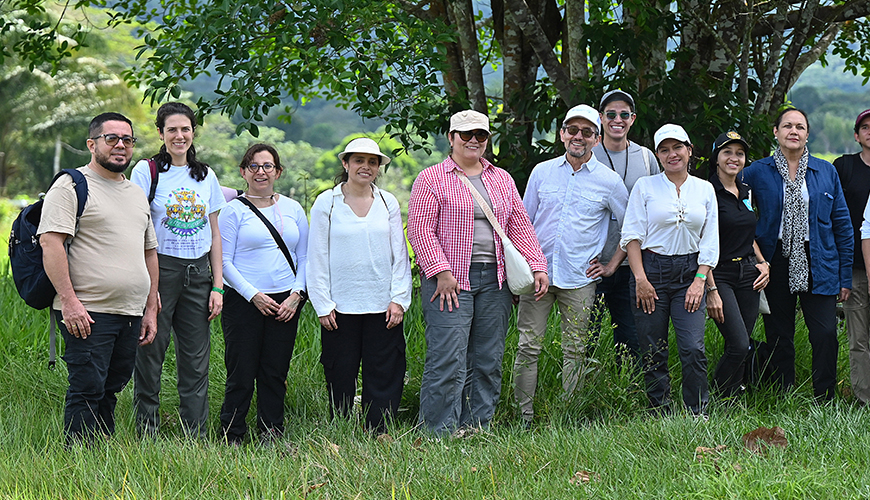
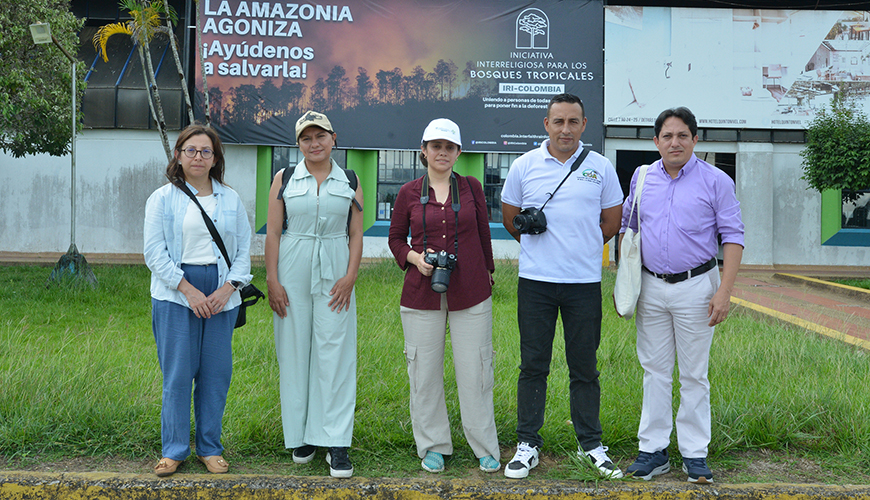
 Attendees from the local chapters of IRI-Colombia at the Amazon immersion day in San José del Guaviare.







Local voices guiding national action
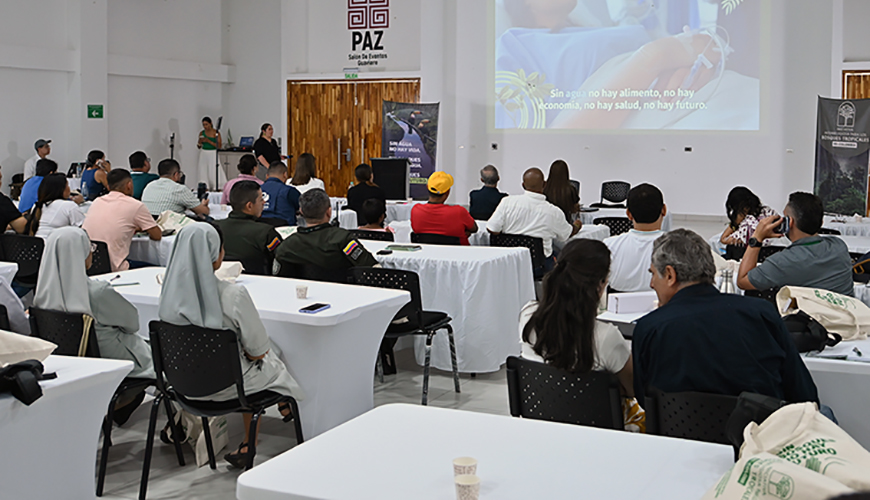
The panel “Governance of the Amazon: challenges and opportunities from the territory” brought together the mayor of San José del Guaviare, Willy Alexander Rodríguez, and the acting governor, Kelly Castañeda, who discussed the pressures faced by local governments in the face of the expansion of illegal economies, changes in land use, and persistent deforestation.
His interventions enabled national decision-makers to understand, without intermediaries, the complexity of governing a territory where environmental, social, economic, and security challenges converge, and where state action requires close coordination between scientific institutions, environmental authorities, territorial governments, and local communities.
The first session of the Scientific Immersion Day culminated with a dance performance by the joropo group El Cabrestero, from the Departmental Secretariat of Culture, and the presentation of the IRI-Colombia campaign, “Without forests there is no future,” a campaign that combines communications, political advocacy, and work in the field with the aim of raising awareness about the urgency of protecting the Amazonian forests to guarantee the country’s water security.
“Water is essential for life, and it is life itself that is at risk if we do not act to protect it,” warned Diana Cristina Carvajal, communications director at IRI-Colombia.
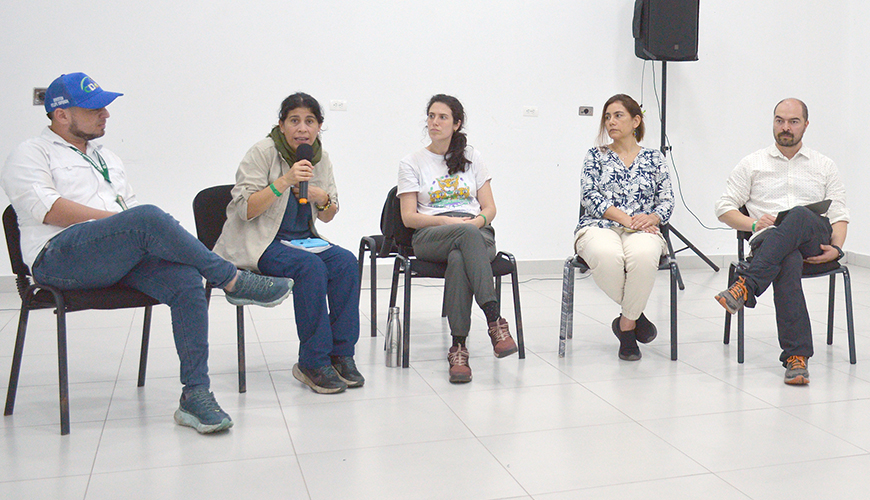 Felipe Esponda, regional director of the CDA, Marcela Lozano Borda, from the Humboldt Institute; Magdalena Arbeláez, from the Norwegian Embassy, Sandra Castro, from the Sinchi Institute; and Francisco Luque, from the UNGRD.
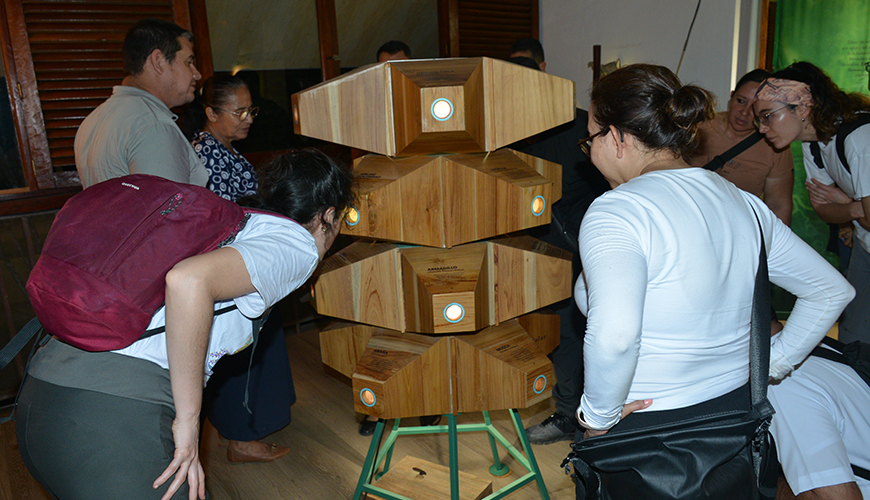
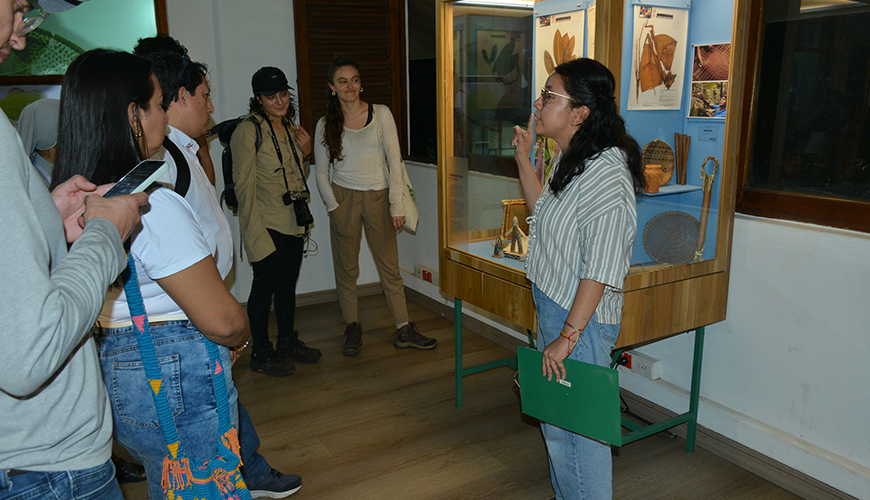

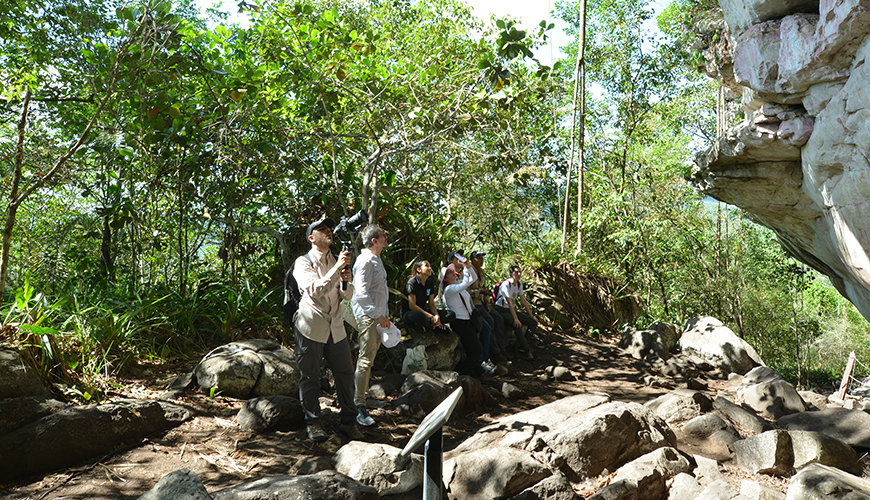


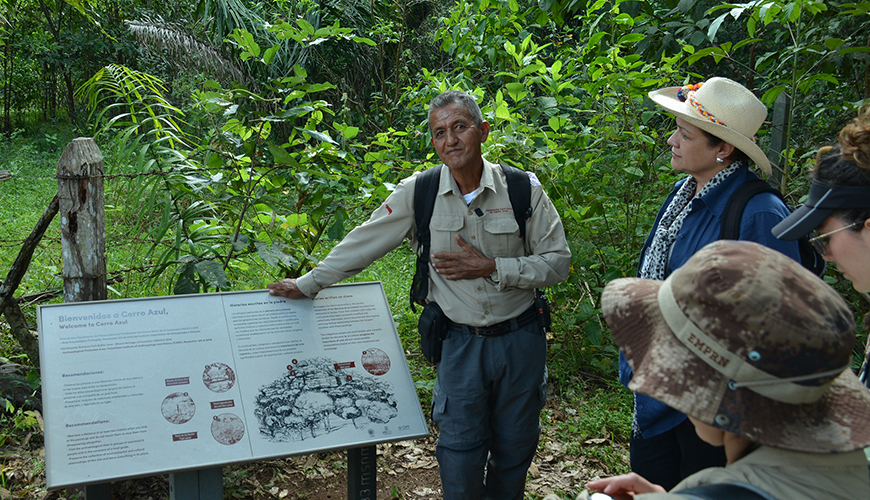



Science, ancestral memory, and territorial governance: keys to protecting the Guaviare–Chiribiquete corridor
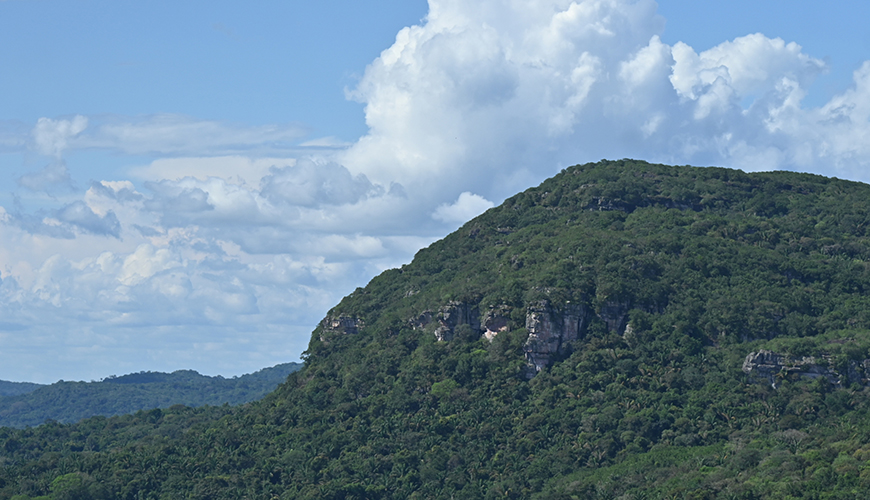
During the second session of the Scientific Immersion Day in the Amazon, participants visited Cerro Azul, a natural and archaeological treasure located in the Serranía de La Lindosa mountain range.
This experience allowed them to appreciate the majesty of rock art and the biological richness of the territory, while also creating a space for in-depth dialogue on the relationship between science, local knowledge, and public policy decisions.
“This route recognizes not only scientific, social, and biological knowledge, but also local and ancestral knowledge,” said Marcela Lozano Borda, manager of the Humboldt Institute’s Center for Social Appropriation of Knowledge, who moderated the panel “From La Lindosa to Chiribiquete: the biogeographical link and the keys to protecting the great Guaviare corridor.”
This space brought together technical voices that are fundamental to the protection of this ecological corridor: Felipe Esponda, regional director of the CDA; Magdalena Arbeláez, climate and forest advisor to the Norwegian Embassy; Sandra Castro, researcher at the Sinchi Institute; and Francisco Luque, advisor to the UNGRD’s Risk Reduction Subdirectorate.
The panelists reflected on the importance of this biogeographic connector, which links the Serranía de La Lindosa, the Amazonian-Orinoco transition landscapes, and the Chiribiquete National Natural Park.
During the conversation, the panelists emphasized that protecting this territory requires integrating scientific evidence with the knowledge of local communities and strengthening environmental governance through inter-institutional coordination between environmental authorities, scientific institutes, risk units, local governments, and international cooperation. Likewise, it requires implementing actions differentiated by territory and ensuring a state presence capable of offering legitimate and sustainable economic alternatives to communities.
 Pastor Janier Islen Cardona, of the Pan-American Church; Father Gregorio Chacón, of the Diocese of San José del Guaviare; and Gabriel Pérez, executive director of the Evangelical Confederation of Colombia, CEDECOL.









The Amazon from the air: a vivid diagnosis of the point of no return
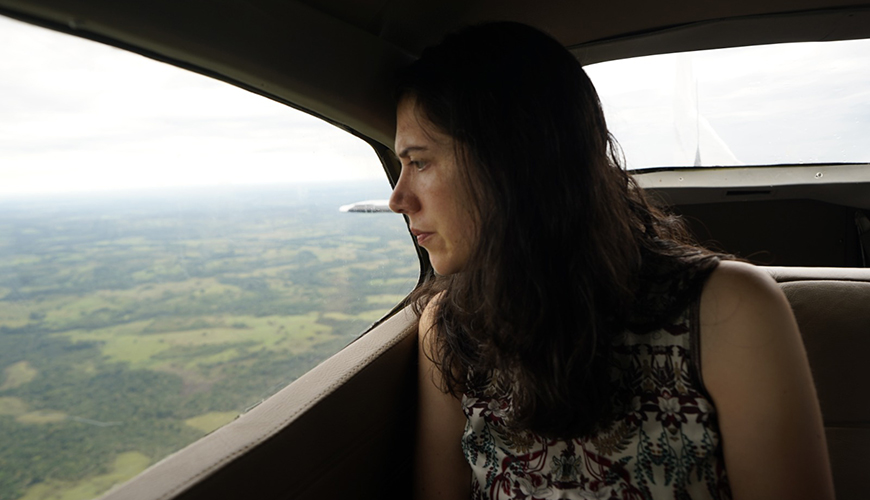
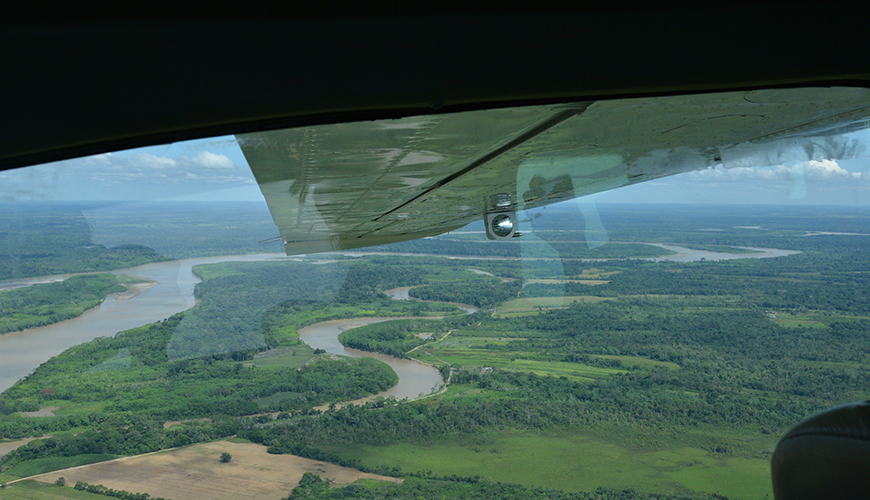
The third session of the Scientific Immersion Day was marked by one of its most revealing and moving moments: the flyover of the Guaviare department, a journey designed to allow participants to observe the true extent of deforestation, patterns of forest degradation, and the clear signs of rapid transformation of the territory.
On board small aircraft, guests flew over the eastern part of the department, traveling from north to south through the township of Charras and the municipalities of El Retorno, Calamar, and Miraflores, areas that for decades have been under pressure from the advance of the agricultural frontier, the construction of informal roads, and the expansion of illegal economies.
“In the early 1990s and 2000s, this was a medium-intervention area. Today, it has become a high-intervention area. Only 30% of the coverage remains forest, and these are disconnected relics,” explained Bernardo Giraldo, director in charge of the Sinchi Institute headquarters in San José del Guaviare and one of the experts who led the tour.
From the air, participants found three overlapping realities: forests still standing, which are essential for maintaining ecological connectivity; areas in transition, with early signs of intervention; and highly degraded pockets of deforestation, where the forest has been replaced by grasslands for extensive livestock farming, makeshift roads, and agricultural patches.
These observations made it possible to identify not only the loss of forest cover, but also the structural drivers behind landscape transformation, such as road construction, occupation of protected areas, conversion of forest to pasture, and land speculation.
“The government seeks to turn these areas into centers of forestry development,” said Sandra Yaneth Castro, who accompanied the flyovers and gave a lecture entitled “Reading the territory: conceptual reflection on the flyover.”
According to the researcher at the Sinchi Institute, the institutions of the National Environmental System (SINA) are working to replace disorderly intervention models with territorial governance schemes that will contain deforestation and restore forest connectivity.
In his analysis, Castro also delved into the ecological consequences of forest loss: the decline in biodiversity, habitat fragmentation, the impact on wildlife that depends on the Guaviare–Chiribiquete corridor, and the degradation of ecosystem services that sustain life, water, and climate resilience.
A critical agenda for the protection of the Amazon biome
This aerial tour was complemented by the conference “A critical agenda: priorities for protecting the Amazon biome,” presented by Carlos Alberto Rivera. The doctor in Fundamental and Applied Ecology and professor at Javeriana University analyzed the factors that currently threaten the Amazon biome: the uncontrolled expansion of the agricultural frontier, the impacts of illegal economies, the weak state presence in strategic areas, soil degradation, and the accelerated loss of ecological connectivity.
He also stressed that preserving the Amazon rainforest is a national imperative that requires inter-institutional coordination, stronger environmental governance, and bold political decisions backed by scientific evidence and social sustainability.
In addition, in conversation with Bernardo Moreno from the Sinchi Institute and Julio Roberto del Cairo from the Corporation for Agricultural and Environmental Research and Development (CINDAP), the Agricultural and Environmental Development (Cindap), they analyzed the biophysical and climatic indicators needed to identify the tipping point of the Amazon, the sustainable use of forest cover as a mechanism to halt deforestation, and the economic, political, and governance obstacles facing the conservation and restoration of the Amazon.
A reflection on the moral duty to protect the Amazon
The Scientific Immersion Day in the Amazon concluded with a deeply meaningful session dedicated to examining the protection of the Amazon biome from an ethical and spiritual perspective.
At this closing ceremony, voices from theology, philosophy, faith, and public advocacy came together to emphasize that defending the Amazon is not only an environmental imperative but also a moral and civilizational mandate.
Edgar Antonio López, professor at Javeriana University, gave a keynote speech in which he analyzed, based on the thinking of philosophers, theologians, and humanists, how the preservation of the Amazon biome constitutes a sacred and shared mission. The doctor of theology emphasized that the socio-environmental crisis in the region challenges us as humanity and requires us to adopt an ethic of universal responsibility, capable of recognizing the intrinsic value of ecosystems, the dignity of indigenous peoples, and the duty to act before the damage becomes irreversible.
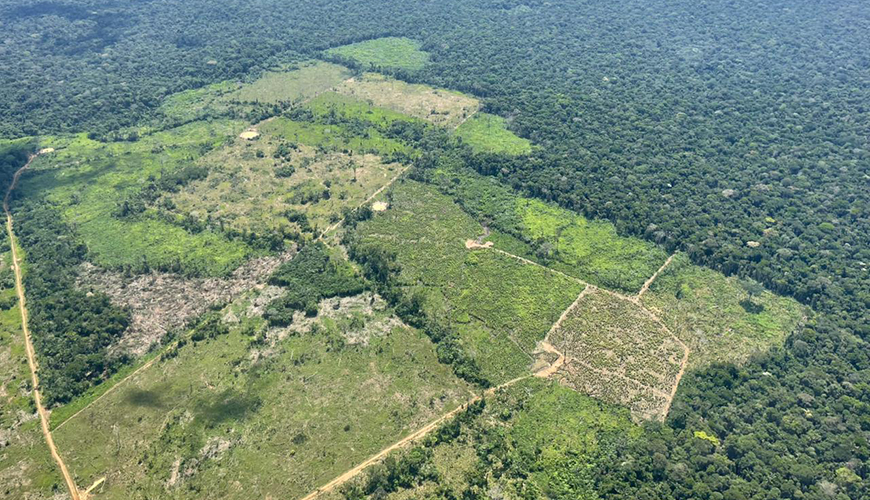 Deforestation hotspots in the Amazon rainforest of Guaviare.





Faith as a transformative force to protect the Amazon
The closing ceremony also highlighted the fundamental role of faith communities in defending forests. Father Gregorio Chacón, from the Diocese of San José del Guaviare, and Gabriel Pérez, executive director of the Evangelical Confederation of Colombia (CEDECOL), shared powerful reflections on the spiritual responsibility to care for creation and on the potential of churches to mobilize communities, raise awareness in territories, and bring people together.
Both leaders showed that faith, when combined with science and responsible public policies, can become a strategic ally for the restoration and protection of the Amazon, strengthening an ethical narrative that inspires real action at different levels of government and society.
In a panel moderated by Pastor Janier Islen Cardona, local coordinator of IRI-El Retorno, representatives of the Catholic Church and evangelical churches discussed the importance of building trust, common languages, and sustainable alliances between scientists, religious leaders, and public authorities. They agreed that the union between faith, science, and politics can multiply the impact of actions for the common good and accelerate the transformation of the territory.
A high-level multisectoral meeting
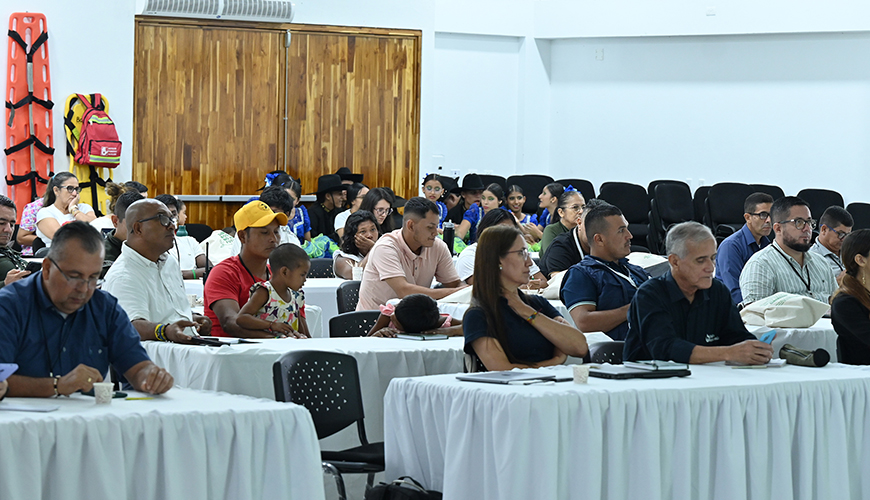
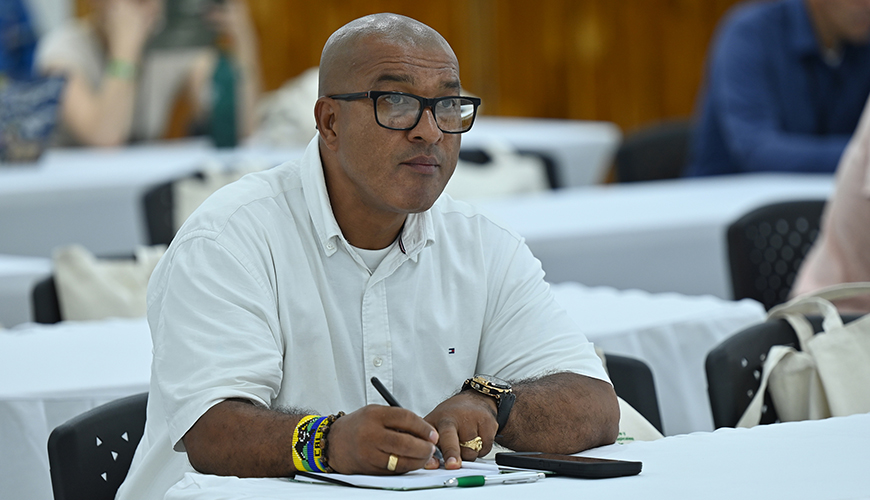
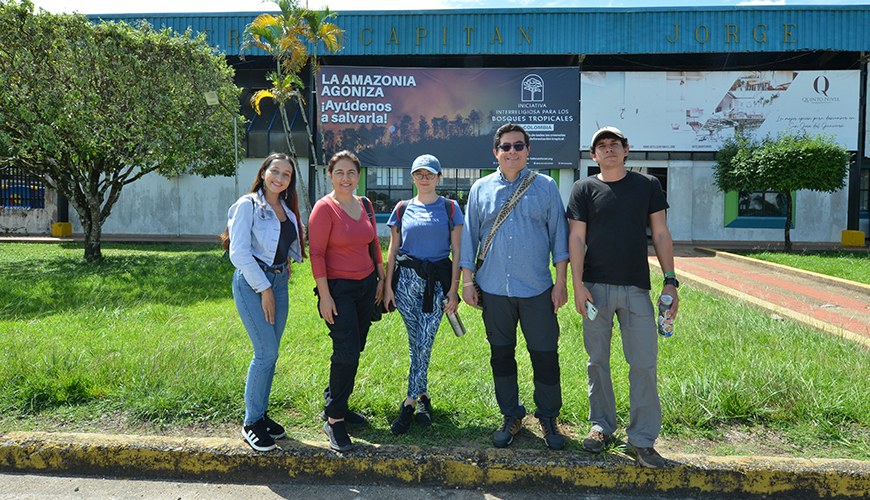
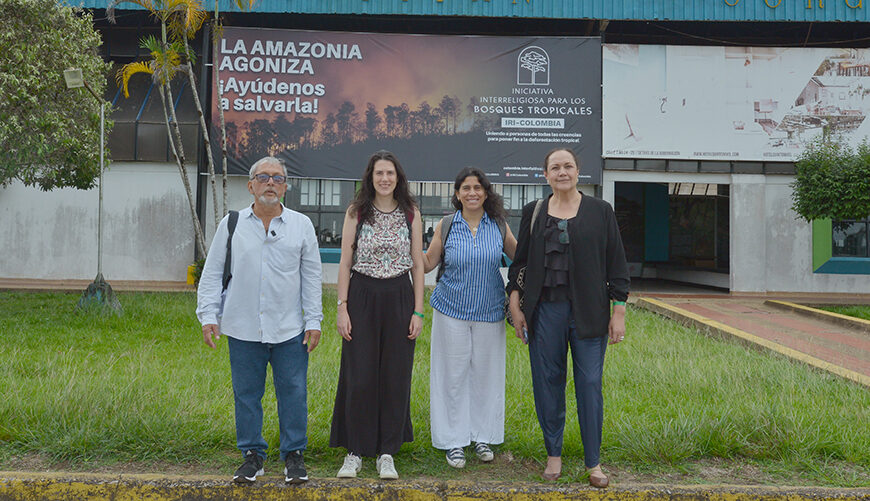
The Scientific Immersion Day brought together more than 80 participants from public institutions, international organizations, faith communities, the media, environmental authorities, academia, and local chapters of IRI in San José del Guaviare for three days.
The meeting was attended by Dolores Barrientos, UNEP representative in Colombia; Johanna Cortés Nieto, assistant judge of the Constitutional Court; Fernando Fierro, coordinator of Senator Julio Estrada’s UTL; Sandra Copete, advisor to Senator Carlos Guevara’s UTL; Geiny González, advisor to Representative William Aljure’s UTL; and Giovanny Garcés Reina, former mayor of Calamar, among other special guests.
The presence of these actors demonstrated that the Amazon brings together and unites traditionally separate sectors, creating a space where science, spirituality, politics, and territory converge to build real commitments to climate action and environmental justice.
This Scientific Immersion Day in the Amazon was not a goal achieved, but rather a starting point. Thanks to this unique experience, the country is moving toward a clearer vision of its historical responsibility to this region.
IRI-Colombia reaffirms its commitment to continue working—with technical rigor, spiritual leadership, and multisectoral action—to make the protection of the Amazon rainforest a shared cause, a national priority, and an urgent ethical duty.