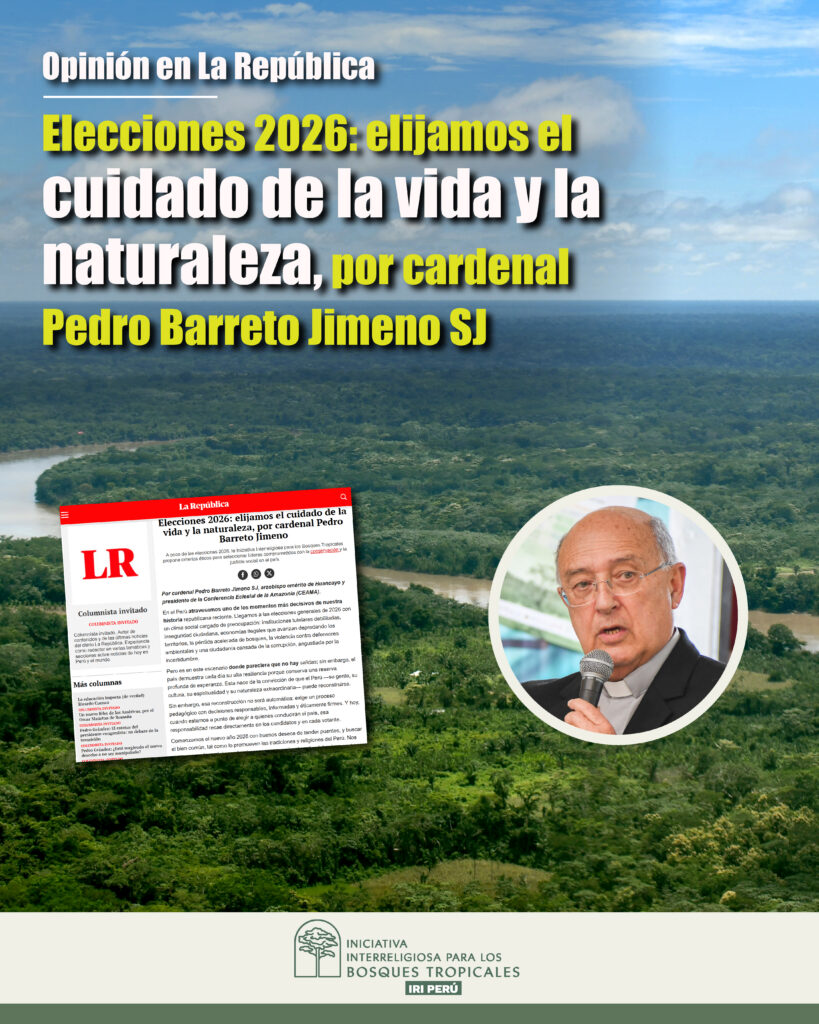
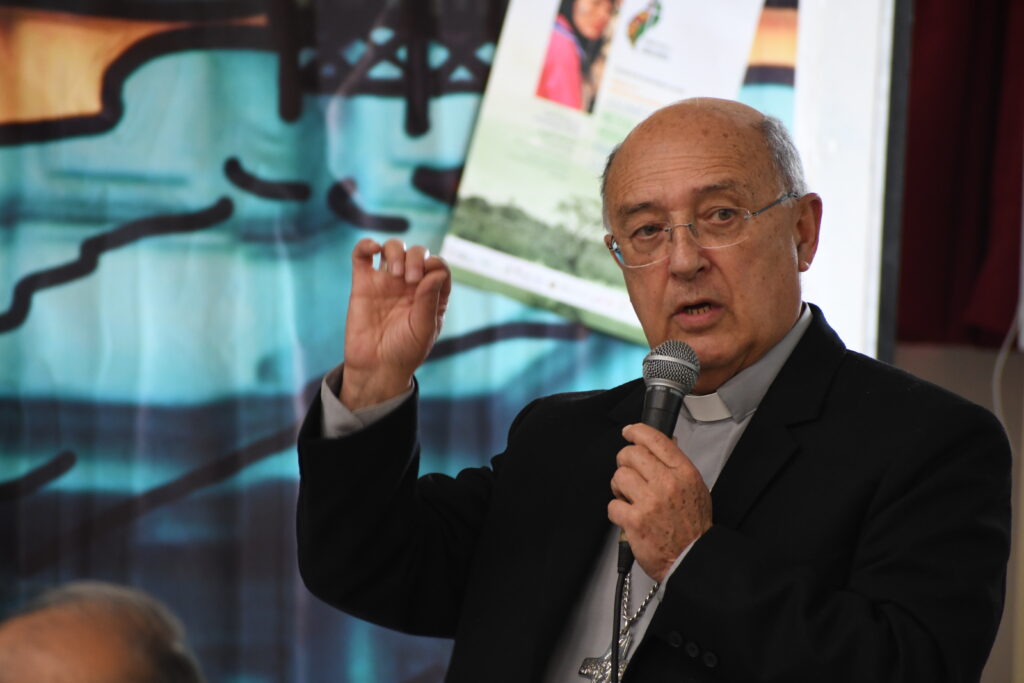
IRI Peru published an opinion column by Cardinal Pedro Barreto—one of the country’s most senior religious leaders—in La República outlining ethical criteria for the 2026 elections: honesty, sustainability, solidarity and the capacity to govern in the public interest. In Peru’s current political landscape, marked by high distrust, intense fragmentation, and a noisy campaign environment where voters face competing claims and thin programmatic distinctions, this kind of values-based public appeal is strategic precisely because it reframes the election around basic, broadly legible standards of integrity and responsibility, rather than partisan identity. It also equips communities with a shared language for accountability that can travel across regions, denominations, and social divides, especially in places most affected by illegal economies, corruption, and institutional weakness. The effort goes beyond messaging.
IRI Peru introduced an “electoral traffic-light” scorecard using five criteria (care for creation, respect for the law, economic and social development, defense of the most vulnerable, and personal integrity) developed through workshops with youth, religious leaders, and Amazon journalists and disseminated through trainings and media content under the slogan “grade your candidate.” Anchoring the outreach through a figure like Cardinal Barreto is also a force multiplier, as senior religious leadership confers moral credibility that political actors and advocacy coalitions often struggle to secure, and it opens distribution channels (parishes, diocesan networks, faith media, and community formation spaces) capable of reaching constituencies at a scale and frequency that few other coalitions can match, including in territories where state messaging and traditional campaigning travel poorly.