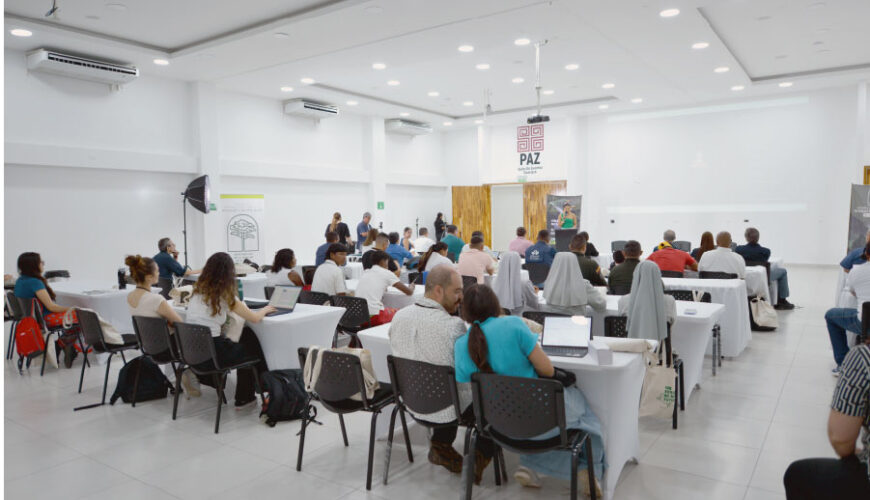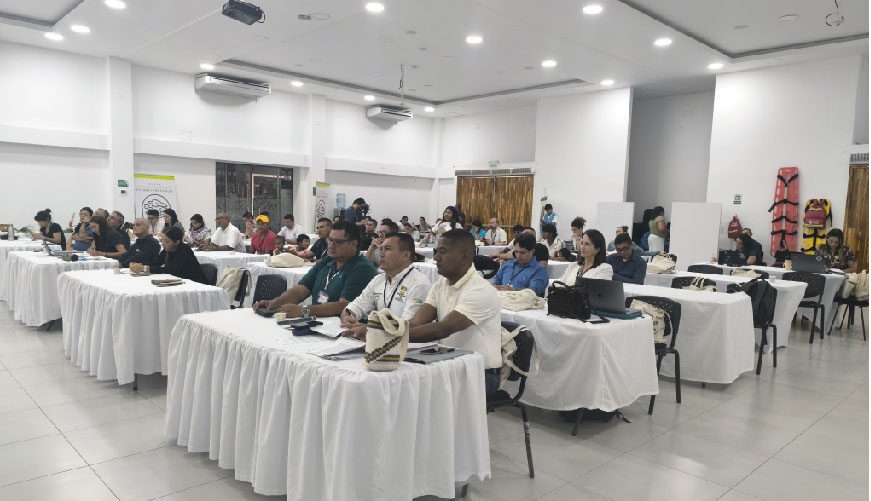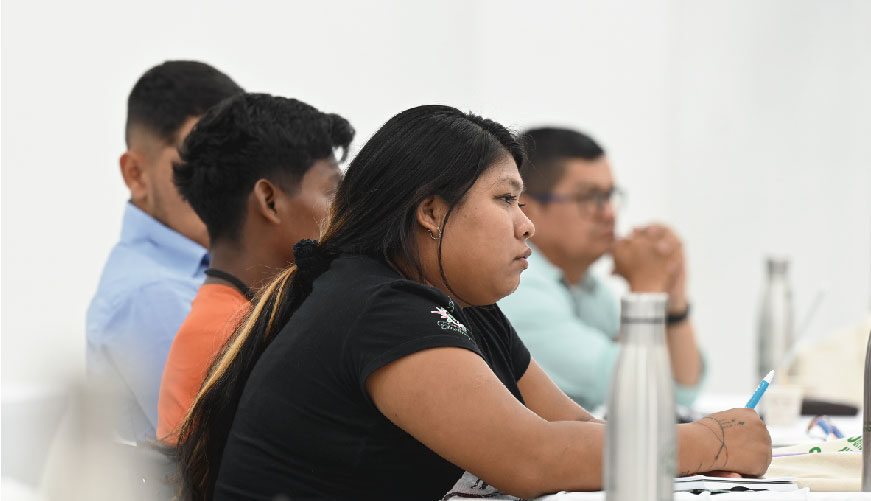
IRI Colombia’s Scientific Immersion Day brought together scientists, local authorities, and experts to analyze the critical challenges facing Amazonian conservation. Climate change, biodiversity loss, deforestation, and territorial governance were the focus of a dialogue that highlighted the urgent need to transform production models and the real value of ecosystem services.
The Amazon biome is unique on the planet. Its geological formation over thousands of years has given it unparalleled biological, ecological, and water resources. It is home to diverse ecosystems and societies that have inhabited it for millennia, also giving it great cultural value.
Its conservation, vital for regulating the global climate system and the well-being of humanity, involves major ecological, social, and governance challenges. The challenges for protecting the biome were precisely one of the main themes of the IRI Colombia Scientific Immersion Day, which was discussed by scientific experts and the highest authorities of the municipality and the department.
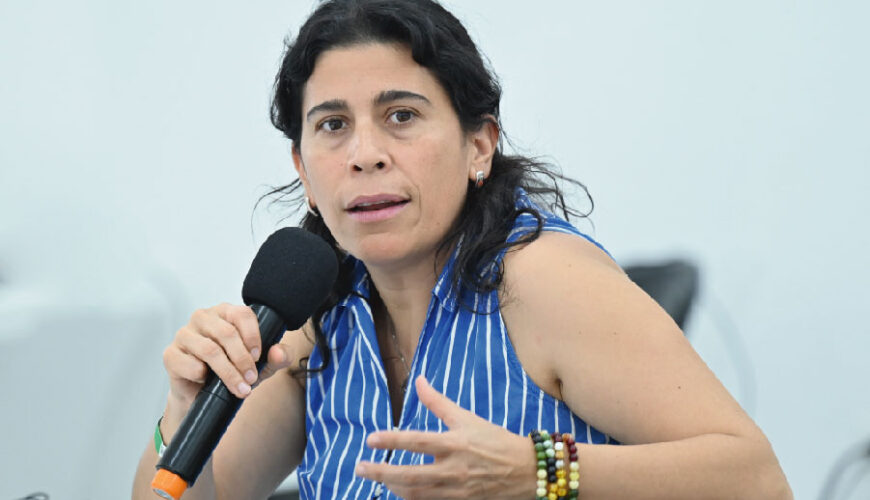
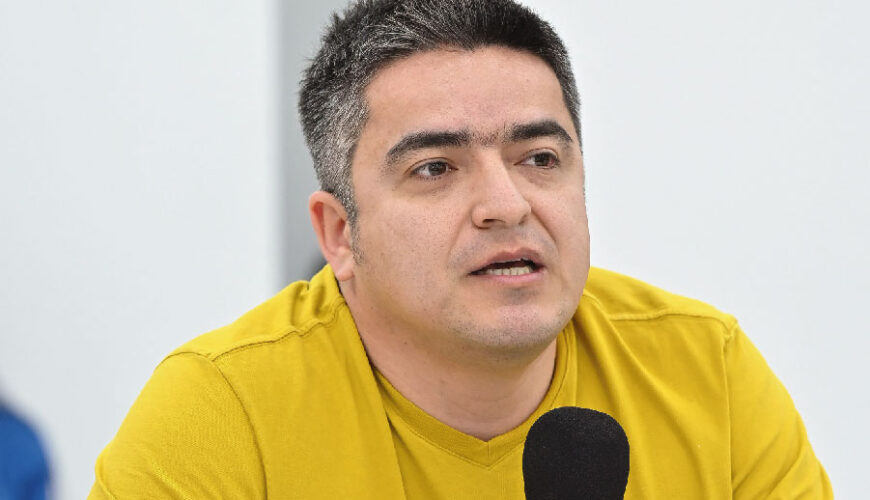
Over the next few centuries, climate change, pollution, and biodiversity loss will put great pressure on the Amazon, explained biologist Carlos Alberto Rivera during the conference “A critical agenda: priorities for protecting the Amazon biome.”
According to the scientist, the biological diversity of the biome is the result of evolutionary processes that took millions of years and cannot be accelerated; this is why biodiversity loss is concerning and should be a central topic in the conversation about protecting this important region.
Both deforestation and forest fragmentation change biodiversity and cause long-term impacts,” warned the professor from the Biology Department at Javeriana University, who also pointed to pollutants, major climate variations that have altered rainfall cycles, forest fires, and the need to find strategies that integrate conservation with human well-being as the main issues that must be taken into account in order to successfully advance actions for the conservation of the Amazon.
The revaluation of the Amazon rainforest
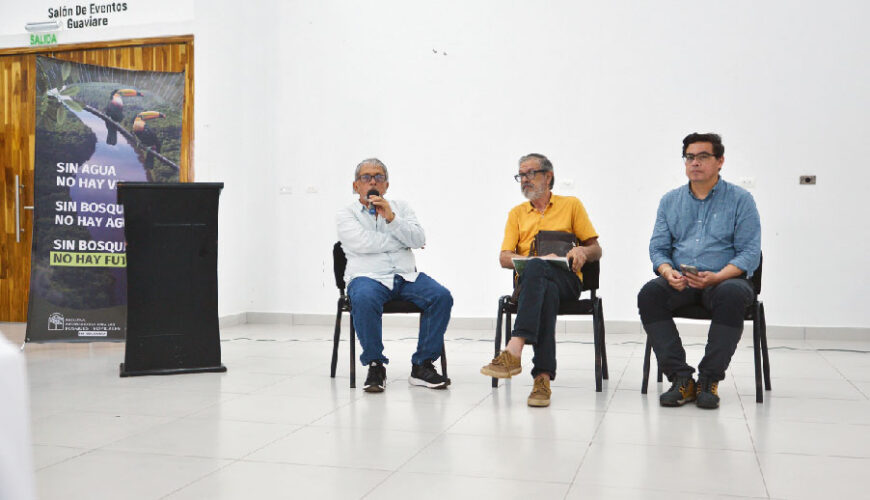
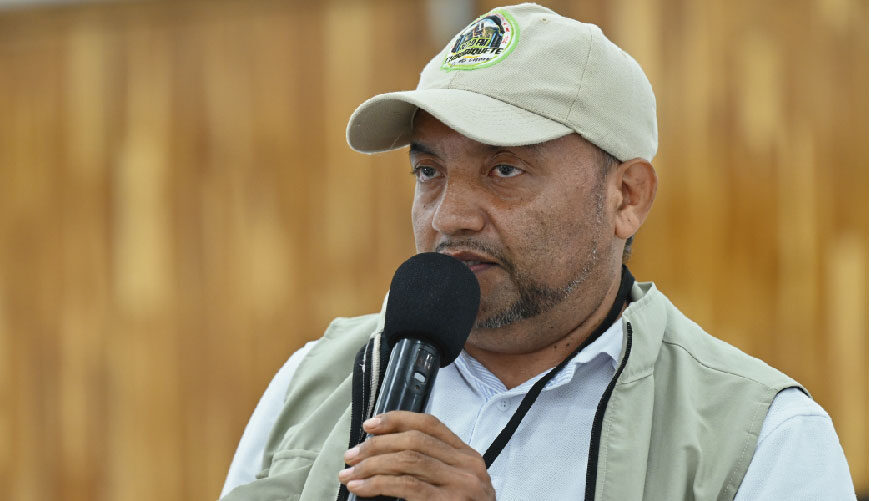
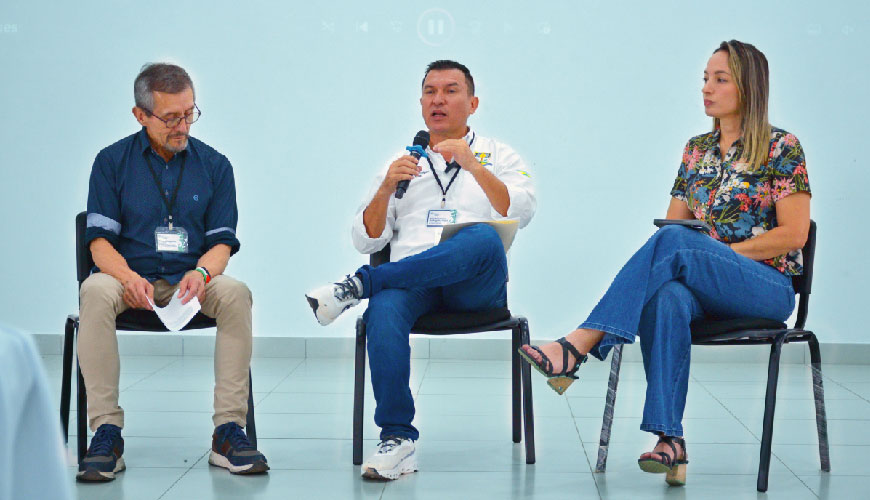
The discussion “The point of no return: analysis of the Amazon crisis,” moderated by the academic, brought together Bernardo Giraldo, forestry engineer and researcher at the Sinchi Amazonian Institute for Scientific Research, and Julio Roberto del Cairo, coordinator of the Corporation for Agricultural and Environmental Research and Development (Cindap), who discussed the main drivers of deforestation and the political, economic, and social governance obstacles to protecting the Amazon. Agricultural and Environmental Development, Cindap, who discussed the main drivers of deforestation and the political, economic, and social governance obstacles to protecting the Amazon.
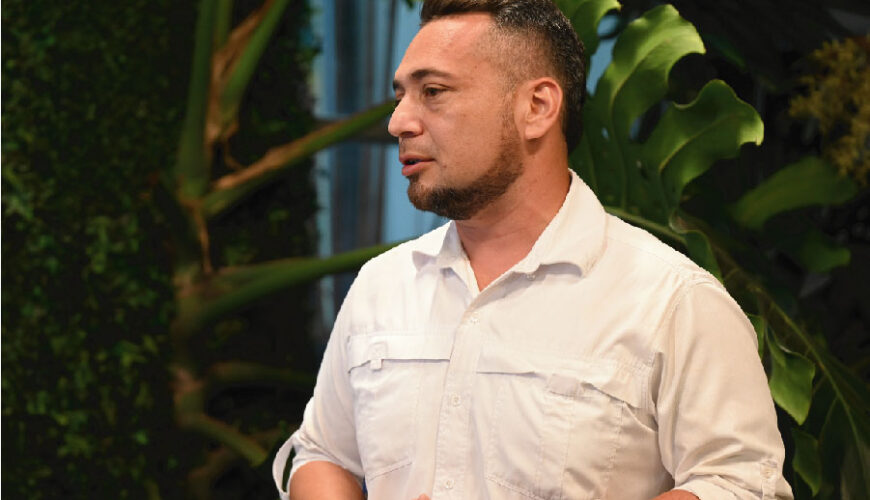
Giraldo insisted that forest use does not have to be synonymous with destructive extraction. The Amazon can generate income if its management is planned, he stressed, combining timber and non-timber forest products, agroforestry systems, and technologies that reduce losses and environmental impact.
“Up to 40% of a tree is wasted due to a lack of technological innovation, after decades of natural growth,” explained the researcher from the Sinchi Institute.
But even these alternatives for territorial sustainability encounter limitations if governance conditions are not in place. For the CINDAP coordinator, one of the biggest obstacles to conserving the Amazon is the lack of coordination between stakeholders: public institutions, international cooperation, the private sector, and communities.
The discussion highlighted structural challenges: while competitiveness models tend to place Guaviare at the bottom of the country’s rankings, when environmental variables are incorporated, the department emerges as one of the richest in natural resources. The challenge, the panelists agreed, is how to value that wealth and how to translate ecosystem services—water, climate regulation, and biodiversity—into real conditions of dignified life for those who inhabit the forest.
A view from the territory
The voices of local authorities were key to understanding the perspective of regional governments and their planning in the face of what some called a possible “recovery” of the department.
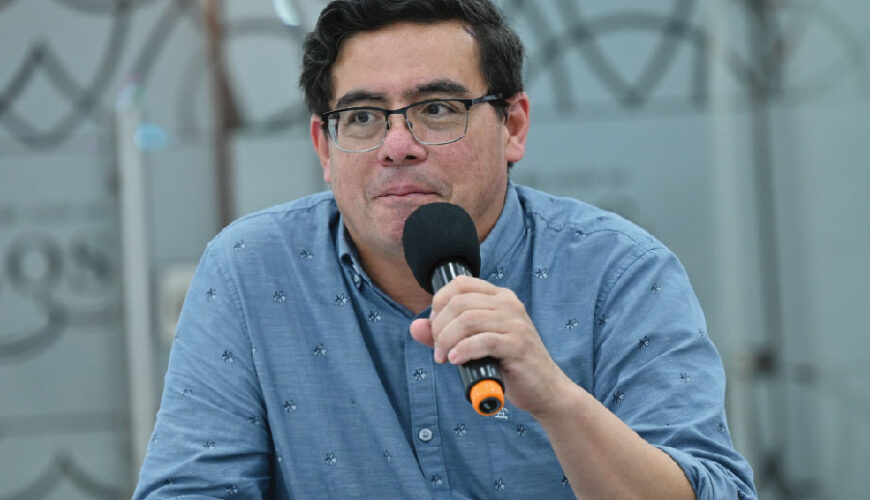
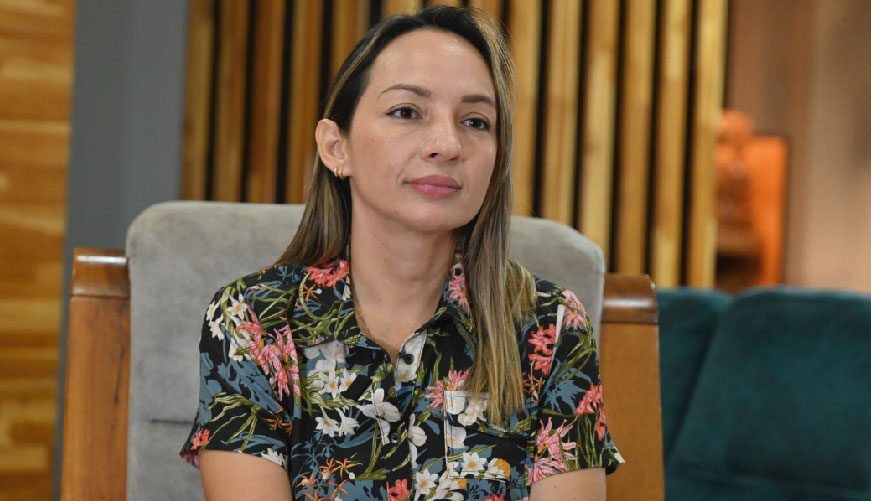
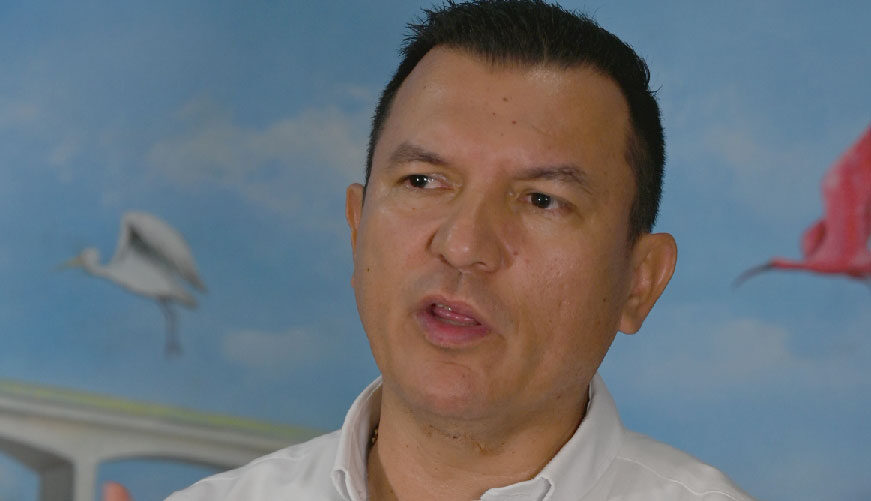
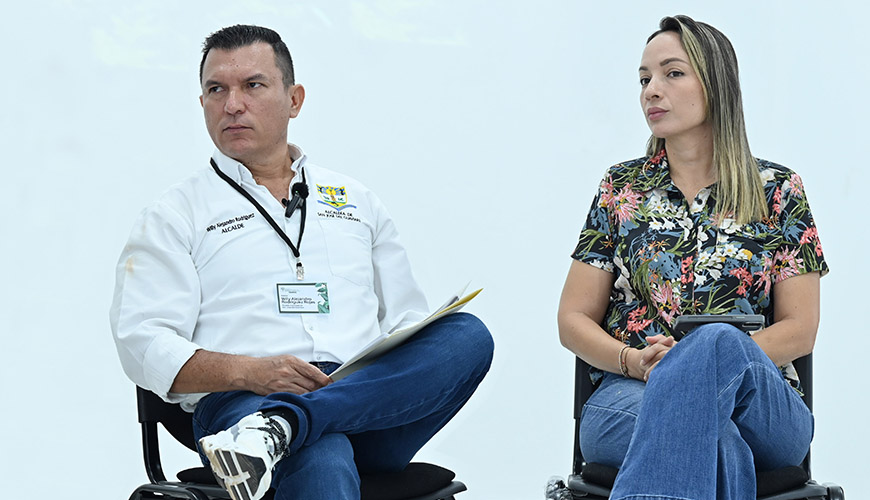
In the panel discussion “Governance of the Amazon: challenges and opportunities from the territory,” the mayor of San José del Guaviare, Willy Alejandro Rodríguez Rojas, and the acting governor of Guaviare, Kelly Castañeda, addressed the main challenges for governance that prioritizes conservation of the Amazon.
“Guaviare is an ecological hinge between the Amazon, the Orinoquía, and the Andes: a corridor of humidity, water, and biodiversity on which regions far beyond its administrative boundaries depend,” said the acting governor of Guaviare and departmental secretary of Agriculture and Environment.
However, Castañeda insisted that territory cannot be understood solely from a geographical perspective. It must be understood as a space where social, economic, and political relationships are intertwined, traversed by conflict.
Rodríguez, for his part, brought up an issue that is often left out of environmental debates: without guarantees for a dignified life—and without minimum conditions of security and effective state presence—talking about conservation and bioeconomy becomes much more difficult, “because the territory is always administered in a state of ’emergency,'” he said.
According to the municipal leader, it is not a question of rejecting sustainable alternatives, but rather of recognizing that in many places conflict redefines mobility, institutional access, markets, and even the very possibility of implementing productive projects that are compatible with the rainforest.
The final message of these dialogues is clear and urgent: the point of no return is fast approaching if production models, governance decisions, and Colombia’s understanding of the value of the Amazon are not transformed. Protecting the forest means confronting conflict, reorganizing the rural economy, investing in knowledge, and recognizing that the country’s water and climate stability is largely at stake in territories such as Guaviare.